Baltic communal singing may no longer bring everyone together, study finds
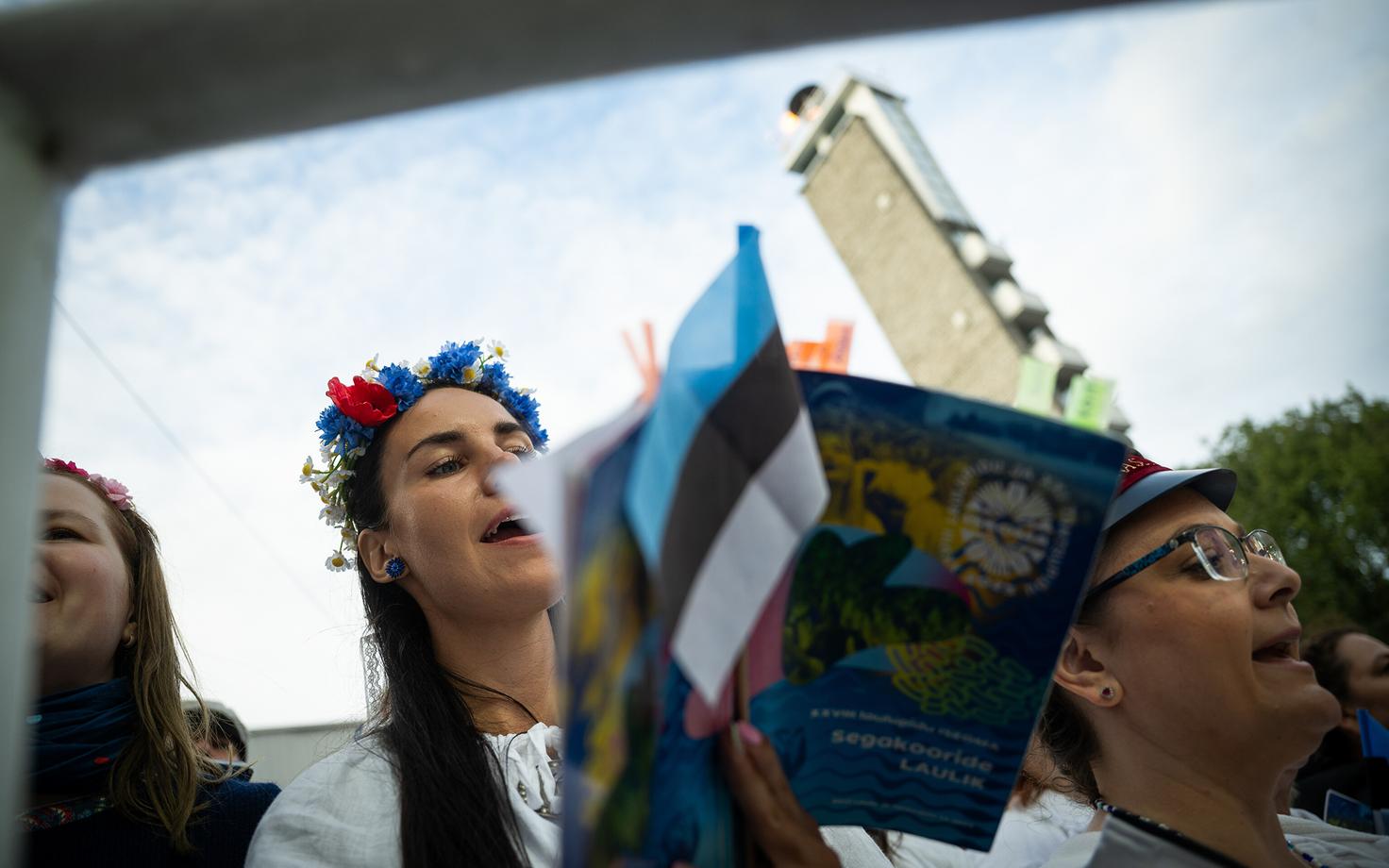
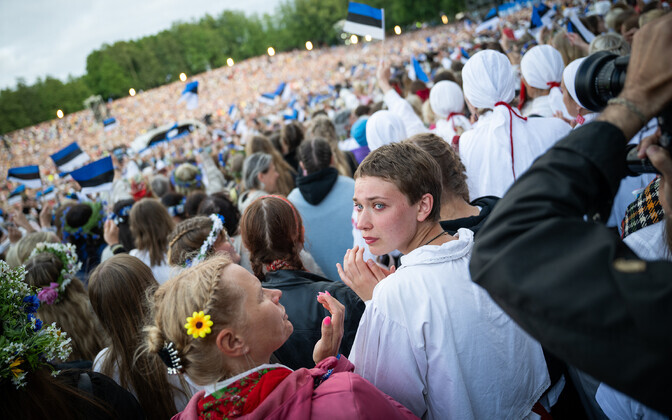
Communal singing across the Baltics may not be as inclusive today as its reputation suggests, with a new study finding some groups are increasingly left out of the experience.
The Integration Foundation presented the findings Wednesday from "Crises Established Singing: investigating the inherent potential of collective singing in times of social crises in the Scandinavian and Baltic regions" (CRIES), a research project involving cultural scholars from the Baltic states and Denmark.
The study examined how communal singing, long seen as a force for bringing people together, can also exclude certain groups.
Researchers found that growing numbers of people in Estonia, Latvia and Lithuania do not identify with the idea of being a "singing people."
Those who do not speak the local language also take part in communal singing less often, as do unemployed and older people, who may lack the means or money to attend public gatherings and large events.

In Estonia, choral singing is even losing ground in larger cities, where residents have more leisure activities to choose from.
Chances for 'not good' singers
"We're used to thinking that singing together includes everyone and that everyone in Estonia, Latvia and Lithuania sings," said Rūta Muktupāvela, a lead researcher and professor at the Latvian Academy of Culture who led the study.
Each country, however, is also home to people who don't belong to its primary ethnic group and are less likely to take part in communal singing or song and dance festivals, she added.
Muktupāvela likewise noted that some people would like to take part but feel like they aren't good enough singers.
She said opportunities should be created for those who may not consider themselves talented enough but would still like to join in communal singing.
--
Editor: Karmen Rebane, Aili Vahtla


