Justice chancellor: Income Tax Act could lead to unfair treatment of heirs
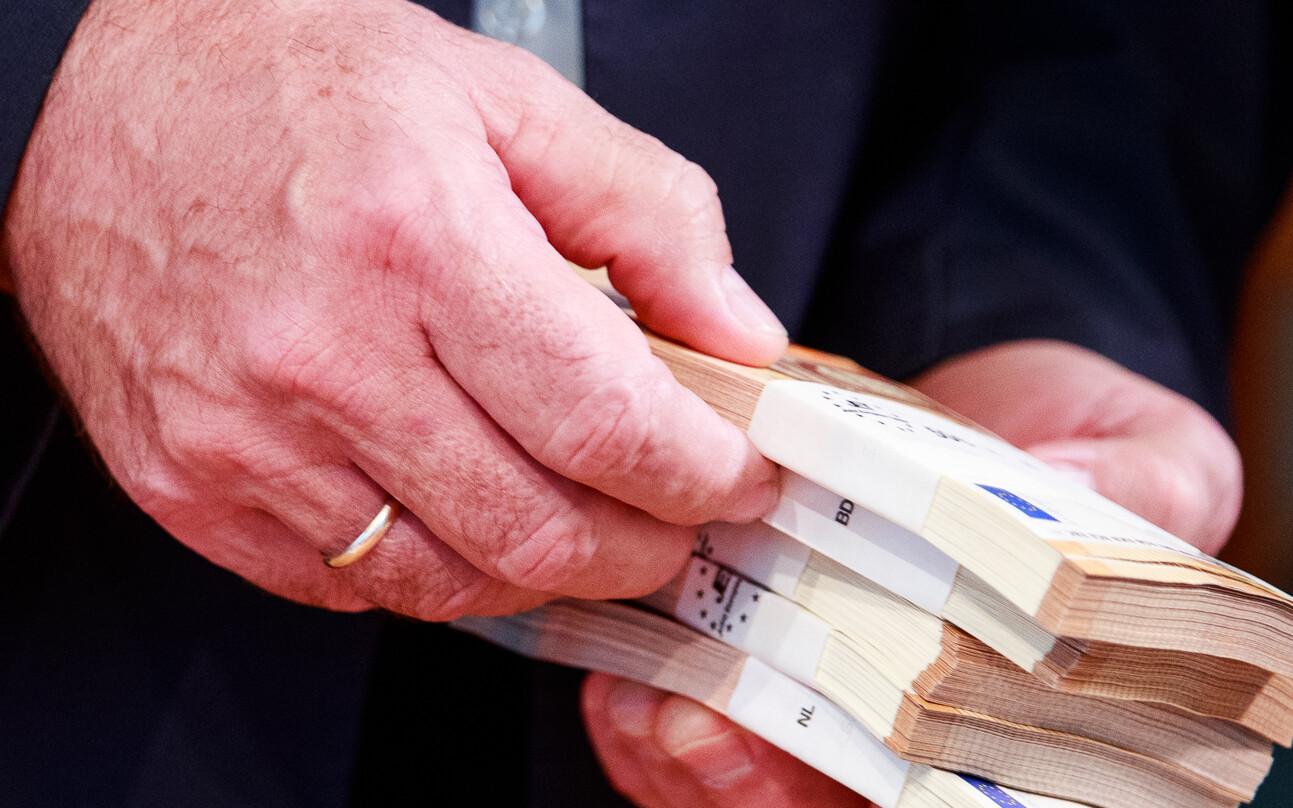
The Office of the Chancellor of Justice has asked the Ministry of Finance to explain why heirs may face income tax on the sale of inherited property even when the proceeds are used to repay the deceased's debts.
A person who purchased a property jointly with their spouse, with each owning half as separate property, contacted the chancellor of justice after their spouse died and they inherited the deceased spouse's share together with their minor child.
An inventory of the estate revealed that its liabilities exceeded the value of its assets by approximately €57,000. The person who contacted the chancellor of justice had also pledged their separately owned home, where they live with their child, as additional collateral for the loan. However, when they sought to sell the inherited property quickly to repay the loan, they discovered that the deceased spouse's acquisition cost of their share of the property could not be transferred to the heirs.
The Estonian Tax and Customs Board (MTA) also failed to take into account that the heir had already been making loan payments while their spouse was still alive but in a coma. According to an illustrative calculation by the MTA, selling the property would leave the heir liable for approximately €15,000 in income tax.
"The petitioner believes that they are required to pay income tax in this situation even though using the proceeds from the sale to meet the inherited loan obligations would leave them with no financial gain," explained Evelin Lopman, an adviser to the chancellor of justice and head of the business environment department.
According to the Office of the Chancellor of Justice, assessing the situation requires determining whether the exclusion of the deceased's property acquisition cost is consistent with the constitutional right to property, the principle of proportionality in taxation and the requirement of equal treatment.
To resolve the matter, the office is seeking an explanation from the Ministry of Finance as to whether the objective could be achieved in a way that places a smaller burden on the heir. It also wants to know what justifies the restriction in cases where an estate's liabilities exceed the value of its assets, the obligation to repay a loan taken out to purchase the property passes to the heir and the property is sold to meet the deceased's obligations.
"Would it be justified to establish a legal exception for such situations, based on the heir providing additional documentary evidence?" Lopman asked the Ministry of Finance.
"When assessing the proportionality of the restriction, do you consider it relevant to take into account situations where the heir's own home serves as collateral for the inherited obligation and failure to meet that obligation could result in the sale of the home?" Lopman added.
Lopman also highlighted the fact that when a surviving spouse sells securities that were part of the spouses' joint marital property, they can deduct 100 percent of the acquisition cost, as provided for in the tax authority's guidelines. She questioned why the sale of inherited real estate is treated differently.
Lopman is seeking clarification from the Ministry of Finance on whether it considers changes to the regulations necessary. The ministry has just over a month to respond.
--
Editor: Karin Koppel, Marcus Turovski


