Feeding ducks to blame for most pollution in Tartu's Anne Canal

Feeding ducks and other birds is contributing to the poor water quality in Tartu's Anne Canal, with bird droppings accounting for most of the pollution, a new study found.
Researchers from Estonia and Ireland spent two years monitoring the canal's water quality. Their analysis found that most of the contamination came from birds, particularly ducks and other birds fed regularly by people along the shore.
Peeter Laas, a research fellow in molecular ecology at Tallinn University of Technology (TalTech) and the University of Tartu (TÜ), said the findings pointed to several sources of pollution, but the strongest link was between humans and ducks.
"In other words, there is a large group of bacteria that both ducks and people can share," he explained, noting that this means human feeding can affect the birds' microbiomes.
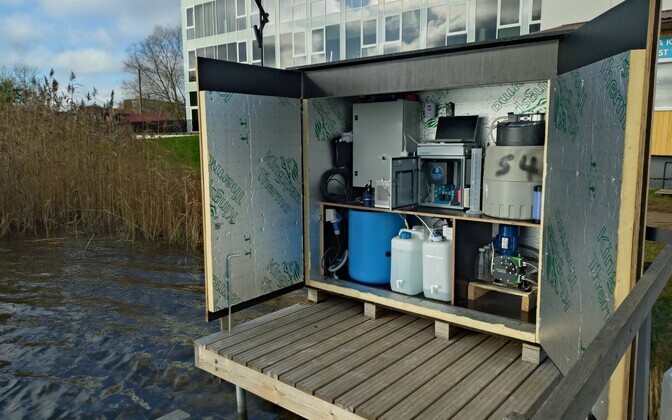
As part of the FinEst Center for Smart Cities' UrbanSplash project, researchers monitored water quality in real time using an automated analyzer and 12 sensors. They also tested duck and dog droppings collected along the Anne Canal beach, identifying the DNA and bacteria present.
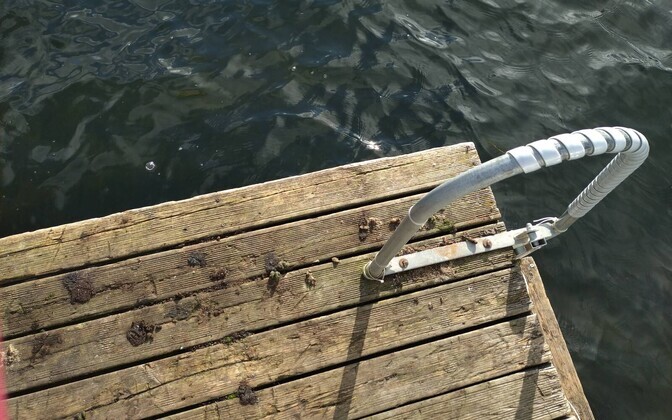
The highest levels of contamination were found near the beach, Laas said. "We also examined the sand and sediment, which showed that microbes persist there in very high numbers," he added.
Ducks stay at the canal through the winter because people regularly feed them. TÜ bird ecologist Marko Mägi pointed out that the problem may be caused by just a few well-meaning people but the effects have a much greater impact.
"They may feel they need to do a lot of good for the birds, but ultimately it can become a problem for quite a lot of people," he said.
Don't feed the ducks
Researchers also found smaller amounts of microbes associated with dogs and humans.
They recommend installing shower facilities for beachgoers at the canal, as well as regularly covering ice holes used by winter swimmers to keep ducks out.
Mägi urged people not to feed wild birds in urban areas, especially in large quantities. He estimated that duck droppings can accumulate by the tons over a single winter, further contributing to declining water quality in the canal.
"We're not talking about kilograms or even hundreds of kilograms here, but tons and dozens of tons," he stressed. "It's no wonder the water quality suffers as a result."
The Tartu city government plans to review the popular canal's maintenance plan in light of the findings, as well as install signs warning visitors not to feed the birds.
--
Editor: Aili Vahtla


