Supermarkets seeing organic egg shortage as producers replace flocks
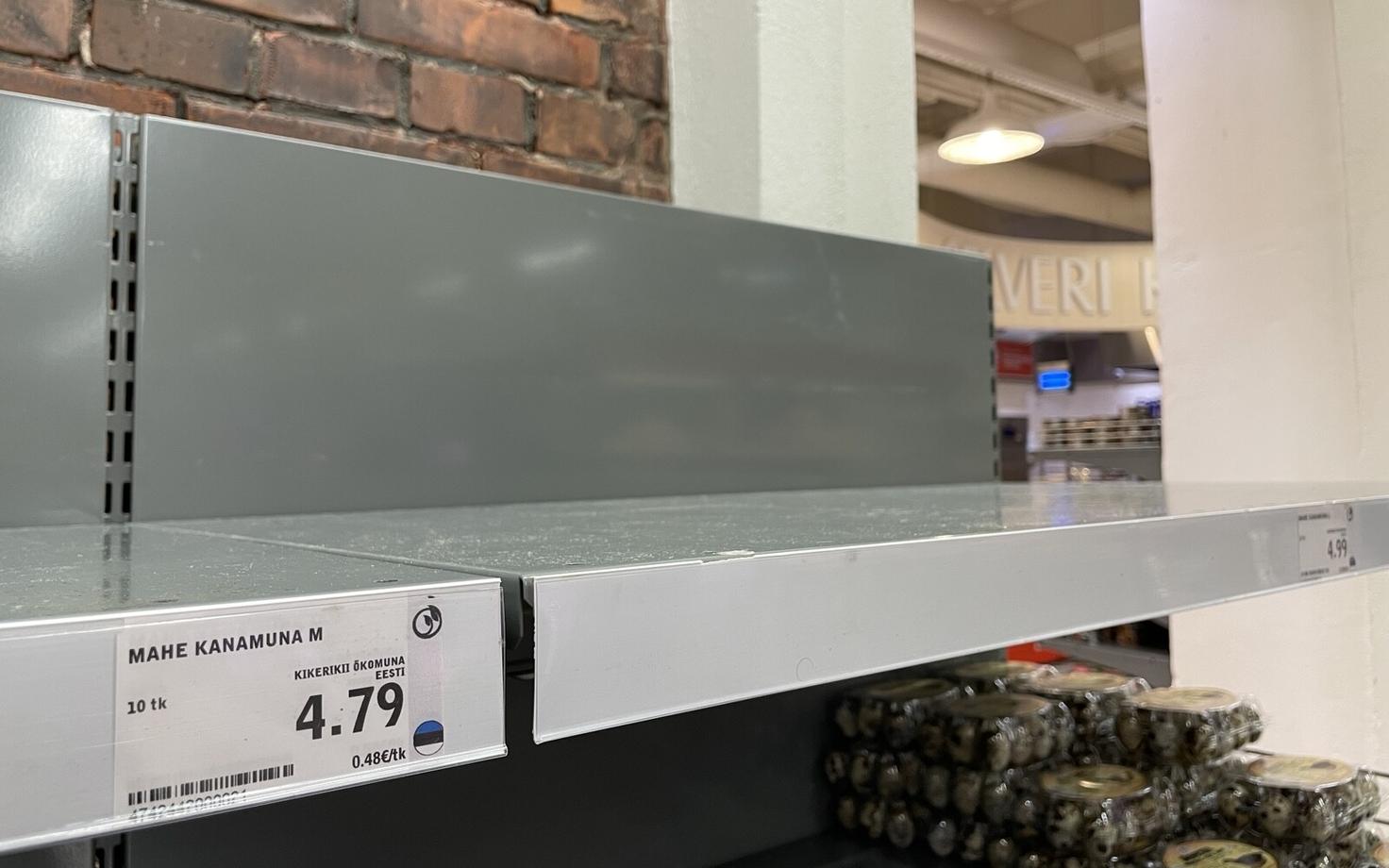
Customers hoping to buy organic eggs in Estonia's supermarkets may have been left empty-handed in recent weeks due to supply chain issues, as producers are currently replacing their flocks.
The shortages have affected both major retail chains and smaller stores. Retailers recommend visiting first thing in the morning, as organic eggs can sell out by lunchtime.
Selver communications manager Mariann Järvela told ERR that Estonian producers of organic and free-range eggs are currently in the process of replacing their flocks, resulting in temporary supply difficulties.
"According to suppliers, the new hens have already started laying eggs, and normal availability should be restored in December," Järvela said.
Lauri Bobrovski, a member of the management board of Äntu Mõis OÜ, which produces Kikerikii eggs, said flock replacement has resulted in an 80 percent shortfall in production.
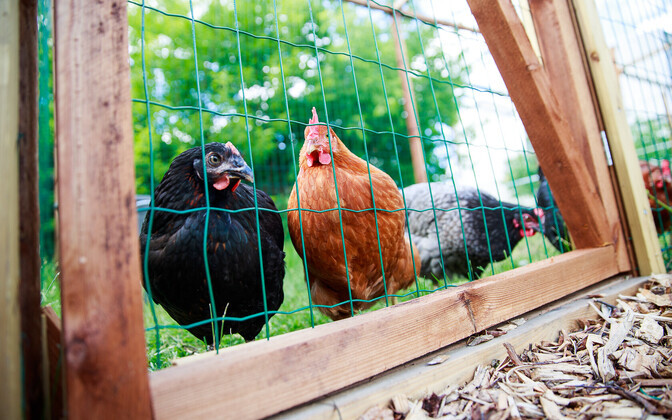
"The reason is something that happens every year. We are too small. We do not have enough eggs, especially when flocks are being replaced. We have five flocks, and this year the interval between the replacement of four of them was a little too short. The schedule for the arrival of chicks was tighter than we had planned, meaning the new flocks haven't started laying eggs by the time the other flocks have to be sold off," Bobrovski said.
Production always declines during flock replacement, but this has usually happened in the summer, whereas this year it fell at the beginning of fall.
Bobrovski suspects this also makes the shortage more noticeable. Customers are used to finding eggs on store shelves when they return to the city from the countryside in the fall, school starts and life returns to its usual rhythm.
He added that because Äntu Mõis accounts for approximately 50 percent of the domestic organic egg market, any shortfall in its production is immediately felt across the market.
"We are not happy about this situation ourselves either. In about another month, things will start to improve," Bobrovski said.
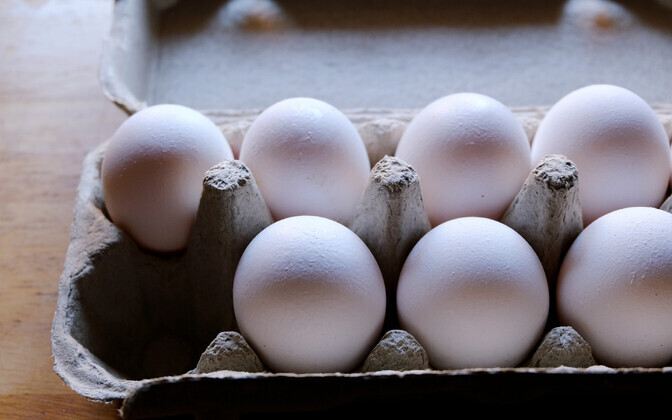
Äntu Mõis plans to build a new chicken barn in the near future, which is expected to significantly increase the company's production capacity. Bobrovski said this will hopefully stop the supply problems.
But even when organic eggs return to the shelves, consumers' problems may not be over. Prices are expected to rise in November.
Bobrovski explained this is not related to the temporary egg shortage but rather to developments in the broader economy, as input costs are rising.
"Obviously, egg production is not a business where you get rich or make enormous profits. To survive, there is no alternative but to raise prices," the Äntu Mõis management board member noted.
Rimi Estonia purchasing manager Marta Palm said the company's inventory and sales of free-range eggs are well balanced, although a promotional campaign for free-range eggs has just ended.
"Due to demand during the promotion, shelves in some stores may indeed have been emptier at times, depending on how quickly the stores managed to restock them," Palm said.
--
Follow ERR News on Facebook and Twitter and never miss an update!
Editor: Helen Wright