Retailers say electronic price tags will not lead to sudden price rises
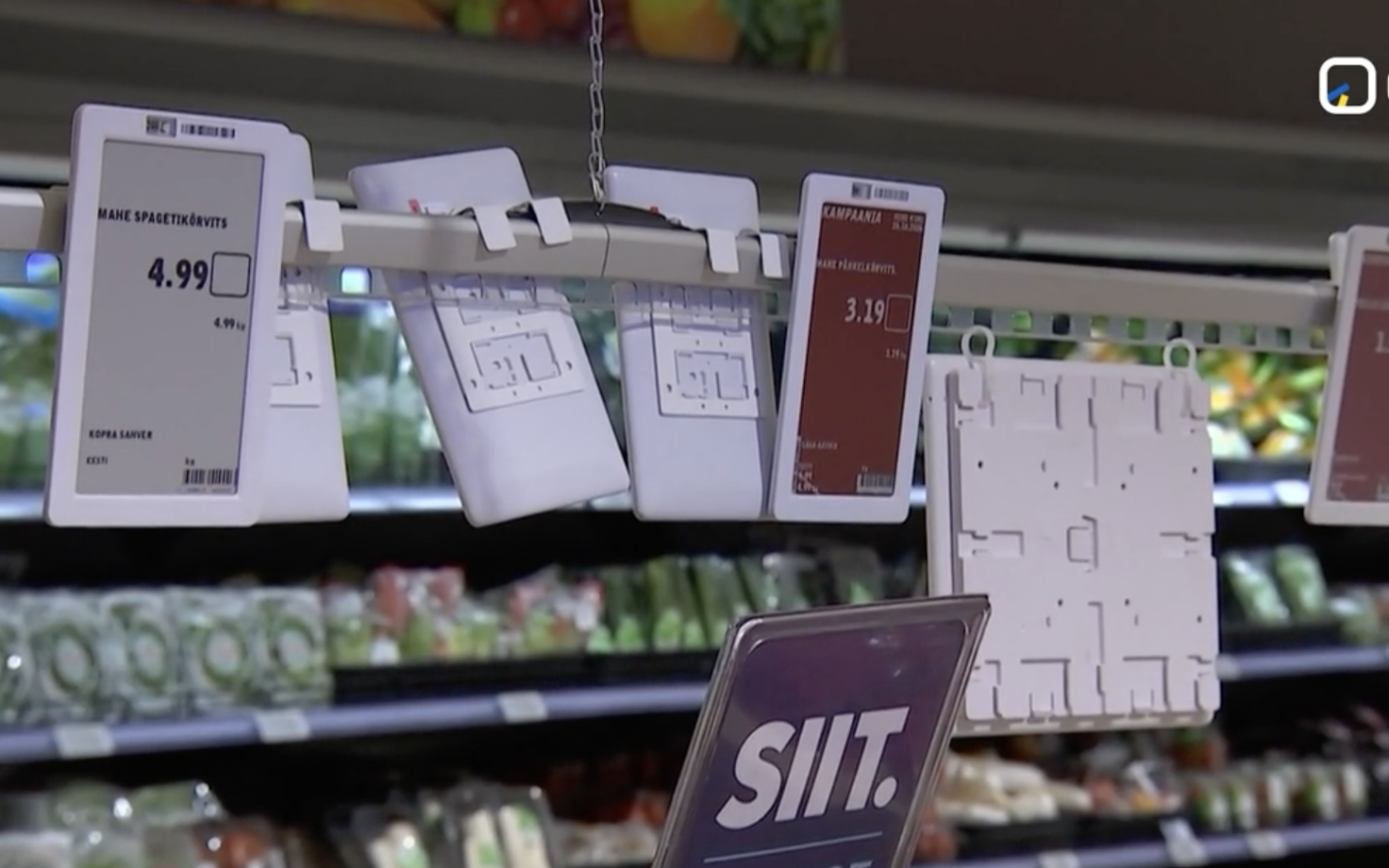
Supermarket chains in Estonia have said the increased use of electronic price tags, which reduce the need for paper, will not be used to suddenly increase prices during peak demand, despite customer concerns.
Observant customers have noticed electronic price tags in various grocery stores for some time now. Selver, for example, has introduced electronic tags for fruit, vegetables and bakery products.
"This certainly makes work more efficient and convenient, and you do not have to print and replace tags. At the same time, it has to be considered very carefully, because the investment is significant," said Selver communications manager Mariann Järvela.
Completely replacing paper tickets with electronic screen tags would cost millions of euros for a major retail chain.
Rimi supermarket chain said its smaller stores have made the switch already. The company's head of sales and business operations, Jelena Litvinovitš, said the investment has not paid off.
"Unfortunately, this technology really is still very, very expensive. To be honest, we are waiting to see whether it might become cheaper, but not yet. The risk is that if we do not find a solution in the coming years, the batteries will run out and then we will have to consider what to do with these price tags," she said.
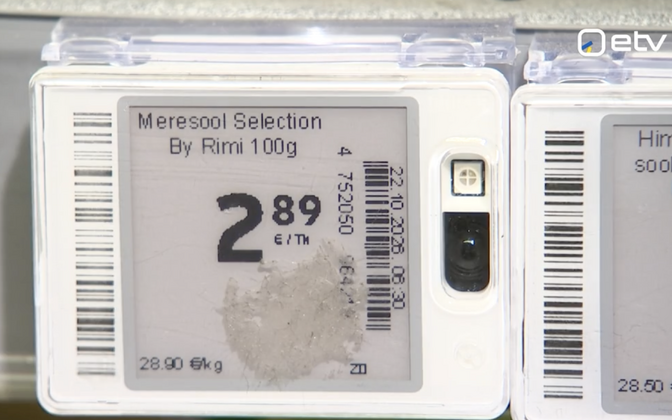
Electronic tags can be changed in seconds, and customers are concerned prices will rise suddenly during peak demand.
For example, it is theoretically possible to take a packet of coffee from the shelf at one price, and then find it has risen at the checkout. Stores promise that this will not occur.
"I can confirm that there is no such risk at Rimi. It would certainly raise a lot of questions and negative emotions among customers. One of the reasons is that we have not found a good solution for how to change prices during the day and how to explain this to customers," Litvinovitš said.
"Yes, in theory it is possible and it would certainly bring greater profits. We know that it is used elsewhere in the world, but we ourselves have not found a good explanation or ways to do it," she added.
Grocery stores are not the only ones using automated solutions. For example, electronics retailer Euronics introduced electronic price tags in 2023, citing savings on labor costs. The company paid half a million euros for the tags three years ago.
"In the more distant future, we will probably reach a point where there are no paper price tags, but that is probably still some way off. In the near future, there are many advantages, but there are still quite a few disadvantages as well," said Nele Peil, head of the Estonian Traders Association.
--
Follow ERR News on Facebook and Twitter and never m67iss an update!
Editor: Helen Wright, Marko Tooming


