Security service: Russia targeting around 10 Estonian defense companies
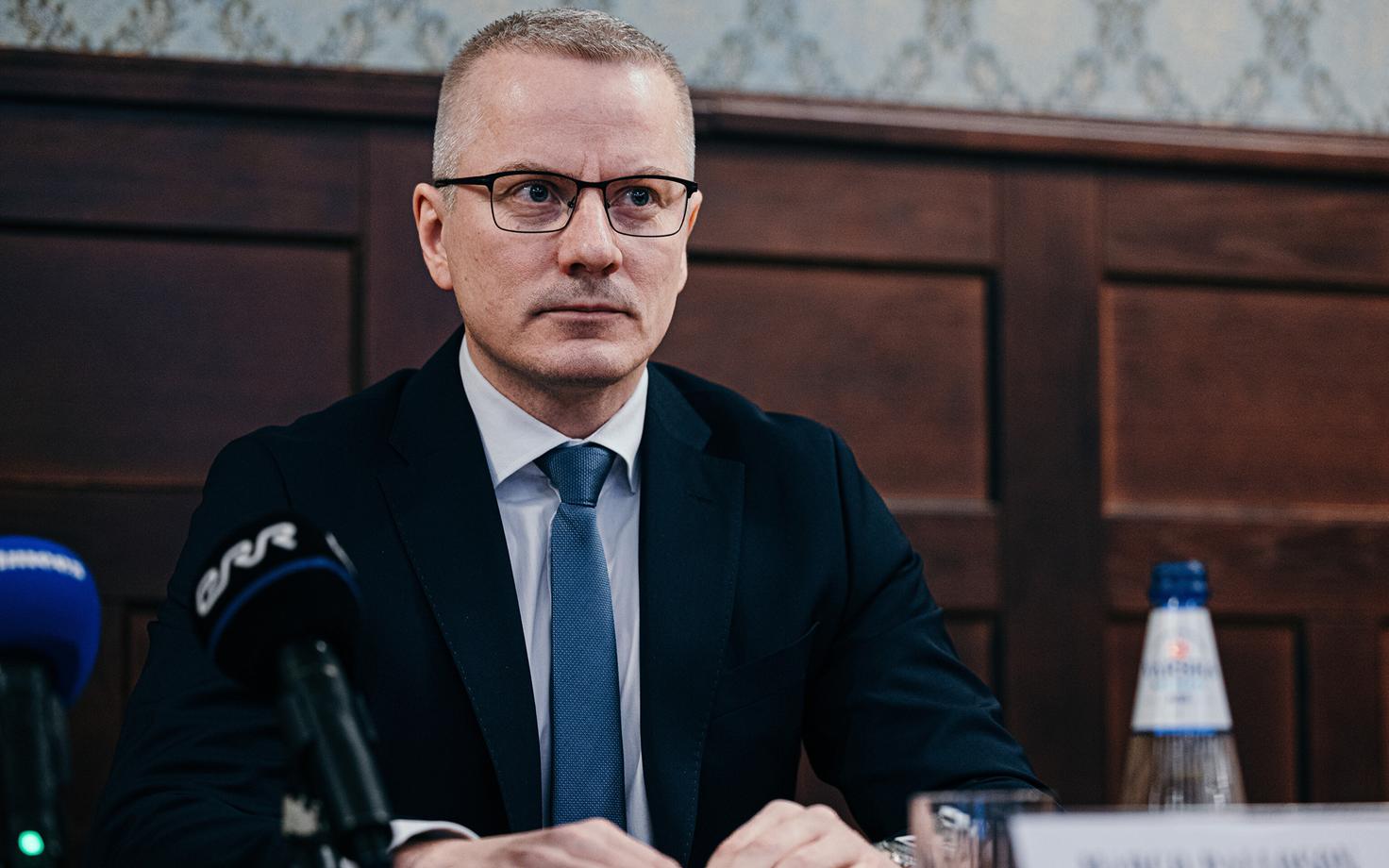
The Estonian Internal Security Service (ISS/KAPO) had advance intelligence about the recent attack on Threod Systems and is working closely with the defense industry to prevent further incidents, Director General Margo Palloson told ERR.
When, how much and what kind of information did you receive from Latvia about the potential attack?
We constantly exchange information about various threats with all European intelligence services, you could even say on a daily basis. And we certainly received a couple of pieces of the puzzle from Latvia this time as well, which we then had to put into the right context based on our own assessment.
So would it be fair to say that you were prepared for this attack, that you were expecting it and knew something like this was going to happen there?
We know that Russia is currently targeting around 10 defense industry companies in Estonia. We knew quite a bit about this in advance.
So a large proportion or at least some of these incidents never become public knowledge?
Again, we make every effort to anticipate and prevent these attacks. We work very closely with the entire defense industry sector, briefing and advising companies so that their own due diligence and security measures also help prevent attacks. In this particular case, Threod's own security measures were of a very high standard.
So it wasn't a KAPO agent driving around in that car, but rather a local security guard?
It was a local security guard.
What is happening in Latvia right now? There have been reports of various meeting places and warehouses being discovered. How much do you already know about what is going on there and how many similar locations in Estonia will you now be searching?
We are constantly working to identify individuals who have agreed to cooperate with Russian intelligence services. Over the years, we have identified more than 50 such individuals. At this point, we cannot say anything more.
We have previously discussed how the people Russia recruits come from very different backgrounds. Do you already have any information about the Latvian residents and citizens suspected of involvement, including who they are and the circumstances under which they came to cooperate with the GRU?
We have some information on both, but we are not yet prepared to disclose it publicly. There is a great deal of information that still needs to be verified. But again, the typical recruitment pools are criminal networks, social media and socioeconomically vulnerable individuals, as well as people who visit the Russian Federation and can be pressured while in Russia and recruited to carry out such assignments.
Can you give us an idea of how much money we're talking about? How much are people willing to accept in exchange for risking a very long prison sentence?
There have been sabotage operations and orders to carry out physical attacks for which the perpetrators were paid just a few hundred euros. For some people, even that seems like quick and easy money.
So far, the attacks have targeted property. Is there reason to fear or suspect that, at some point, people will once again become targets?
Even when property is targeted, there is always the risk that Russia will act recklessly in carrying out such attacks. There have been numerous incidents in Europe that could potentially have resulted in very significant loss of life and human suffering. That risk is always present.
Prime Minister Kristen Michal has proposed preparing to close the land border crossings between Estonia and Russia. What is your assessment? Would this be beneficial and what implications would it have for your work?
It would certainly help mitigate security risks for the Republic of Estonia. It would no longer be possible to travel between Estonia and Russia in the same way and...
That would leave only Latvia.
That would leave only Latvia, and I hope Latvia will also take sufficient measures.
--
Editor: Marcus Turovski, Marko Tooming


