Minister: Closing the border with Russia directly affects few people
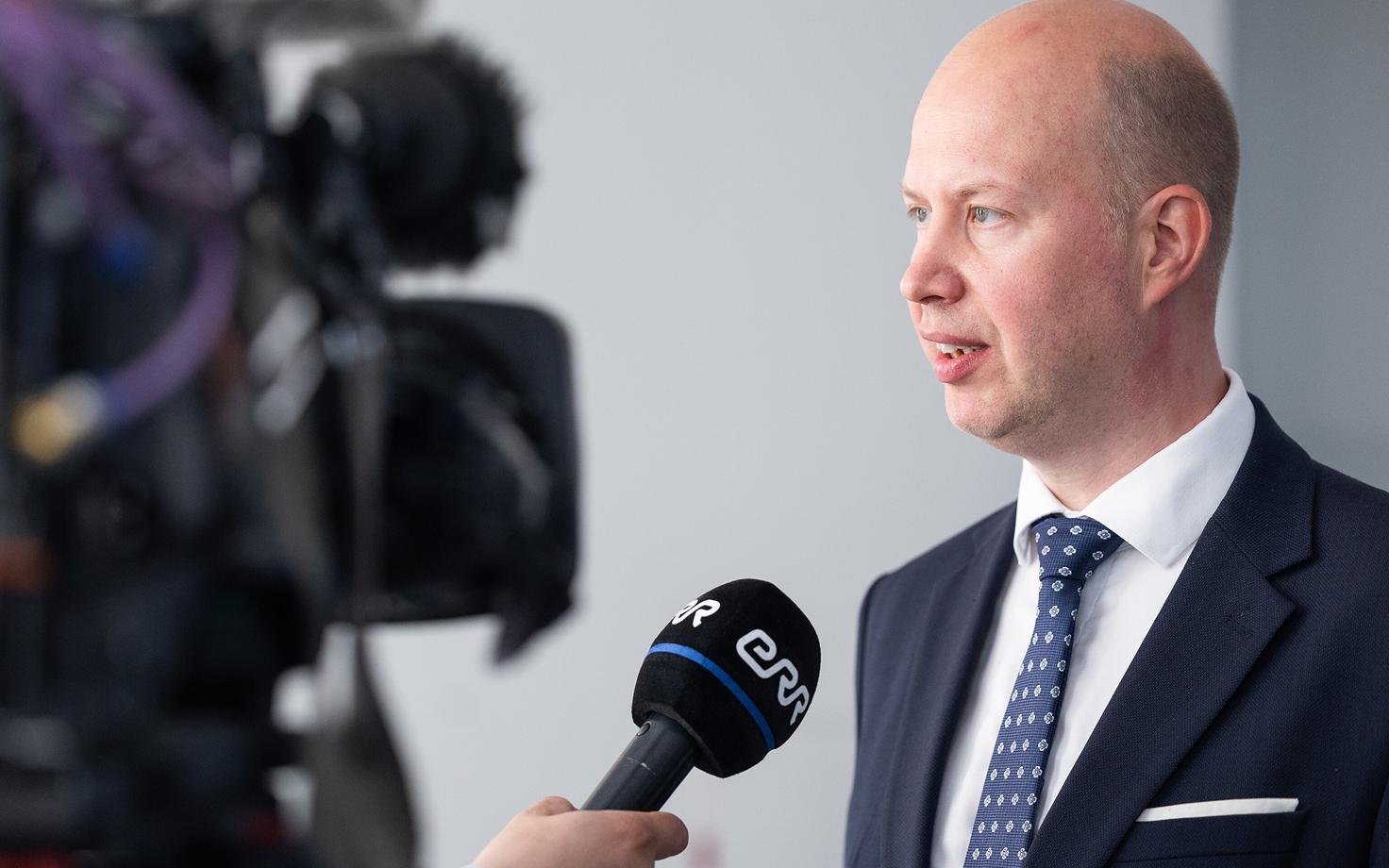
Closing the border with Russia will affect only a small number of people and a handful of businesses, Minister of Interior Igor Taro (Eesti 200) said on Monday, as preparations are underway to shutter land crossing points at the start of December. The railway crossing in Narva is expected to stay open.
Estonian officials have said land border crossings with Russia will be closed on December 1, following attempted arson attacks on defense industry companies, the most recent of which took place on Saturday. This means three crossing points in northeast and southeast Estonia will be closed to vehicles and pedestrian traffic.
Taro said the border with Russia could be closed at a moment's notice, but a longer-term closure would require a government decision. As Prime Minister Kristen Michal (Reform) is currently outside Estonia, the discussion will take place at the end of the week.
The minister highlighted the tightening of restrictions at the border in recent years, and said the possibility of closure had been raised before.
"Now that moment has arrived, and it cannot come as a complete surprise to anyone that something like this is happening. These incidents are serious enough – we cannot simply talk about provocations or hybrid attacks, but actual physical acts of sabotage," Taro said.

He also said regulations have changed completely during his time as interior minister.
"We have reduced opening hours and taken checks on everyone crossing the border more seriously to monitor compliance with the sanctions regime. In fact, the previous measures alone have already reduced this traffic by more than 90 percent compared with the period before the war," Taro outlined.
The minister acknowledged that there would be a significant impact on businesses that make money by transporting people to border crossing points or selling places in the queue in Narva in northeastern Estonia.
"The same applies to people who transported basic consumer goods across the border in their suitcases every day. The queues in Narva arose precisely because there were people transporting goods and people arriving from Finland. This simply will not happen in the future, and there will be some impact on those people," Taro said.
He added that border traffic has not been at the same levels as at the beginning of the full-scale war: "These are individual businesses and a limited number of people who will be directly affected."
The interior minister advised people who had made longer-term plans to visit Russia, such as purchasing tickets, to change their plans.

"It will no longer be possible to travel directly, buses will not operate there, and crossing on foot will no longer be possible either. We have given this warning in advance, and I think two weeks should be enough time to return home or decide which side you want to be on – this side or that side – and deal with all the consequences," Taro said.
The Narva railway border crossing point will initially remain open on the Estonian side. Passenger trains do not operate on this route.
"Strategically important raw materials for both Estonia and Europe enter through there. We will allow these imports to continue for some time until companies find alternatives and other solutions. But we cannot guarantee in any way that Russia itself will not take action in this regard. We simply will not close anything there on our side," Taro said.
Estonia has three open road border crossings with Russia in Narva, Luhamaa and Koidula, which admit pedestrians and freight goods. They operate for 12 hours a day from 7 a.m. to 7 p.m.
The crossing at Narva is particularly busy during summer and the New Year period, as it is one of the only land crossings with Russia still open to travelers in Europe after Moscow launched its full-scale invasion of Ukraine in 2022.
--
Follow ERR News on Facebook and Twitter and never miss an update!
Editor: Helen Wright, Valner Väino


