Estonia weighs color-coded Nutri-Score labels amid food industry concerns
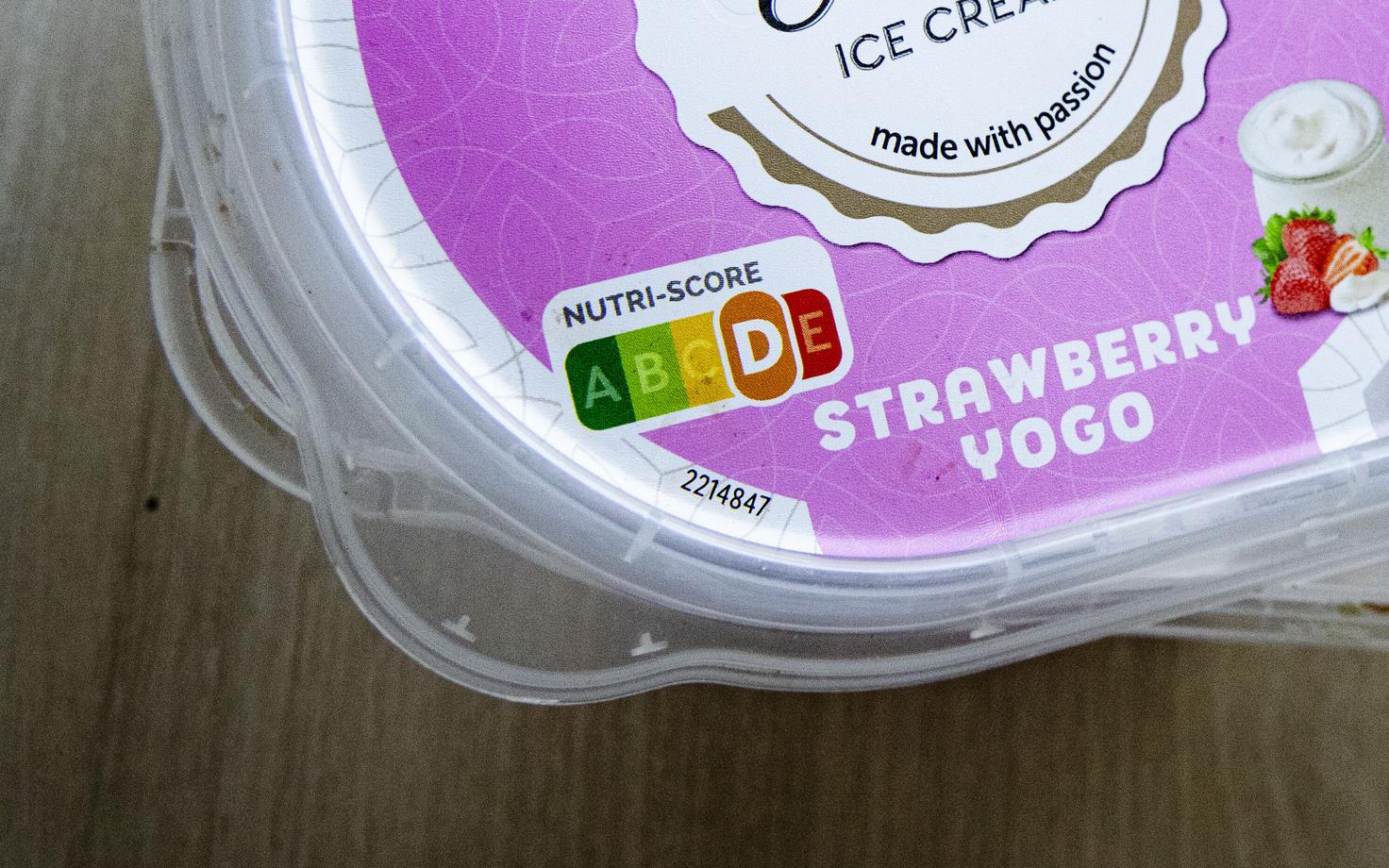
Estonia is moving closer to adopting voluntary Nutri-Score food labels, but producers question whether the simplified nutritional ratings really give consumers a fair picture.
Use of the French-developed Nutri-Score system is voluntary, but requires state approval in Estonia, where a bill has been submitted for feedback from businesses, interest groups and ministries.
Leibur, a major Estonian bakery product producer, supports a common, transparent nutrition rating system, even if some of its staple products, including its Kirde sai white bread, score only a yellow C.
"We're talking about around seven countries in Central Europe that are using it, so in certain product categories, the label is already very visible to us," said Leibur Baltics production director Anni Talts. Without it, she noted, Estonian producers could be at a disadvantage when competing with labeled imports.
Exports are another consideration for adopting the label. "If we want to enter the Central European market, where it's expected, that would allow us to sell our products there under our own brand too," Talts added.
Cheese worse than Coke Zero
Others are less convinced. High sugar, salt and saturated fat levels can lower products' ratings, but producers argue the system oversimplifies nutrition.
"It doesn't really take into account the need for a balanced diet," said Maido Solovjov, CEO of dairy producer Valio Eesti.
Solovjov pointed to their Forte line of Italian-style hard cheeses, which contain essential vitamins and minerals.
"Under this traffic-light or letter-scoring labeling system, they score significantly worse than Coca-Cola Zero," he said.
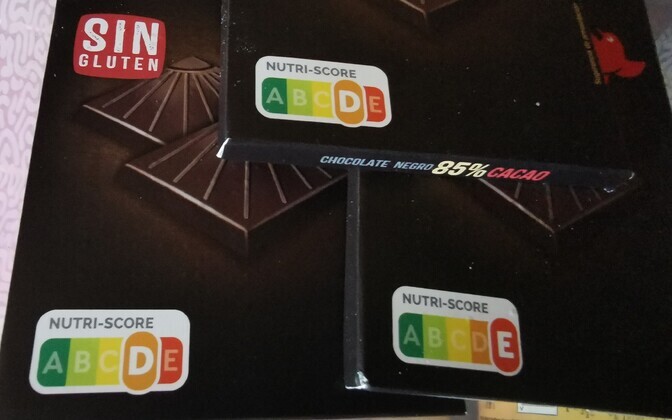
The CEO also questioned how the system's scoring algorithm compares butter with margarine.
"It could make it seem like you shouldn't put butter on your bread at all anymore," he warned. "I think this kind of simplified labeling could eventually lead to absurdity."
The Ministry of Regional Affairs and Agriculture is weighing public health goals, stakeholder feedback and economic effects.
Hellika Kallaste, an adviser at the ministry's Food Safety Department, said the aim of the Nutri-Score labels is to make nutritional information easier for consumers to understand, but also acknowledged producers' concerns.
"There's certainly a lot of potential here, but it's also understandable that producers might have some fears if their products don't receive such favorable ratings," Kallaste said.
Easier to digest info
Some imported products already carry the labels, including store brands available at Lidl.
Lidl Estonia communications manager Liisa-Indra Pajuste said people in Estonia want to cut back on sugar and salt, but that doesn't always translate into practice. Research commissioned by the retailer suggests local consumers want clearer information.
"More than a third of respondents said they find the nutritional information on packaging hard to understand," Pajuste said. "They don't know what it means for their health or how they should make their choices."
Although Estonia would not require companies to adopt the Nutri-Score system, consumer expectations and competitors' choices could nonetheless put pressure on them to adopt it.
--
Editor: Johanna Alvin, Aili Vahtla