Estonia narrows nuclear plant search to three sites in Viru-Nigula
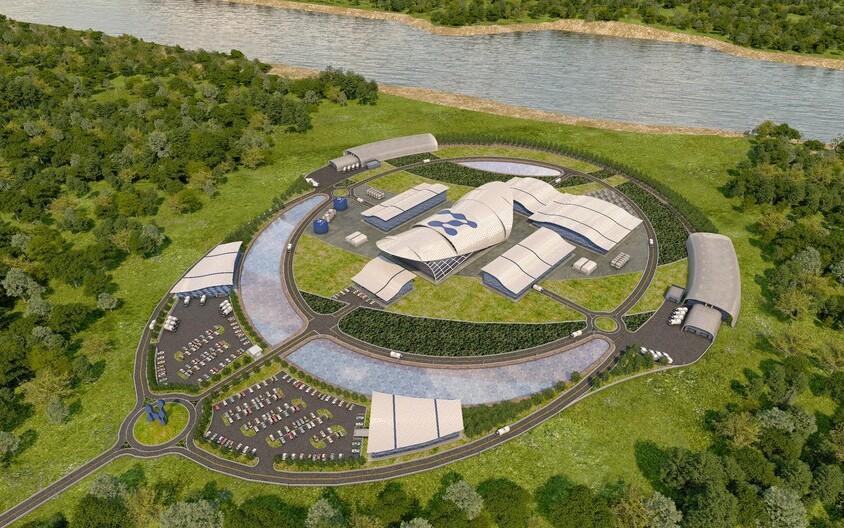
Estonia has narrowed the search for a nuclear power plant site from six locations to three, all in Viru-Nigula municipality, Lääne-Viru County.
This follows the dropping a site at Lüganuse, in Ida-Viru County further to the east, on security grounds.
The three remaining areas are Madala, Malla and Letipea, as noted all in the same municipality, around 120km east of Tallinn, and the Ministry of Economic Affairs and Communications says the substantive work only now begins.
Estonia has no nuclear power station at present, but a possible Small Modular Reactor (SMR)-type facility has been the subject of discussion for some years now.
"Above all, this decision rests on input received from the Ministry of Defense," said project manager Agnes Lihtsa.
Lihtsa said the security analysis is a standard procedure, with each agency answering questions from its own field, and that the defense ministry's input was that three sites could be considered further and three could not.

"The starting points have been confirmed, and on that basis analyses will be carried out and the remaining sites compared with one another," Lihtsa went on.
Initial route alternatives for the three sites are planned for early next year, to be presented to the public and discussed locally. "Until now it was really about refining and supplementing the methodology; now the substantive work is only just beginning," Lihtsa added.
Lihtsa acknowledged a delay of a few months, which she attributed to that refinement of methodology, and noted the process had otherwise been on schedule.
The government launched the national designated spatial plan and strategic environmental assessment for a nuclear power plant with up to 600 MW of electrical capacity, and the infrastructure that would entail, in May 2025.
The Nuclear Energy and Safety Act was approved by the government in March 2026 and passed the Riigikogu this summer, creating a legal framework, designating the Consumer Protection and Technical Regulatory Authority as the nuclear regulator, and requiring Riigikogu approval before any reactor is built. A €2.2 million allocation in October is funding the regulator, with 13 specialists initially and a target of around 40 over four years. Even if a plant is built, nuclear generation would not come online before 2035 at the earliest.
--
Follow ERR News on Facebook and Twitter and never miss an update!
Editor: Andrew Whyte, Mait Ots


