Government to offset district heating and network fees during winter
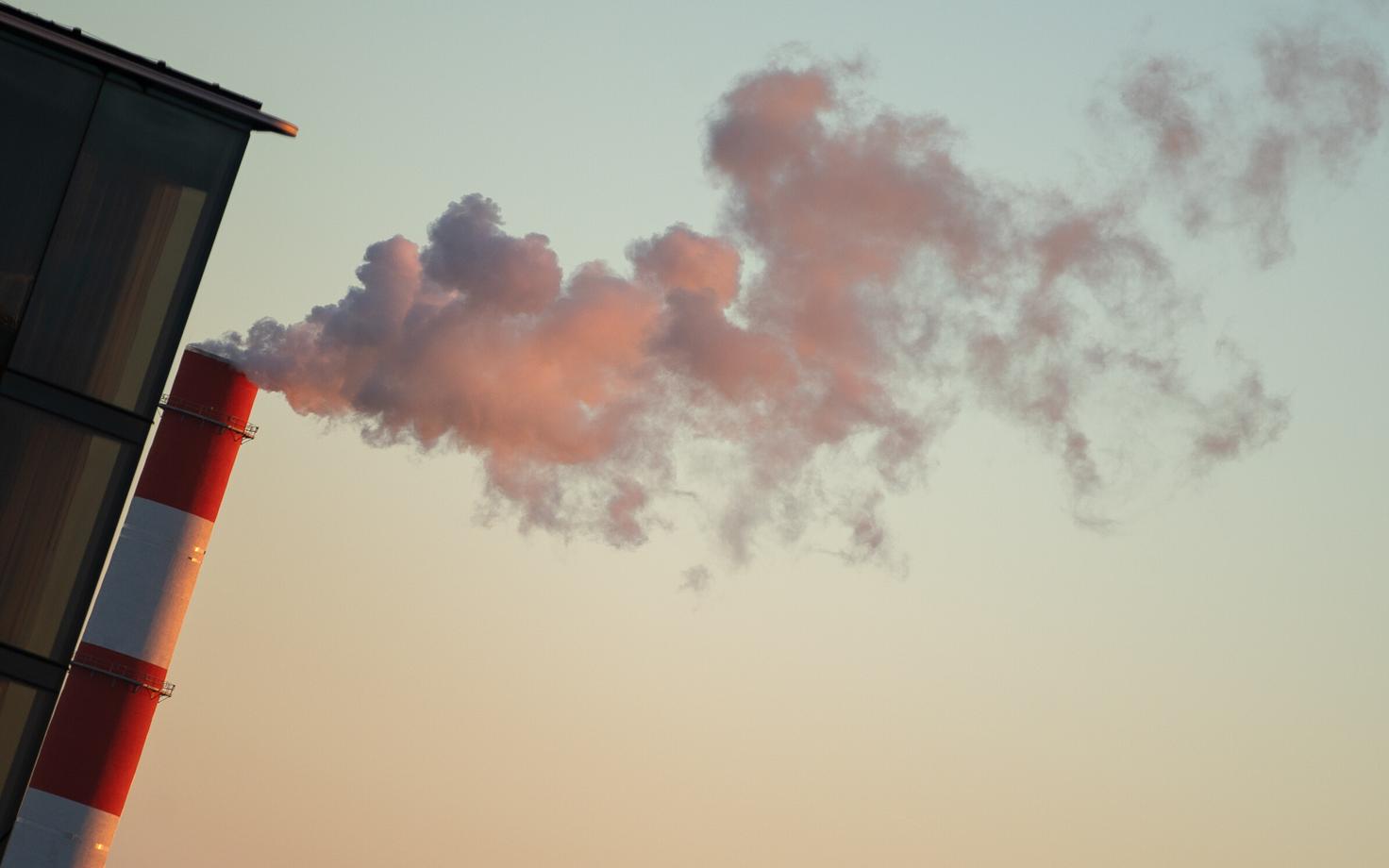
The government has decided to cushion the impact of high energy prices during the heating season by compensating part of district heating costs and reducing electricity and gas network charges for consumers.
In addition to eliminating Elering's transmission network fee and compensating electricity and gas network charges, the government will reimburse household consumers for 80 percent of district heating costs above €110 per megawatt-hour.
Energy Minister Erkki Keldo said Tuesday's cabinet discussion focused on helping those most affected by rising energy prices.
"We made a principled decision to ease the impact of high energy prices on consumers during the upcoming heating season, from December through the end of March. High energy bills affect all of us, but they hit lower-income households the hardest," Keldo said.
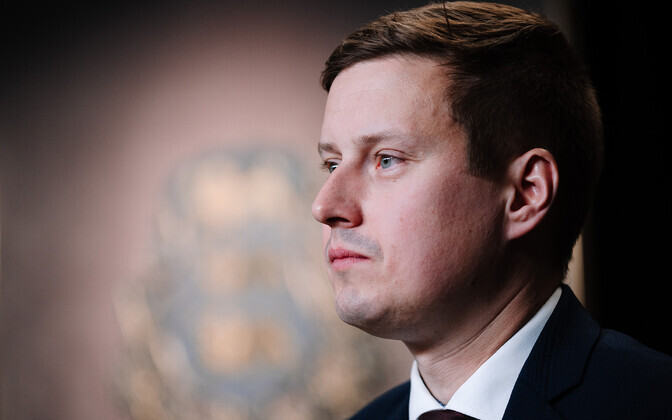
Beyond district heating, the plan also covers other energy sources. The government will allocate €36 million in congestion fee revenue to reduce Elering's transmission network fee to zero, benefiting households, businesses and local governments.
Household consumers will also receive full compensation for gas network charges up to monthly consumption of 2,500 kilowatt-hours, while electricity network charges will also be compensated, with exact details to be announced in the coming days.
Prime Minister Kristen Michal said on an ERR radio program Tuesday that the district heating support measure is primarily aimed at residents in areas with higher heating costs who have limited opportunities to switch to cheaper contracts.
"The government's understanding was that we would compensate part of district heating costs for household consumers in areas where heating is more expensive. In some regions, where investments have not yet been made and where district heating remains costly, this helps reduce the impact. Fortunately, many people have already fixed their energy contracts, but in higher-cost district heating areas that often is not possible," Michal said.
The prime minister added that using €36 million in congestion fee revenue would help reduce inflation and would not require a supplementary budget. The exact cost and implementation details of the remaining support measures are expected to be finalized this week or next.
"€36 million comes from congestion fee revenue, so we do not need a supplementary budget for that. As for district heating support and compensation of gas and electricity network charges, we are talking about roughly €30 million — and I emphasize roughly, because the figure will be refined. The preliminary estimate is around €30 million, but it may change depending on the mechanisms we ultimately agree on," Michal said.
--
Editor: Mari Peegel, Argo Ideon
Source: ERR interview by Arp Müller and Mirko Ojakivi


