Kremlin again accuses Estonia of letting Ukraine attack via its airspace
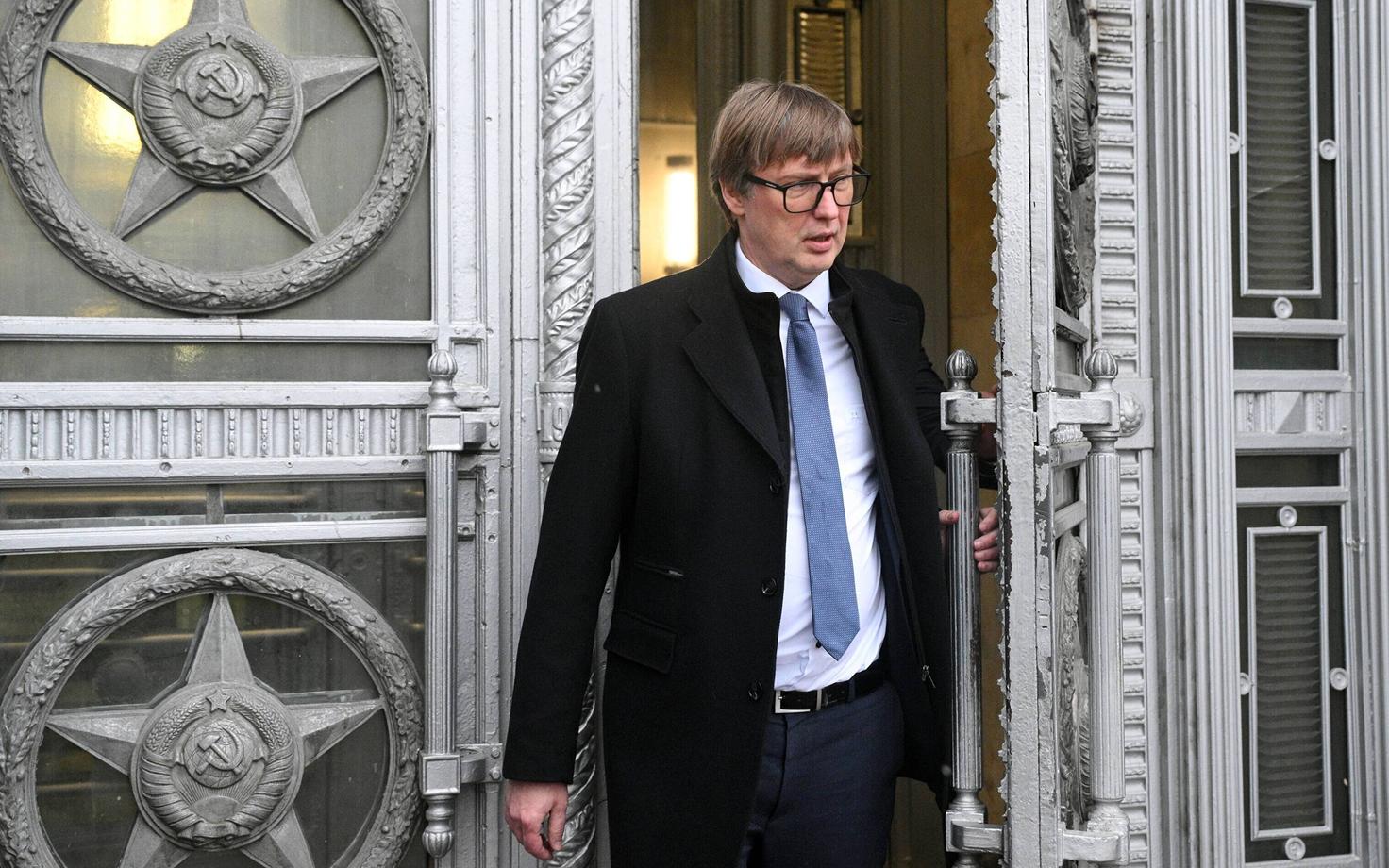
Russia's Foreign Ministry claimed Monday that Estonia is "tacitly" allowing Ukraine to use its airspace to strike targets inside Russia.
Russia also repeated an earlier allegation and warning that such a move could lead to "open war" following a Russian cargo ship catching fire in Estonia's exclusive economic zone in the Gulf of Finland.
The ministry issued the statement after summoning Estonia's chargé d'affaires in Moscow, Marek Ühtegi, to lodge a formal protest over Estonia's decision to close its land border with Russia and over Tallinn's accusations linking Russian military intelligence to an attempted arson attack on a defense facility near Tallinn.
Moscow's move came days after Tallinn summoned Russia's chargé d'affaires on Friday to protest heavy strikes on Kyiv and notify Moscow that Estonia will close all road border crossings with Russia for at least six months starting December 1.
In its statement on Monday, Russia's Foreign Ministry also accused Estonia of trying to obstruct the movement of Russian cargo ships in the Baltic Sea.
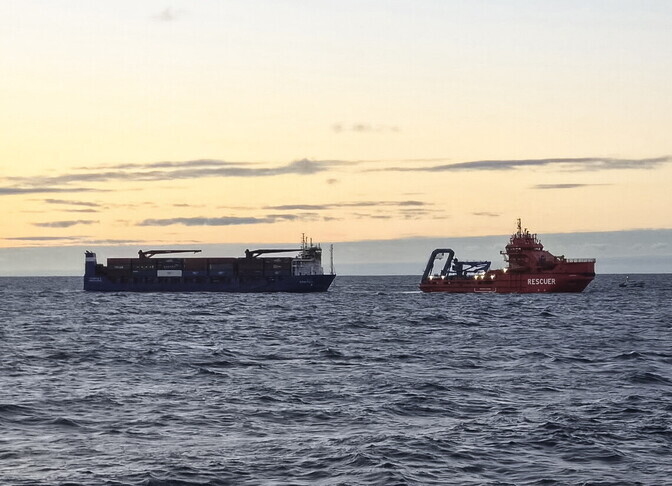
Explosions rocked the US-sanctioned Russian dry cargo vessel Sparta II — classified by Ukrainian military intelligence as a carrier of weapons and military equipment — Saturday morning, following a reported drone strike in the Gulf of Finland. The incident occurred in an international shipping lane 11 nautical miles north of Estonia's Vaindloo Island and inside Estonia's exclusive economic zone, within the area of responsibility of the St. Petersburg Maritime Rescue Center.
The vessel's bridge caught fire before it drifted north into Finnish territorial waters, where Finland's Border Guard, RAJA, led a rescue and firefighting operation and evacuated the crew. Estonia's Police and Border Guard Board (PPA) monitored the incident and raised the readiness of its rescue helicopter, though Russian rescue authorities did not request Estonian assistance. Subsequently, Russian tugs towed the ship out of Finnish waters toward the Russian port of St. Petersburg.
Ukraine first struck a Russian warship in the Gulf of Finland overnight into November 11, hitting a Russian Baltic Fleet corvette.
According to Moscow, Ühtegi was summoned over the Estonian government's November 20 decision to suspend land border crossings with Russia from December 1.
"The unilateral closure of the border crossings violates the rights and interests of many of our compatriots," Russia's Foreign Ministry claimed, adding that the decision would harm the economy and public services in Estonia's border regions and "boomerang" on Tallinn and its EU and NATO allies.
Russian media reported that Ühtegi left the Foreign Ministry building in Moscow after roughly an hour without commenting to the media.
Moscow also lodged a protest over what it termed "hasty and unfounded" accusations linking Russia to the foiled arson plot against a defense industry company near Tallinn, alleging the claims exposed "widespread Russophobia" within the Estonian government.
Russia has previously accused the Baltic states of permitting Ukraine to use their airspace to launch long-range strikes, including an attack on the Russian port of Ust-Luga.
Estonian Foreign Minister: Moscow trying to divert attention from its own threats
Foreign Minister Margus Tsahkna (Eesti 200) rejected Moscow's allegations later on Monday, saying Russia is stepping up its propaganda machine to distract from its own efforts to undermine European security.
"Russia has stepped up its propaganda machine and is trying to divert attention from its own efforts to undermine European security by making baseless accusations against Estonia. Yet the events of recent weeks alone show the threat Russia poses to European security," Tsahkna said via a ministry press release.
Russia is flooding the airwaves with baseless accusations against Estonia to distract from its own actions undermining European security. In recent weeks alone, Russian missiles have struck Polish territory, Danish authorities have uncovered a Russian intelligence plot, commercial shipping has faced threats in the Black Sea, and Estonia has thwarted a GRU-ordered arson attack against a defence industry company. These are the real security threats. We will not lose sight of them.
— Margus Tsahkna (@Tsahkna) November 23, 2026
"Russian missiles have reached Polish territory, Danish security services have identified an assassination plot in Denmark orchestrated by Russian intelligence services, merchant vessels in the Black Sea are under constant threat from Russian attacks, and in Estonia, an arson attack targeting a defense industry company, planned on the orders of Russian military intelligence, was foiled. All this is happening while Russia continues its war of aggression against Ukraine," he added.
Tsahkna stressed that Estonia had provided a thorough rationale for its decisions.
"Closing the border is a necessary step towards reducing security threats originating from Russia and strengthening security across Europe. We have also repeatedly stressed that Estonia has not allowed and will not allow its territory or airspace to be used for drone attacks against Russia from Ukraine," the foreign minister said. "Despite Russia's propaganda, we will not allow our focus to be shifted from the real security threats."
Minister, former official: 'Bully is playing the victim'
Defense Minister Martin Herem pointed out Tuesday morning that far more Ukrainian drones have entered Estonian airspace from the Russian side than vice versa.
"Up to that point, they have certainly spent far longer flying in Russian airspace than drones have spent in ours on their way there. Russia is definitely allowing Ukrainian drones to fly in its airspace more than they have flown in ours," Herem said on his social media account.
He noted that Estonia has even downed a drone heading toward Russia while still inside its own airspace, stood ready multiple times to intercept Ukrainian drones briefly straying across the border, and helped rescue a burning Russian vessel — only to be accused of acting aggressively.
"Well then, what should we do? Send our air defense units to Russia to help out? Or should we protest that Russia is enabling Ukrainian drone flights, including into our airspace?" Herem asked with more than a touch of irony.
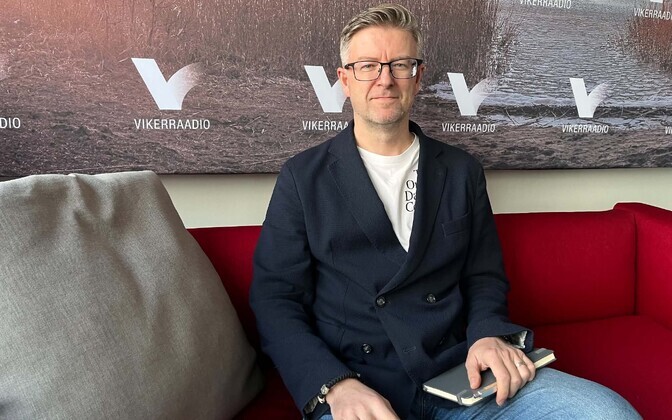
Former Defense Ministry permanent secretary and former Estonian ambassador to Ukraine Kaimo Kuusk, now a Parempoolsed candidate, said Moscow's rhetoric stems from its failure to break Ukraine on the battlefield.
"The bully is playing the victim," Kuusk posted on social media, noting that it is Russia that violates international law by attacking its neighbors, not the reverse. "Russian air defenses cannot catch Ukrainian drones, yet officials can't tell their bosses they are incompetent and that the Ukrainians are simply smart and have got their defense industry running at full tilt in the fifth year of the war. So they have to spout nonsense about neighboring countries letting the Ukrainians use their airspace and sea. They do not," Kuusk said.
Kuusk pointed to Ukraine's recent incursion back into Russia's Kursk Oblast, heavy Russian casualties, and Ukrainian strikes on Russian naval vessels in the Black Sea, off Benghazi in the Mediterranean, and in the Baltic Sea, alongside ongoing attacks on refineries, airfields, and missile launchers inside Russia.
Background
The diplomatic tit-for-tat follows Estonia's Friday decision to suspend all road border crossings with Russia — at Narva-1 and Narva-2 in the northeast, and at Koidula, Luhamaa, and Saatse in the southeast — for at least six months from Tuesday, December 1, in response to escalating Russian sabotage and hostile activities. Tallinn also summoned Russia's chargé d'affaires on Friday to condemn recent large-scale Russian missile and drone strikes on Kyiv, which damaged several European diplomatic missions including the Austrian and Dutch embassies. Earlier last week, Foreign Minister Margus Tsahkna summoned the Russian diplomat over a foiled GRU-linked arson attack targeting Estonian defense firm Threod Systems.
--
Follow ERR News on Facebook and Twitter and never miss an update!
Editor: Andrew Whyte, Urmet Kook, Valner Väino
Source: Reuters, BBC


