Alar Laneman: Estonia's decision to close the Russian border logical and unavoidable
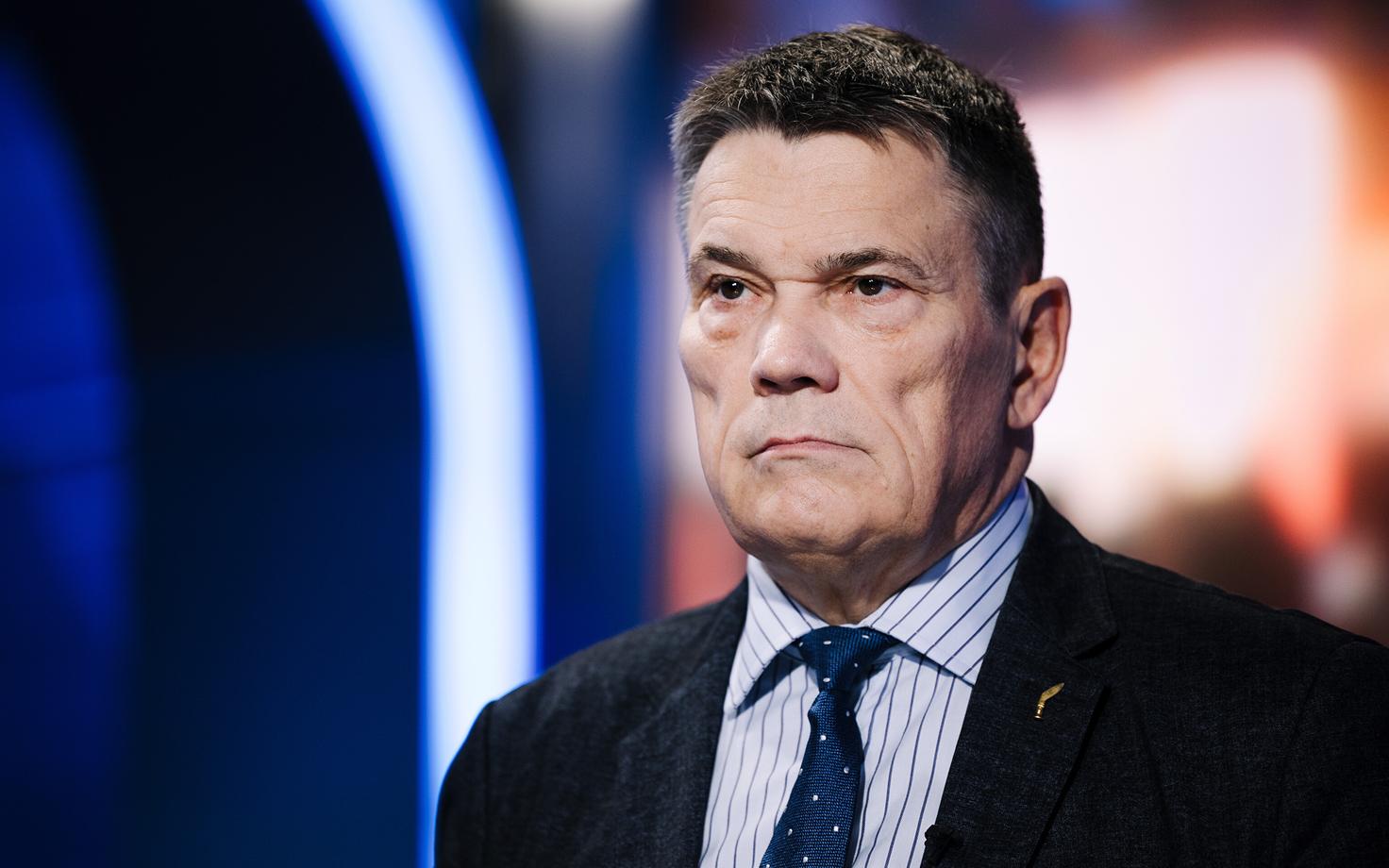
Closing Estonia's border with Russia will strengthen national security and reduce opportunities for hostile activities, while preserving open borders within the EU remains essential to European unity, Alar Laneman argues.
It is strange to observe the contradiction between our eastern neighbor's attitudes toward Europe and its policies. On the one hand, there is a cocktail of hatred, contempt and envy; on the other, a desire to travel to Europe for vacations, study, buy real estate, live and do business.
The contradiction is even more striking when we think of Peter the Great who opened Russia's window to Europe. It is hard to understand which of these opposing attitudes is genuine and which is false. As an optimist, I would like to hope that closing the border might help our eastern neighbor understand that normal relations between countries are always preferable to having no relations at all. But if someone finds Europe so unpleasant, there is no need for them to go there.
At 7 a.m. on December 1, a government decision will suspend border crossings at all road crossing points along the Estonian-Russian border: Narva-1, Narva-2, Koidula, Luhamaa and Saatse. After six months, the authorities will assess whether the restriction needs to be adjusted.
Estonia is not alone in this, as Finland has kept its land border with Russia closed since December 2023. Latvia, Lithuania and Poland have also significantly restricted border crossings along their eastern borders.
The practical impact of the decision is multifaceted. Given the turmoil and recent provocative attacks, closing the border with our eastern neighbor is an unavoidable and logical step. It will reduce opportunities for provocations, hostile intelligence activities and information gathering by our eastern neighbor.
At the same time, it must regrettably be acknowledged that closing the border will make it more difficult for some families and relatives to maintain contact, while also complicating business operations in border areas. Reducing the workload at the border will allow the agencies responsible for our internal security to focus on other critical tasks, the most important of which I consider to be developing reserve capabilities, countering drones and strengthening the protection of critical infrastructure. The political calendar must also be taken into account: Internal security and public safety are particularly important in the run-up to the Riigikogu elections.
Our internal European Union border with Latvia must be considered separately. Proposals to close the border with Latvia or restrict movement across it are dangerous. Any such measures would undermine the fundamental principles on which the European Union operates, weaken European unity and thereby directly serve the interests of our adversaries. A better solution would be for internal security agencies across the European Union, particularly in Estonia, Latvia and Lithuania, to improve their effectiveness and strengthen cooperation with one another.
The decision to close the border sends several messages. To our eastern neighbor, we are signaling that normal cross-border relations between neighbors are always preferable and remain our preferred option. To our allies, we are setting an example worth following. For the people of Estonia, the decision will strengthen their sense of security because we are making the country stronger by reducing opportunities for provocations and activities hostile to Estonia. Amid war fatigue and an underlying sense of fear, we need that reassurance, especially now, in the run-up to Christmas.
--
Editor: Marcus Turovski


