Estonia's Competition Authority wants a bigger budget or lower fees for consumers
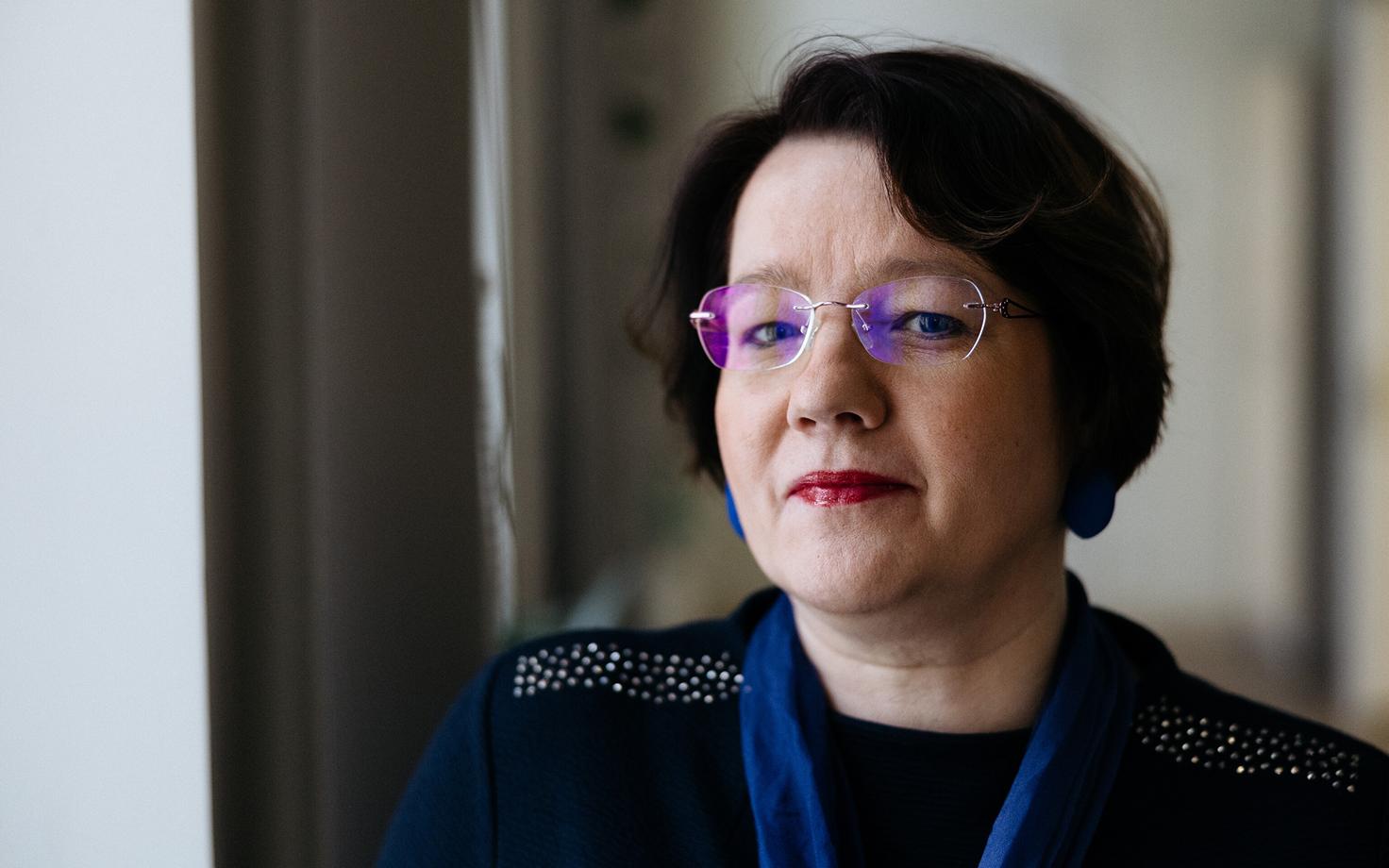
Estonia's Competition Authority says millions collected from consumers through regulatory oversight fees are being diverted to other state budget expenses, leaving the agency underfunded and potentially facing layoffs.
In 2021, the Riigikogu decided that consumers should pay for economic regulation and introduced a regulatory oversight fee. This means consumers pay the state for oversight of the electricity, gas, district heating and water sectors. The fee amounts to 0.2 percent of a company's sales revenue. The Competition Authority's annual budget has consistently projected €1.6 million in revenue from the fee, although the amount actually collected by the state has always been higher, exceeding €2 million.
Revenue from the oversight fee is projected to reach nearly €2.5 million next year. Competition Authority Director General Evelin Pärn-Lee said companies are justified in asking whether the state is effectively using the fee as a form of indirect taxation.
"That is certainly how it looks right now. The state collects the money but does not actually provide consumers with a service of equivalent value in return. Another issue is that the fee is paid by all consumers of regulated companies. Those who do not use regulated services do not pay it. This means the tax burden is higher for people who use these services," Pärn-Lee said.
"My position is clear: If the state believes that economic regulation is not needed on such a large scale, it should start by lowering the fee rates and returning the money to consumers or at least stop collecting such large amounts."
Pärn-Lee added that the authority's current budget is barely sufficient to cover the approval of regulated prices.
"That leaves virtually no resources for market oversight. In my view, this is essential if we are to protect consumer rights. Individual consumers simply cannot deal with monopolistic companies on the same equal footing as the Competition Authority can," Pärn-Lee said.
The problem extends beyond how the money is allocated. The Competition Authority's economic regulation budget has been reduced, from the previous 1.6 percent to 1.4 percent for 2025-2027. Meanwhile, its workload and statutory responsibilities have increased.
The Competition Authority operates under the Ministry of Justice and Digital Affairs. Minister Liisa Pakosta acknowledged that revenue collected in excess of the amount allocated to the authority remains in the state budget to cover other expenses.
"In our view, the law stipulates that all of this money should go to the Competition Authority. The Ministry of Finance takes a different view, arguing that it has the right to cap the authority's funding at €1.6 million, even if more revenue is collected through the oversight fee. I do not believe that is right," Pakosta said.
"This money is collected from companies for one purpose only: to conduct oversight. Unfortunately, our proposal to transfer all revenue collected through the oversight fee to the Competition Authority's budget did not receive support during the preparation of the state budget. Alternatively, if the state believes that so much money should not be collected through the oversight fee, then the fee itself should be reduced. The Competition Authority is an autonomous agency and it has independently made another attempt by submitting a corresponding proposal to the Riigikogu."
Annely Akkermann (Reform Party), chair of the Riigikogu Finance Committee, said only that amendments to next year's state budget can still be submitted until November 25. If the Competition Authority fails to reach an agreement with the Ministry of Finance, the proposed amendment will not reach the Riigikogu plenary.
The Ministry of Finance declined to comment, saying only that matters concerning the Competition Authority fall under the responsibility of the Ministry of Justice and Digital Affairs.
Pärn-Lee described the response she received from the Ministry of Finance to her inquiry as follows: "They say the entire oversight fee system is fundamentally wrong. When the draft legislation went through the consultation process in 2021, the Ministry of Finance did not say a word about such an oversight fee system being inappropriate. They have since changed their position and now believe that supervisory authorities should not be collecting this kind of money from the market at all. The Competition Authority is simply following the law."
Next year's budget shortfall could force the Competition Authority to lay off as many as four economic regulation experts, directly affecting its ability to carry out its responsibilities. The lack of resources is already resulting in longer proceedings and limited capacity for market oversight.
--
Editor: Marcus Turovski, Mirjam Mäekivi


