Study: Lower commodity prices reach consumers with delays
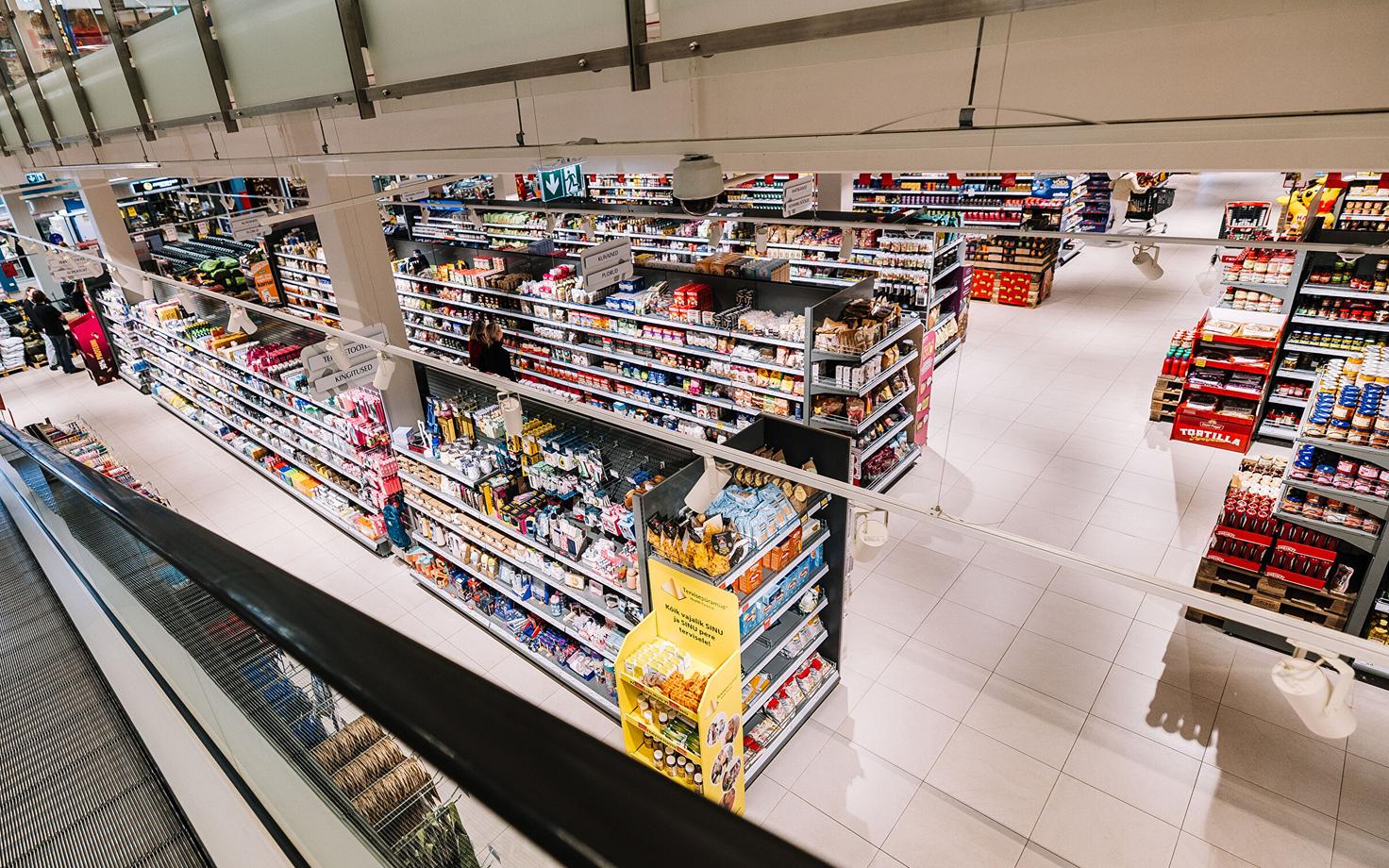
A sharp drop in farm-gate prices for milk, pork, and beef has not translated directly into lower retail prices, with changes reaching store shelves unevenly and often after a delay, says a study by the Centre of Estonian Rural Research and Knowledge (METK).
METK's analysis found that changes in food commodity prices are passed on to consumers unevenly and with significant time lags.
The farm-gate price of milk in Estonia fell 23 percent over the past year, while retail prices for milk declined much more modestly.
The retail price of 2.5 percent milk was seven percent lower than a year earlier, while the price of whole milk with four percent fat content declined four percent.
Butter prices fell about 19 percent and cottage cheese prices seven percent, yet the retail price of Edam cheese increased about nine percent. For both drinking milk and Edam cheese, the share of raw material costs in the final retail price declined.
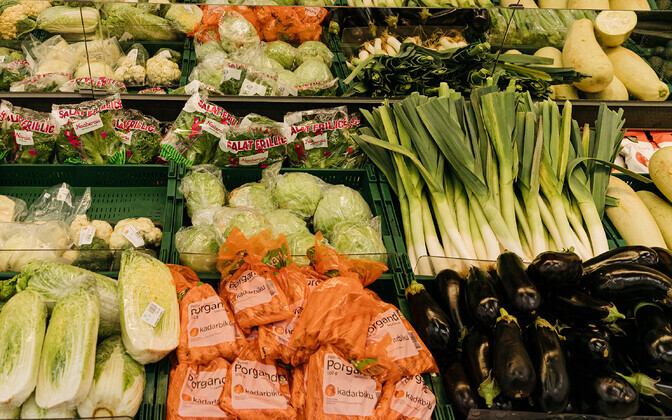
Retail prices for potatoes, carrots, cabbage, and apples were lower in the third quarter than a year earlier. The retail price of table apples fell 28 percent, while retailers' margins decreased 52 percent. Producers accounted for 48 percent of the retail price of apples and retailers for 32 percent.
The purchase price of pork carcasses declined 22 percent over the year and beef carcass prices fell 3 percent, but retail prices for the meat products examined in the study increased.
Beef mince rose 37 percent, pork mince 38 percent, frankfurters 16 percent, and mixed mince 8 percent.
For all meat products reviewed, the share of raw material costs in the retail price decreased while the share retained by retailers increased.
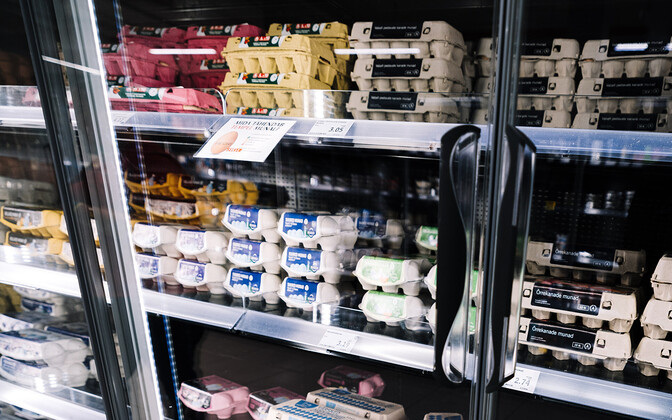
Egg prices also continued to rise year over year. The price of a 10-pack of caged eggs increased from €2.51 to €2.57.
In grain-based products, food processing accounted for the largest share of retail prices, representing 52 percent of the retail price of bread and 50 percent of the retail price of white bread. Due to higher wheat purchase prices, the raw material component in the retail price of wheat flour increased from €0.24 to €0.28 per kilogram over one quarter. For both bread and white bread, raw material costs rose by €0.02 per kilogram.
Asked by ERR why retail prices do not move in step with commodity prices, Selver communications manager Mariann Järvela said final prices are determined by suppliers' and producers' wholesale prices.
"If the purchase price does not change for us, the product's final price in the store cannot change either," Järvela said.

Nele Peil, executive director of the Estonian Traders Association, said the organization could not comment on pricing issues because the Competition Authority had recently reminded the association about what topics could and could not be discussed publicly.
"Prices, both wholesale and retail, are the most restricted subject of all," Peil said.
METK's margin study is based on data from the organization itself, Statistics Estonia, and the Estonian Institute of Economic Research, and is prepared for the Ministry of Regional Affairs and Agriculture.
--
Editor: Karin Koppel, Argo Ideon


