Security expert: Chances of Russia attacking just Estonia are minute
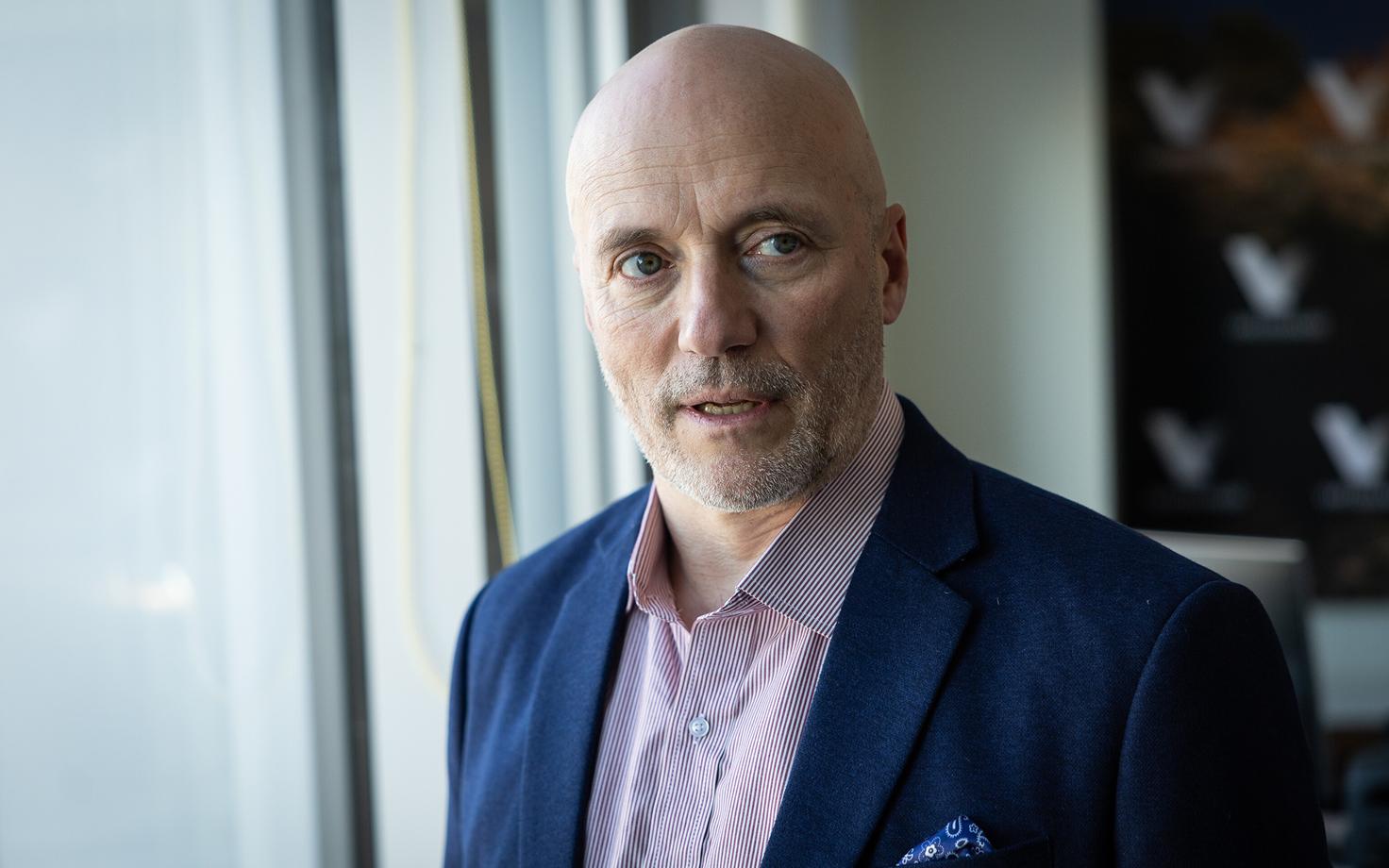
Russia's warning that it is on the brink of open warfare with Estonia is primarily aimed at sowing panic and influencing Estonian policy rather than signaling imminent military action, security expert Ilmar Raag said.
"When I saw the top news story saying we were on the brink of open warfare, something immediately struck me as off. That's because when I put it in the broader context, it seemed impossible. The first thing to consider in that broader context is that Russia still lacks the resources and manpower to deal with anything other than Ukraine," Raag said.
Another point Raag highlighted, appearing on Vikerraadio Wednesday morning, was that Russia has established doctrines and concepts for how it would wage war and these do not treat Estonia separately, but rather the Baltic states as a whole.
"This is a single operational theater, as illustrated by the fact that even in Soviet times, there was no separate Estonian military district, but rather a Baltic Military District. Consequently, the possibility of Russia attacking Estonia alone without risking a war with the entire region and all of NATO is extremely remote."
When Estonia decided to close its border with Russia, as Finland did three years ago, Russia had to respond in some way, Raag said.
"They've grown accustomed to the fact that if you don't say much, no one pays attention to you and no one takes you seriously, which is why they're constantly using increasingly harsh language. At the same time, they're dropping some very clear hints and one concrete indication was that they would take some form of political and diplomatic countermeasures."
Raag highlighted two factors underlying Russia's threats. The first is that Russia's current leadership has repeatedly claimed that Europe is waging hybrid warfare against Russia.
"From Russia's perspective, all of Europe is already at war with Russia. That's because, for them, war begins before the tanks start moving. War begins the moment hybrid attacks, information attacks and so forth take place."
On the other hand, Raag noted that, from Russia's perspective, several European countries have political forces sympathetic to Putin that advocate ending support for Ukraine and are unconcerned about borders in Europe being changed through war.
"And so the idea is to play to those political forces. In Estonia, too, we've seen political commentators who believe everything we're currently doing with regard to Russia is wrong and that we're bringing war upon ourselves. This statement (about the risk of open warfare breaking out — ed.) is a gift aimed precisely at them. You're afraid Russia might get angry with Estonia? Well, here we are, making a show of getting angry. The idea is to give those forces a greater platform in Estonia and enable them to sow more panic. Ultimately, the objective is to change Estonia's policy."
In Raag's view, even so-called mainstream politicians should have refrained from responding to Russia's threats, as the Russian Foreign Ministry's statement made no mention of plans for military countermeasures against Estonia.
"And so they remain just words. You can respond to such remarks with tweets, Trump-style, but they have no practical significance. My recommendation, therefore, is not to respond at all."
Commenting on the closure of the Estonian-Russian border and President Ülle Madise's criticism that the decision was driven too much by emotion, Raag said it was a complicated issue, as any decision, whether to act or refrain from acting, comes with both advantages and disadvantages.
"One option is not to respond at all. But in that case, many people in society would also feel it was wrong for Estonia not to respond at all when two terrorist attacks have been carried out in the country within three months. At the same time, it's also true that closing the border is primarily a political gesture. It's a way of telling the Finns that we now stand united with them. But the security agencies presumably also know that this does little to reduce the likelihood of another potential attack. And the threat of another similar attack is very real."
Raag said that had a terrorist attack targeting an Estonian defense industry company occurred six years ago, it would have caused widespread panic. In Raag's assessment, society is much more resilient today and the experience of the war in Ukraine also demonstrates that society can endure as long as the front line holds.
"Everyone who's been to Kyiv talks with amazement about how the theaters are still operating. You can go to a café or restaurant in the morning or evening, meaning that, in a sense, normal life continues. The question is whether you want to remain who you are or whether you're prepared to change yourself to suit your adversary's wishes. And as far as both Ukraine and Estonia are concerned, from Russia's perspective, it's not just about its security concerns, with demands that NATO bases be pulled back to their 1997 positions. Russia also criticizes Estonia's approach to the status of the Russian language, Orthodox Christianity and so forth. In other words, they're fundamentally questioning our very concept of a nation-state. Is Estonia Estonia, or is it a Russian oblast?"
Raag recalled that as recently as this past weekend, three missiles fell from the sky in Poland, yet Poles are carrying on with their lives. He highlighted a curious phenomenon of modern strategic warfare involving deep strikes.
"In reality, very few ordinary civilians are killed. But there's something else behind it. The primary targets are essential service providers and this is how pressure is exerted on people. We're not going to kill you, but we're going to make your lives very uncomfortable. When your home is cold in winter, when there's no electricity and water freezes in the pipes, how long will you have the strength of spirit to endure? Fundamentally, that's also the main question facing Estonia. We're not facing the threat of every Estonian being killed tomorrow or the entire country being rapidly conquered. That's not going to happen. But the possibility that our lives could still become uncomfortable for a period of time is certainly real."
--
Editor: Marcus Turovski, Urmet Kook
Source: "Vikerhommik"


