Nicotine patch restrictions reduced in new Tobacco Act draft
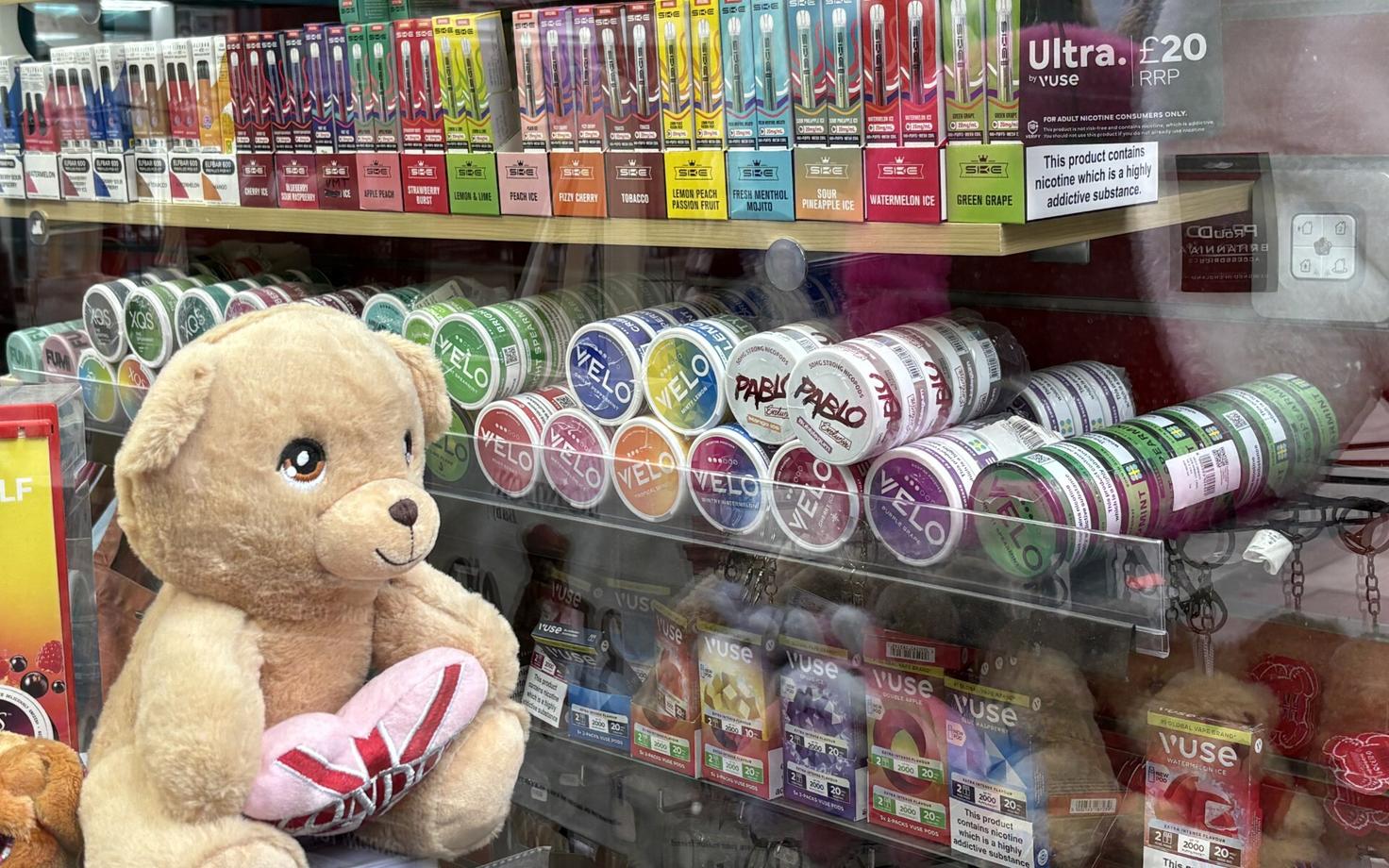
Restrictions on nicotine patches have been reduced to match those in Finland under new amendments to the Tobacco Act, which MPs in the Riigikogu will discuss later this week.
In 2025, the state earned €12 million in excise revenue from the sale of nicotine pouches. There are currently no restrictions on the nicotine content of pouches, but most products contain 10–20 milligrams of nicotine per gram.
Minister of Justice Liisa Pakosta (Eesti 200) wants to make nicotine pouches weaker to protect young people's health. However, Minister of Finance Jürgen Ligi (Reform) and tobacco retailers believe excessively strict limits will encourage the growth of the black market.
In August, the minister of economic affairs did not approve the original bill to amend the Tobacco Act, which would have set the limit at four milligrams. The government is now approving less stringent restrictions.
"We have record-high consumption among young people, and consumption among young people is also growing very rapidly, especially among girls. The stronger the pouches being sold, the faster young people become addicted. That is why many countries have either banned nicotine pouches altogether or set an upper limit," Pakosta said.

The Ministry of Justice and the Ministry of Social Affairs proposed a nine-milligram limit to the government as a compromise. But tobacco retailers said the restriction would deal a death blow to legal trade.
"Under such a definition, approximately 90 percent of products would disappear from the market today, meaning 90 percent of legal trade would be replaced by illegal trade," said retailer Nicorex CEO Diane Sirelpuu.
Primarily under pressure from the finance minister, the final bill retained the 16.6-milligram limit in force in Finland.
"That is the Finnish limit. When the market is already full of different products, strong products, imposing a ban that our neighbors do not or cannot comply with is simply unreasonable. Latvia lost a lot of budget revenue because the goods became illegal," Ligi said.
Sirelpuu agreed: "The black market is precisely the channel through which young people can get hold of these products most quickly, and while the current bill does increase fines, these increases primarily apply to legal entities."

The justice minister also acknowledged that the illegal sale of nicotine products among young people is a problem.
"Unfortunately, we have also seen the emergence of what could figuratively be described as networks of schoolboys who order these nicotine pouches from third countries, mainly China, and resell them for profit. These could develop into drug networks, which we have largely managed to get rid of," Pakosta said.
Ligi believes the focus should be on supervision rather than imposing restrictions.
"Young people can freely get hold of this stuff even though it is prohibited for them. It is sent in postal parcels, among other ways, and the justice minister does not want to make use of the option of simplified confiscation," he said.
The bill to amend the Tobacco Act will be discussed by the Riigikogu on Thursday.
--
Follow ERR News on Facebook and Twitter and never miss an update!
Editor: Helen Wright, Johanna Alvin
Source: Aktuaalne kaamera


