Estonian PM: Closing rail border crossing with Russia could be next step
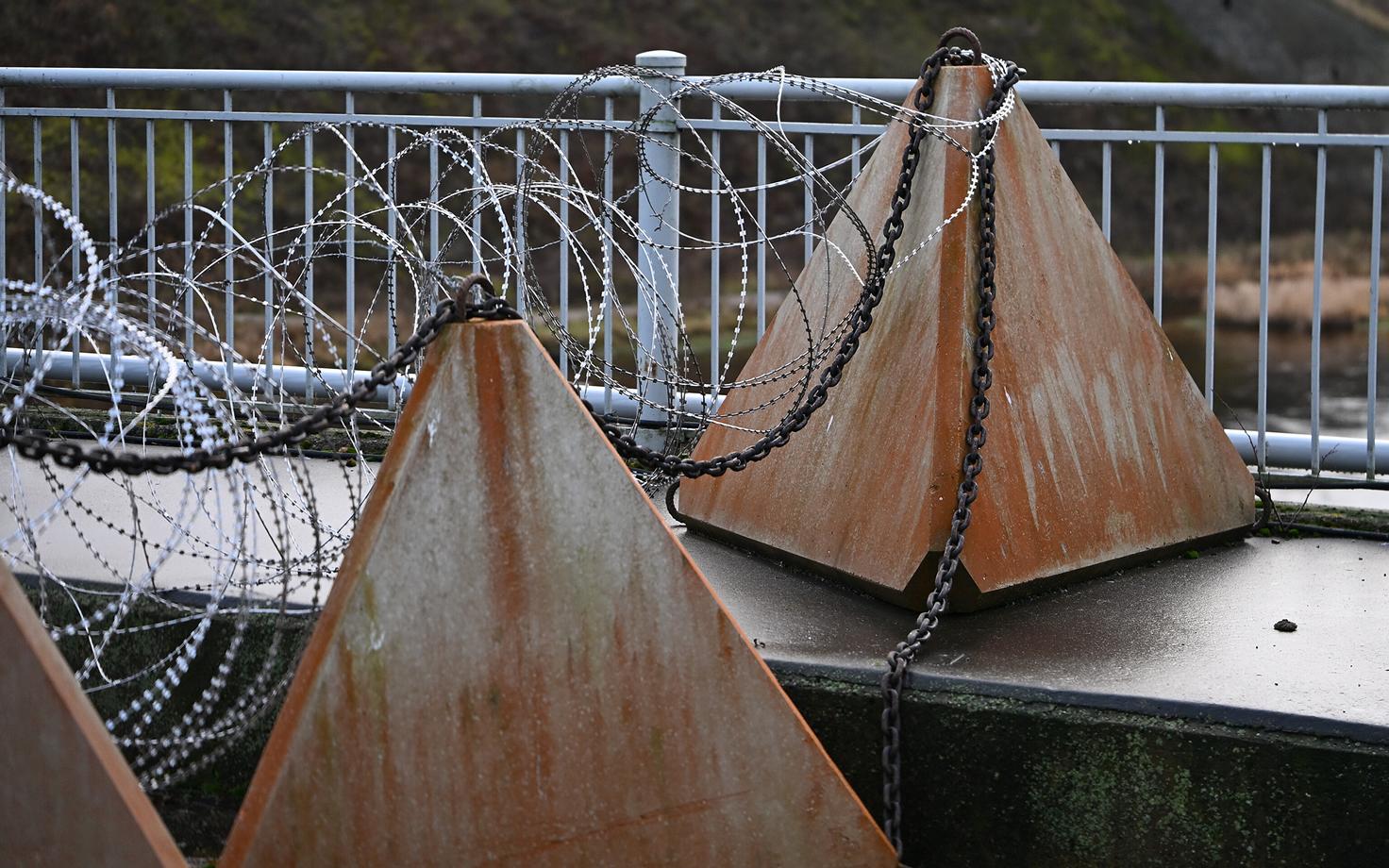
Prime Minister Kristen Michal said Estonia's decision to close its land border with Russia is effectively indefinite and designed to withstand legal challenges. The government has not yet decided whether to close the rail border crossing, but Michal said that option could be considered as a future step.
Speaking on an ERR radio program Tuesday, Michal said the government reached the border closure decision only after careful consideration, but Russia's continued hostile actions and attacks left Estonia with no alternative.
According to the prime minister, Estonia has been targeted 12 times in incidents attributable to Russia, and previous warnings — including reduced border crossing hours and the introduction of full customs inspections — failed to change Moscow's behavior.
"We acted in a very Estonian way — calmly, firmly and perhaps even somewhat slowly. In response to Russia's actions, we reduced border crossing hours and imposed full customs controls while continually sending a signal. The message all along has been: understand, friends, that if you do not behave reasonably, we will eventually reach the point where crossing the border is no longer possible," Michal said.
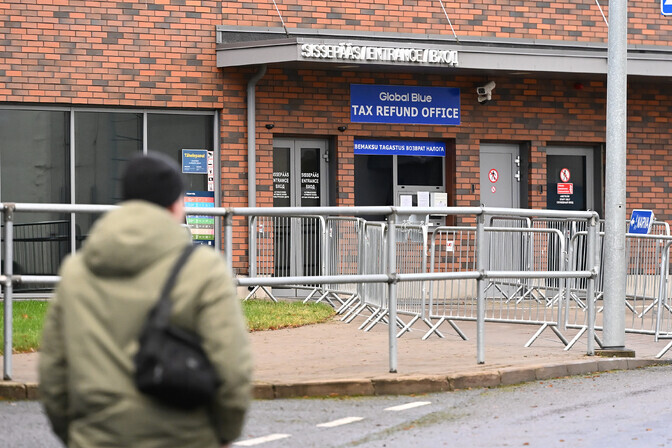
Although the measure is officially described as a temporary closure, the government has tied it to a review of the security situation in six months, which in practice means the border could remain closed indefinitely.
"The official title is a temporary border closure, but in substance it is an indefinite closure. We included a clause stating that the border will remain closed until the government reviews whether the security situation or the grounds for the decision have changed after six months. I personally do not believe the threat from Russia will have diminished by then, so the border will remain closed unless a future government decides otherwise," Michal said.
Asked whether the decision would hold up legally if challenged in court by, for example, the Narva City Council, Michal replied in the affirmative.
The prime minister acknowledged that the closure will have consequences for border regions and said the state must introduce mitigation measures. However, he emphasized that the move is primarily painful for Russia.
Michal also said domestic criticism of the decision has mainly come from the Center Party and circles around MP Aleksandr Tšaplõgin, while Estonia's actions are understood internationally.
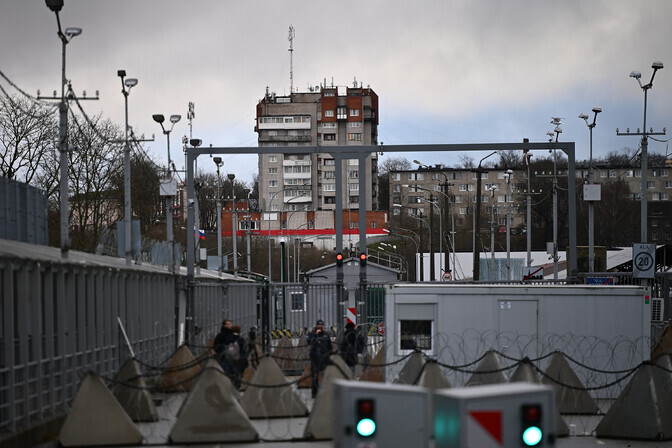
As for the future of the Narva rail crossing, Michal said no final decision has been made. In his view, responses do not always need to be symmetrical, and pressure can be applied through other measures at the European Union level.
"We have not made any additional decision on that yet, and it remains the next step if one is needed. Responses do not always have to be symmetrical or identical. They can come elsewhere. For example, we have long advocated in Europe for measures that are very painful for Russia, such as freezing assets, monitoring the shadow fleet and imposing visa bans on Russian fighters," Michal said.
He added that the European Commission's recent proposal to place Russian fighters on a visa ban list, together with the border closure, sends a clear message that they are not welcome in Europe.
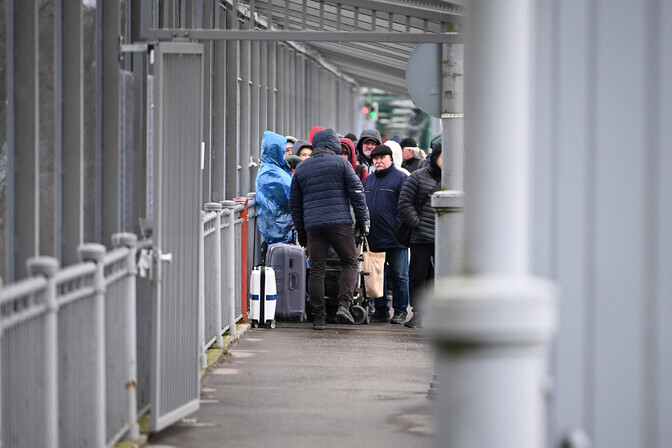
The Estonian government decided on November 20 to close all road border crossings between Estonia and Russia. Border crossings at Narva, Luhamaa, Koidula and Saatse will be closed to pedestrians and vehicles starting at 7 a.m. on December 1. Rail freight traffic will continue. The government said the decision was made in response to sabotage attacks by Russian intelligence services targeting Estonia's defense industry companies.
--
Editor: Mari Peegel, Argo Ideon
Source: ERR interview by Arp Müller and Mirko Ojakivi


