Data center grid requests exceed Estonia's peak power demand several times over
Transmission grid operator Elering says data center connection requests have hit 3,300 megawatts — nearly twice Estonia's peak electricity demand — straining grid limits.
With 600 megawatts already signed up for and 1,300 megawatts in active offers, Elering is nearing capacity, prompting calls for developers to build matching domestic generation.
Although only one major data center currently operates in Estonia, Elering has already signed connection agreements for 600 megawatts and issued active connection offers for a further 1,300 megawatts, even as some of the additional 3,300 megawatts in pending applications may never materialize.
The surge follows seven major data center connection filings totaling 2,900 megawatts reported in recent days, prompting warning flags over grid bandwidth and consumer power prices.
"First, the grid, including its power lines and substations, needs enough capacity to carry that electricity. Given the 600 megawatts in connection agreements we've signed and the 1,300 megawatts in offers that are still valid, we're close to the point where we can't issue any new connection offers. What matters is where the electricity will be generated," Elering board member Reigo Kebja told "Aktuaalne kaamera".
Building energy-hungry server farms without adding matching domestic generation will drive up electricity prices, warned Mart Landsberg, a professor at Tallinn University of Technology (TalTech).
"If we want these data centers to come to Estonia instead of going elsewhere, we need to start attracting new investment in electricity generation now. There are several ways to do that. One option would be to require each data center to add generation capacity in Estonia to help meet its demand," Landsberg said.
Unlike Finland, which is already considering such a requirement, Estonia imposes no obligation on data centers to pair projects with new power generation. Economy and Industry Minister Erkki Keldo said he plans to discuss with developers how the projects can deliver broader public value.
"Data centers generate less direct tax revenue than traditional industry, for example. They do create jobs, including well-paid ones, and buy services from outside suppliers. They have a positive impact on the economy, but it's limited. That's why I want to discuss with businesses what measures could benefit society, whether through additional taxes or by bringing new power generation to Estonia," Keldo said.
Most of the proposed data center capacity is clustered along high-voltage transmission lines in western Estonia's Lääne-Nigula and Lääneranna municipalities, particularly around the small towns of Risti and Lihula but with multi-billion-euro projects also eyed in Tapa, east of Tallinn. By contrast, Estonia's sole existing next-generation facility — Greenergy Data Centers in Hüüru, Harju County, — currently draws just 2 megawatts, though there are plans in place to scale that right up to 200 megawatts by early 2028.
Energy analysts have warned that building even a fraction of the proposed capacity without matching domestic generation would increase Estonia's reliance on power imports from Finland, and place new balancing strain on the grid.
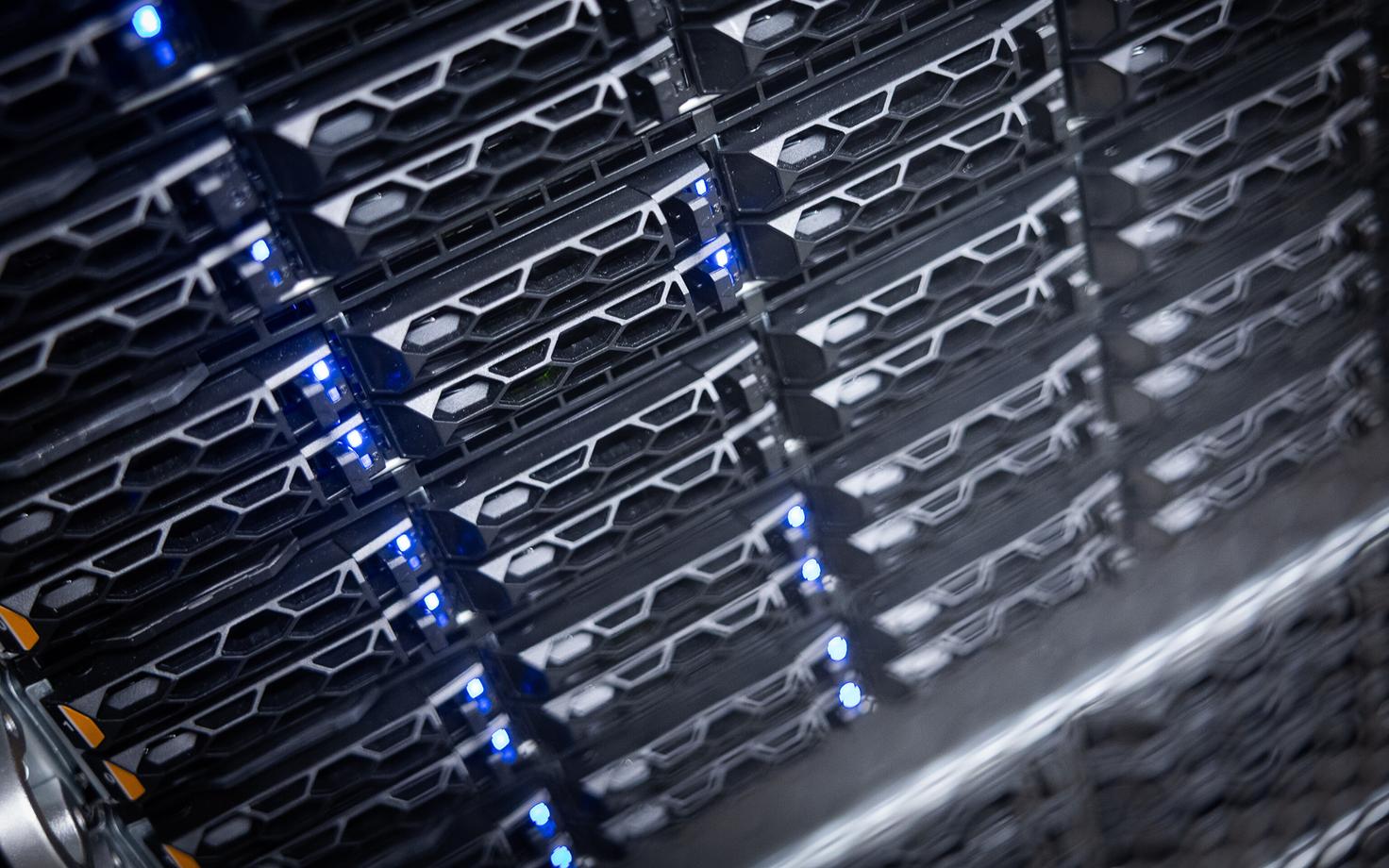
Data centers are large-scale facilities housing networked servers that power cloud computing and artificial intelligence (AI), and they place heavy demands on the grid because they require uninterrupted electricity 24 hours a day to run energy-intensive processors and constant cooling systems.
--
Follow ERR News on Facebook and Twitter and never miss an update!
Editor: Andrew Whyte, Marko Tooming
Source: 'Aktuaalne kaamera'


