PM: Defense Minister Herem backs closing eastern border with Russia
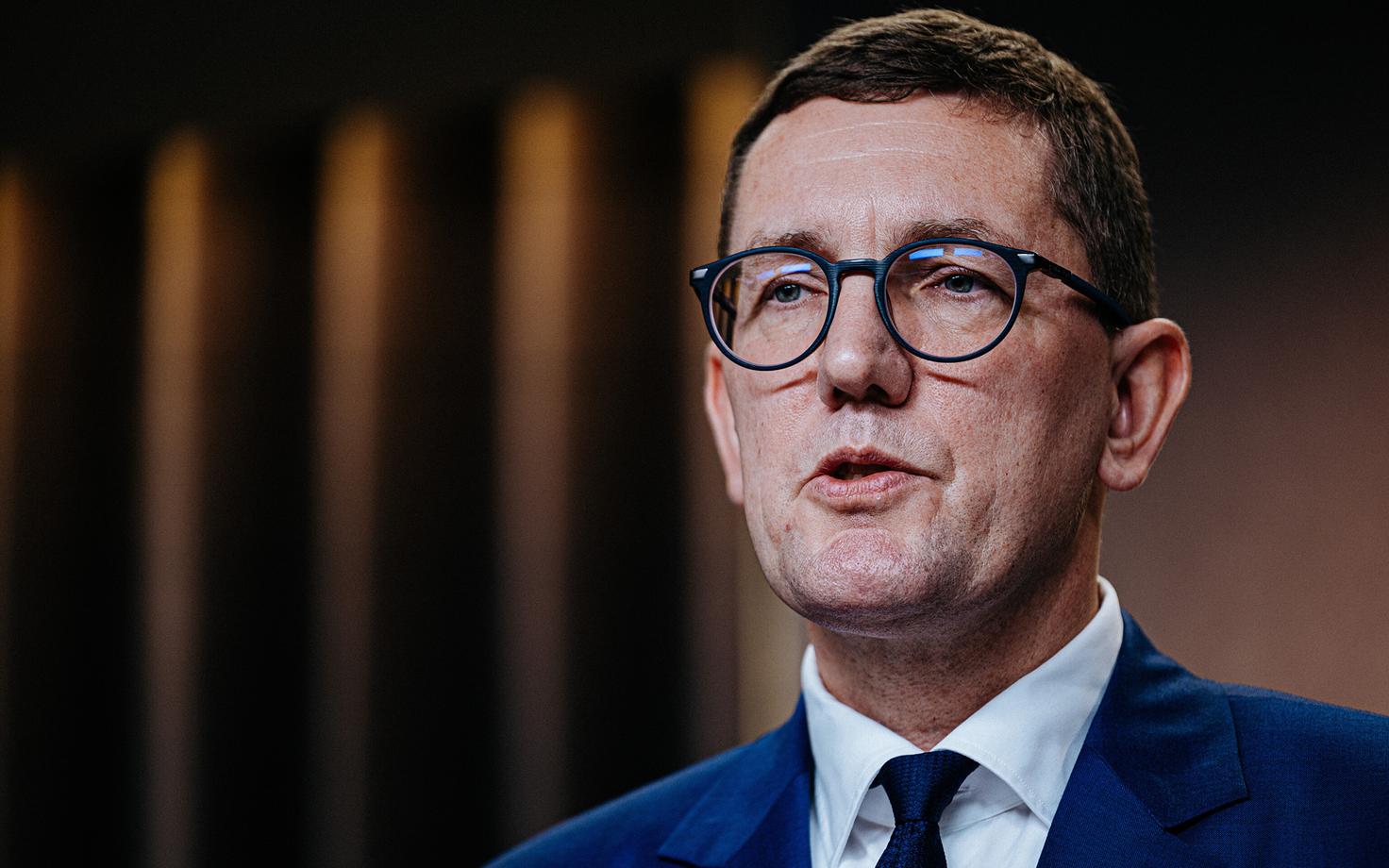
Prime Minister Kristen Michal (Reform) said Friday that Defense Minister Martin Herem confirmed his full support for closing Estonia's eastern border with Russia from December 1.
Speaking to ETV's "Aktuaalne kaamera," Michal addressed speculation sparked by an earlier opinion piece in which Herem warned that emotional debates over border closures risked feeding into a Russian information operation.
Why did the eastern border closure have to happen right now?
Russia is not doing well on the front, hybrid attacks in Estonia and across Europe have intensified, and we have responded step by step — reducing checkpoint opening hours and introducing full customs controls. As events in Poland and Denmark show — missiles in one and assassination attempts in the other — Russia is very active in hybrid attacks across Europe.
If I remember correctly, you already issued instructions at the start of the week to prepare for closing the border — yet the Latvians who tried to attack defense industry company Threod did not come from Russia.
The Latvians still came from Latvia — four Latvian citizens and the rest not Latvian citizens — but on Russia's orders. What matters is who gives the orders, and people who are easily influenced are typically used for that. Another major threat to our security is that Russian special services carefully screen people crossing the border and try to sway them into cooperating.
Defense Minister Martin Herem has expressed the view that Estonia is overreacting by closing the border, and that this overreaction works in Russia's favor and to Estonia's detriment.
I spoke with Martin Herem. He confirmed to me that he supports our steps, without any doubt. And he said he may also have been misinterpreted. Russia's task — let's not create any doubt — is to generate this exact confusion not only in Estonia, but in other European countries too, so everyone suddenly debates whether we should be friendlier or even more submissive toward Russia so they won't attack our industries. We will certainly not take that attitude.
Critics say this is also a convenient moment to boost the Reform Party's approval ratings.
Let's put it this way: Russia's military intelligence service, the GRU, is probably not trying to boost the Reform Party's ratings by attacking our factories.
What relief measures might the government offer local residents and businesses?
That package is being put together. Part of today's Cabinet meeting was spent discussing it; it could mean financial aid as well as support measures for various programs in southeastern Estonia and Ida-Viru County.
What do you say to people who have loved ones on the other side of the border who need care? Roughly 20,000 Estonian citizens reportedly live permanently or temporarily in Russia.
The war is in its fifth year. As feedback from the ground and many news reports have shown, people have long expected this, because the border window has been narrowed step by step due to Russia's hostile actions. And let's be honest — Estonia has acted calmly, confidently, and even a bit more slowly than it sometimes might have. We have long tried to send the signal that people should behave reasonably — our defense capabilities and defense investments must not be attacked on NATO territory.
Are you prepared for tensions to rise in Narva and for people to be dissatisfied?
We are doing everything we can to ensure that does not happen. The problem, however, is Russia and Putin, not anywhere else.
Background:
In the opinion piece published on ERR News earlier Friday, Herem argued that while the GRU-linked arson attack on Estonian drone manufacturer Threod Systems failed to cause major material damage, Moscow's real objective was to trigger divisive domestic debates over border policy and drain state capacity. Estonia's government decided Friday to suspend road border crossings with Russia for six months from December 1.
Meanwhile, Latvian Prime Minister Andris Kulbergs urged the European Union on Friday to close its borders to all Russian citizens, telling German daily Die Welt via POLITICO that the bloc cannot properly screen the hundreds of thousands of Russian tourists still entering Europe amid escalating hybrid attacks.
--
Follow ERR News on Facebook and Twitter and never miss an update!
Editor: Andrew Whyte, Marko Tooming
Source: 'Aktuaalne Kaamera'


