Estonian PM warns Europe against falling for 'security' talks with Russia
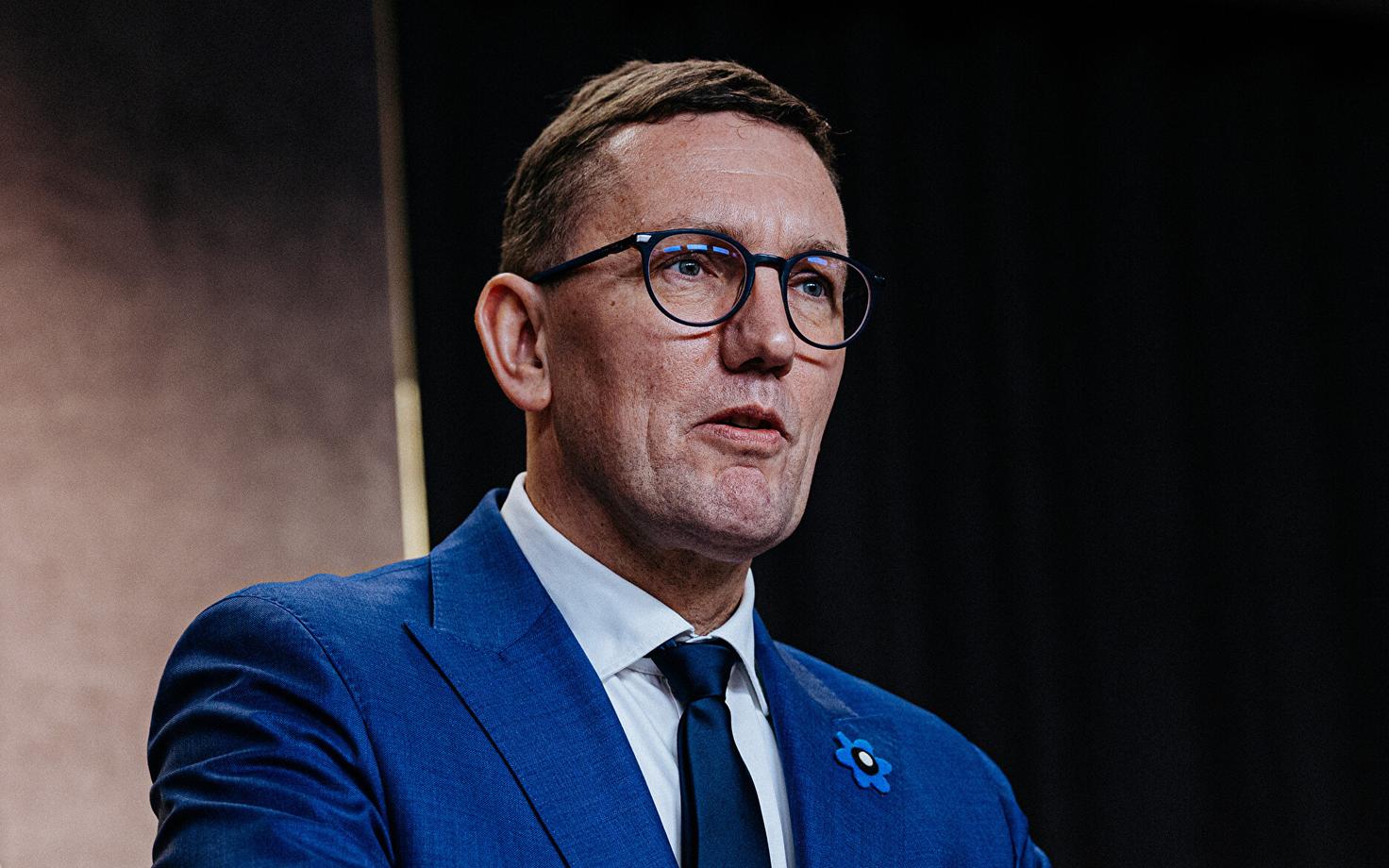
Entertaining Moscow's demands for talks on European security could make bargaining chips of the Baltics and Poland, Estonian Prime Minister Kristen Michal (Reform) has warned.
In an opinion piece published in The Economist this week, Michal urged Europe to prioritize supporting Ukraine, including in any negotiated end to the war and on its path to EU and NATO membership. He compared Moscow's demand for security talks as a precondition for peace to an arsonist wanting to discuss a burning building's design before putting out the fire.
The prime minister argued that Europe's security architecture is already established through agreements such as the 1975 Helsinki Accords, the 1990 Paris Charter and even the 2002 NATO-Russia Council (NRC).
"Western countries stuck to these deals," he said. "Russia ripped them up."
Michal noted that Russia's previous calls to limit NATO influence to the east would effectively create two tiers within the alliance, leaving eastern members in a "NATO-lite whose members' defense rests on empty promises."
While acknowledging that Russia's latest round of demands — including regarding NATO's eastern flank — are gaining a hearing, he warned that discussion isn't harmless, and that allowing Moscow a say in Europe's security would also put the security and sovereignty of the Baltic states, Poland and other countries back on the negotiating table as a bargaining chip.
"Estonia," he added, "knows very well what happens when its fate is settled by others."
Moscow trying to distract and divide
Michal stressed that while Russia will try to shift the blame, the key to ending the war already lies in Moscow, so peace in Ukraine must remain the priority.
He urged European countries to keep arming and funding Ukraine while continuing to pressure Russia using other available means, adding that giving in to Russian pressure would only invite further demands.
"A demand for talks on 'architecture' is meant to distract us from all of this, and to divide us over it," he pointed out.
The Estonian leader also warned against yielding to Russian pressure and threats, noting that "a state that yields to blackmail will be blackmailed again."
Circling back to the burning house analogy, Michal emphasized that no one sensible would negotiate blueprints with the arsonist while the house is still burning.
Putting out the fire and holding the arsonist to account must come first, he said, "and only then do you sit down to rebuild, with the people who stayed to fight the flames and not the one who lit them."
--
Editor: Mait Ots, Aili Vahtla


