Estonian homeowners call for right to leave expensive district heating networks
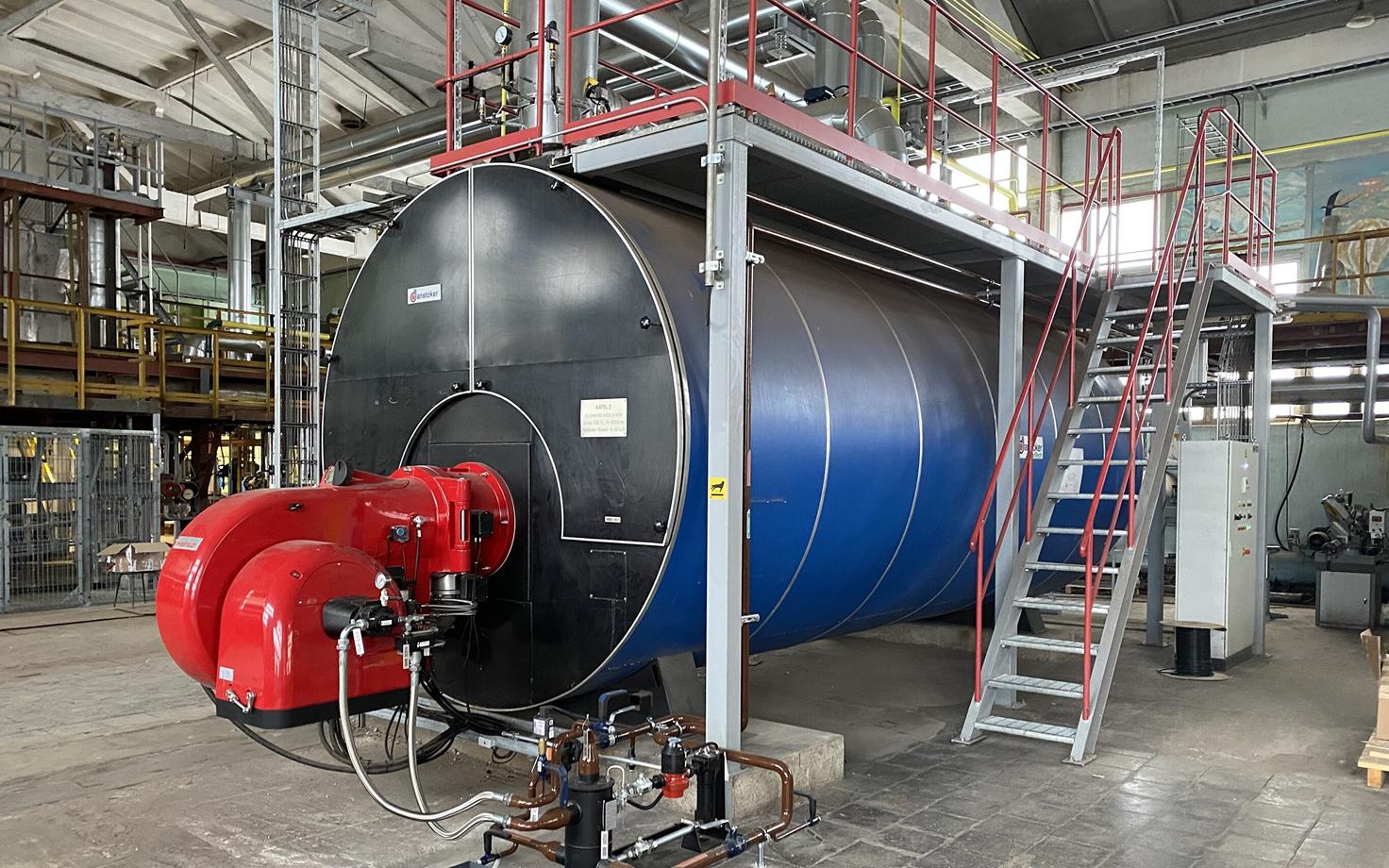
The Estonian Homeowners' Association has criticized the government for delaying district heating reform, arguing that addressing the root causes of high heating costs would be more effective than subsidizing winter heating bills.
The Estonian Homeowners' Association has sent a letter to the Ministry of Climate, pointing out that while the state is prepared to spend more than €6 million on compensating households for winter heating bills, it is simultaneously delaying reform of the heating sector that would address the root causes of high prices.
Andry Krass, head of the association, said many residents could heat their homes much more cheaply, for example, using an air-source heat pump. However, if their heating comes from a renewable source, they are not legally entitled to disconnect from the district heating network.
"By establishing district heating zones, the state has prohibited residents from buying heat from anyone other than the monopoly heating provider," Krass said.
Another problem is that allowing consumers to disconnect from expensive district heating networks would drive up heating prices even further for residents who remain connected. According to Krass, this happened in the village of Tarbja, five kilometers from Paide, where heating costs twice as much as in Paide.
"Many district heating zones in Estonia are not sustainable and the primary goal of this reform must be to find a solution for these areas — how to phase out these district heating networks while ensuring that consumers continue to have heating and can make a reasonable transition to a new heating system," he said.
The Estonian Homeowners' Association has also proposed a concrete solution.
"We believe the issue of district heating zones should be addressed alongside building energy efficiency. Renovation subsidies should be directed toward areas where heating prices are high and district heating networks are unsustainable in the long term. Support should be provided both for renovating buildings in these areas and for switching to independent heating systems," Krass said.
Krass said the Ministry of Climate had actually presented some ideas for district heating reform a year ago.
"There was just one problem: No solution was offered for consumers who would remain connected to the district heating network and could not afford to switch to an independent heating system. We pointed this out and the ministry lost interest in pursuing the reform after that," Krass said.
According to Krass, the Estonian Homeowners' Association has also presented the government with the idea of directing renovation subsidies toward areas with unsustainable district heating networks and has received feedback from the ministry.
"They look down at the floor. That's their reaction. Or they say they have to protect the investments made by heating monopolies. The Competition Authority has told us that its job is to ensure the profitability of heating monopolies. Those are the responses we've received," Krass explained.
Rein Vaks, head of the Ministry of Climate's energy department, said that if the entire problem could be solved with a single legislative amendment, the state would already have done so. He said cities and municipalities have the primary responsibility for addressing the issue, while the state mainly provides advice and support.
"Each area needs to be assessed individually. It is extremely difficult to simply turn to the ministry and say, 'Please amend the law and everything will be fine.' It just doesn't work that way," he said.
The state cannot introduce new subsidies at present because it lacks the funds. Vaks said the ministry is currently in talks with the European Commission about securing financial assistance for communities like Tarbja during the next EU budget period.
"We want to ask the European Commission whether replacing unsustainable district heating networks with local heating solutions would be eligible for funding and whether any money could be allocated for this purpose. These discussions with the commission will begin in December and continue until next spring," Vaks said.
--
Editor: Marcus Turovski


