Kopli lines residents pay 40 percent more for heating than rest of Tallinn
Residents of Tallinn's Kopli lines pay more than 40 percent more for distrcit heating than other customers, thanks to being less than a kilometer away from the capital's main heating network.
Even connecting them to the city network would cost €2 million, the capital's leaders say.
District heating involves hot water being piped into apartment blocks for heating only; the Kopli lines area lies on the Kopli peninsula and has its own network with hot water provided by a separate boiler house.
The two networks are about 900 meters apart, but the city says it cannot force private companies to sign the technical agreements needed to hook them up, and is waiting on the developer.
Deputy Mayor Kristjan Järvan (Isamaa) told the Russian-language "Aktuaalne kaamera" that the distance between the two heating networks is roughly 900 meters, adding that the city cannot compel private companies to conclude the necessary technical contracts. He said the connection would require an investment of nearly €2 million.
Infrastructure firm Utilitas, which is part-owned by the city, confirmed there are no technical obstacles to connecting the Kopli lines to the city's main network. The company says it is ready to discuss options but is waiting for initiative from the owner of the local infrastructure, the developer Fund Ehitus.
That developer says it expects heating costs to fall over time as the area is further developed. The project's second stage includes new homes, shops, cafés and a kindergarten. Fund Ehitus managing director Reigo Marosov said a larger number of customers would allow boiler house maintenance costs to be spread across more residents.
Residents, however, do not want to wait for construction to finish. Pille Jansen Koppel, a board member of Kopli Liinid, an NGO representing local residents, said about a quarter of heating costs goes on rent for the boiler house and heating infrastructure, which SW Energia pays to Fund Ehitus, and which is added to home consumers'' bills.
SDE city deputy Joosep Vimm said he calculated that over the past year Kopli lines residents have paid about €85,000 more for heating than they would have on the city network. He believes Tallinn should take a more active role in finding a solution, partly because the city owns a third of Utilitas Tallinn Soojus.
Kopli lines heat costs €109.65 per megawatt-hour. The main Tallinn network operates at €77.82 per MWh until 16 November.
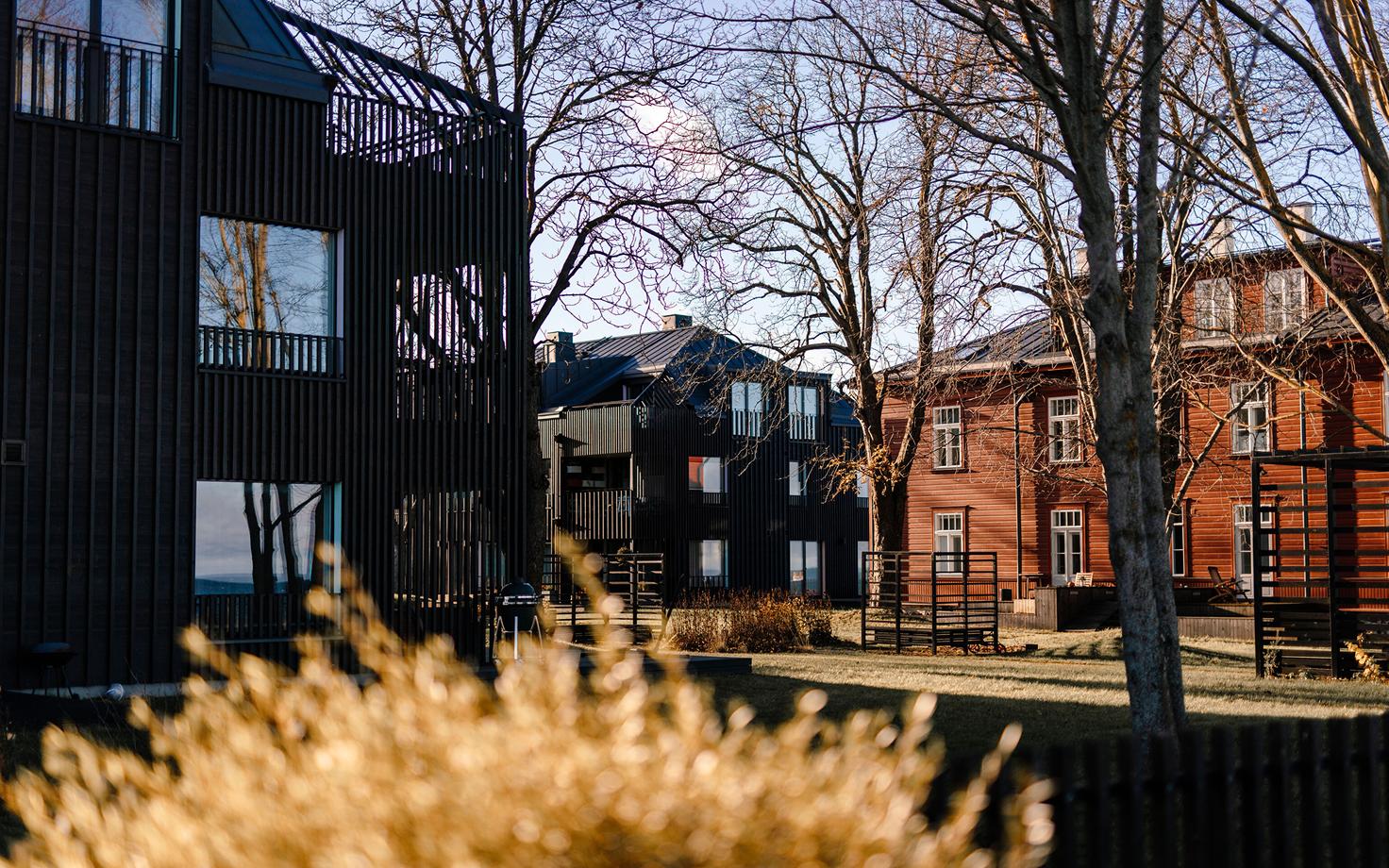
Formerly workers' barracks, the Kopli Lines (Kopli Liinid) consist of half a dozen streets located at the northwestern end of the Kopli peninsula in North Tallinn (Põhja Tallinn). Much of the housing stock is made up of older, mostl wooden houses, though there are new builds too.
--
Follow ERR News on Facebook and Twitter and never miss an update!
Editor: Andrew Whyte, Karin Koppel


