New rule lets inmates use nicotine pouches, eases night checks
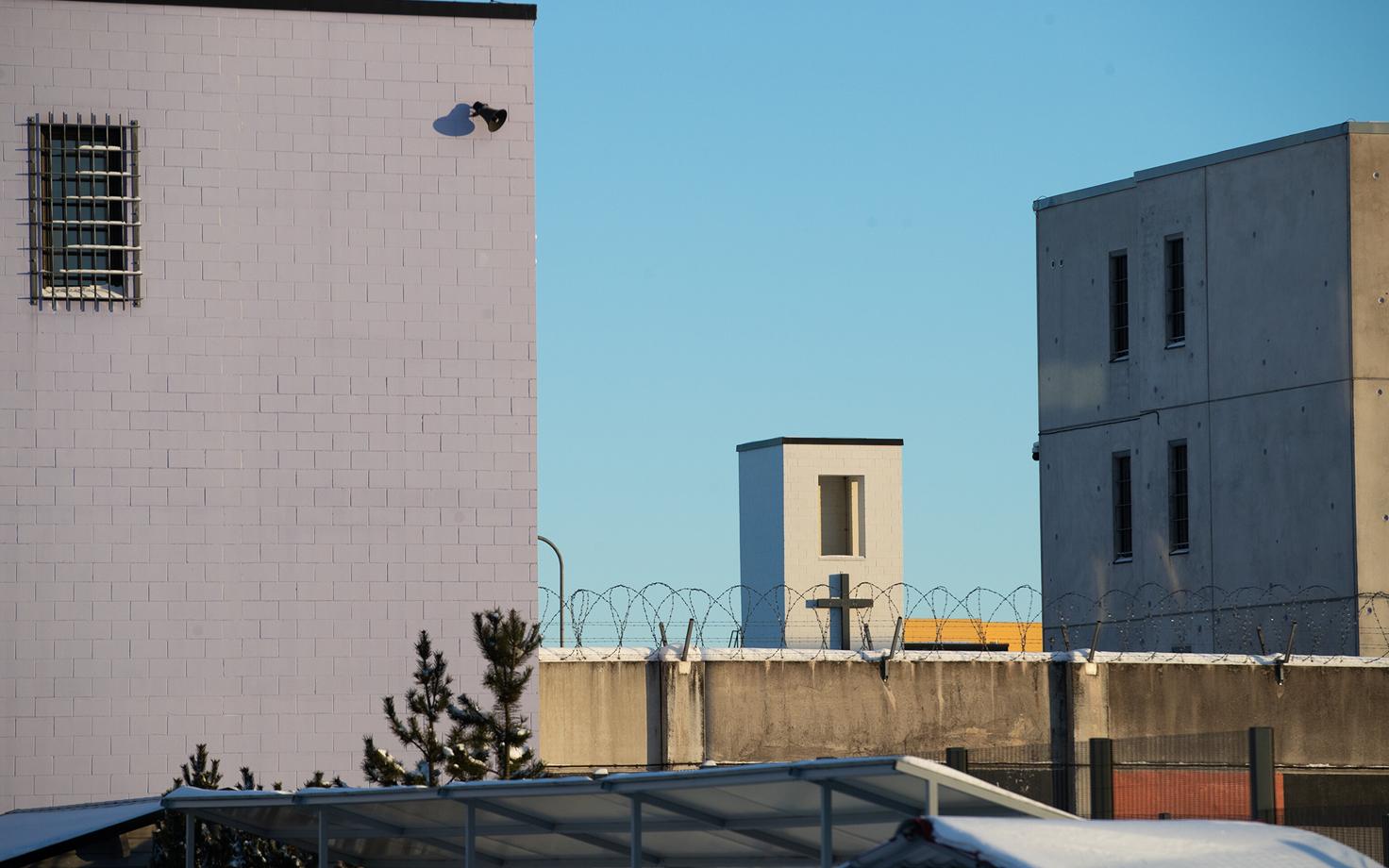
Estonian prisoners gain access to nicotine pouches and uninterrupted sleep thanks to Swedish inmates.
The Ministry of Justice has sent for approval a draft regulation that would allow all Estonian prisoners to use nicotine pouches and take them along to visitations, just like Swedish inmates. The draft also aims to reduce unnecessary disturbances to prisoners' nighttime rest and privacy.
Possessing and using nicotine pouches was previously prohibited in Estonian prisons. Since Swedish inmates — who are allowed to use nicotine pouches — have arrived at Tartu Prison, Estonian prisoners may now receive the same permission.
This creates a need to allow nicotine pouches to be taken to visitations. Keeping the ban would require checking before each visitation whether a prisoner has nicotine pouches, confiscating them, storing them, and returning them afterward.
The draft regulation of the Minister of Justice and Digital Affairs states that because nicotine pouches are small and permitted to be carried inside the prison, searching for them would be difficult and would create unnecessary workload.
Exceptions during nighttime hours
Currently, prison staff must check what is happening in a cell or room during rounds, usually through the door's peephole or viewing window. The draft introduces exceptions for nighttime hours.
During nighttime, officials would no longer be required to check every cell or room during each round. At least once per hour, they would check only the cells of prisoners placed under locked‑cell regime, those serving disciplinary confinement, and those identified as suicide risks. Due to their punishment or risk level, stricter supervision during nighttime is justified.
For other prisoners, checks during nighttime would be carried out only when necessary for security or safety. The change does not prohibit looking into a cell at night — it simply removes the obligation to do so for every prisoner during every round.
Reducing disturbances to rest and privacy
Officials would still be able to perform visual checks if a prisoner's behavior, sounds coming from the cell, or any other circumstance gives reason to believe that a check is necessary for the safety of the prisoner, others, or the security of the prison.
The goal of the amendment is to make nighttime supervision risk‑based and reduce unjustified disturbances to prisoners' nighttime rest and privacy.
--
Editor: Merilin Leetna, Argo Ideon


