Estonia pushes for cybersecurity boost ahead of elections

The government wants to boost investments in cybersecurity, including e‑voting, because attacks against Estonia have become massive. Increasingly, they are also carried out with the help of artificial intelligence.
In March, Estonia faces elections, and voting will again be possible digitally. But technological development has created new risks for the digital state.
"In the past, cybercriminals tried to find security vulnerabilities manually, but now machines do it for them. I must clarify that no fully AI‑based cyberattack has been carried out in Estonia, or at least we have no information about it, but we know of such cases elsewhere in the world," said Information System Authority (RIA) director Joonas Heiter.

Where hacker groups once operated on their own, they now have AI at their disposal, scanning for vulnerabilities on a massive scale. According to Heiter, the number of damaging incidents doubles every year.
But within the government, there is no shared understanding of how to improve the situation. The prime minister said one thing, yet no additional money was added to the state budget.
"The necessary funding exists, and if needed, resources can be shifted within the field," said Prime Minister Kristen Michal (Reform Party).
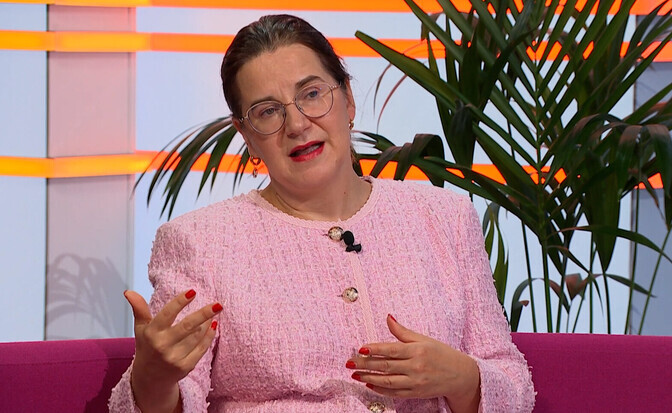
"The Justice and Digital Ministry did not receive additional funds. We are making further cuts, but cybersecurity is indeed exceptionally important, so we are looking for coverage from other existing expenses. We will shut something down to improve cybersecurity," said Justice and Digital Minister Liisa‑Ly Pakosta (Eesti 200).
Improving cybersecurity next year would require an additional five million euros. Over four years, more than 20 million.
Pakosta confirmed that even if this money does not come, funding for conducting e‑voting will still be found.
"If necessary, we will take additional money from the government's reserve fund to protect the elections. The elections will be protected. We need both more technology and people who operate that technology," Pakosta said.

If everything truly goes wrong, the election service also has a plan B.
"We are prepared for all special situations, and ultimately there is a plan B that allows us to switch entirely to paper voting if, for any reason, the system can no longer be trusted," said head of the State Electoral Office Arne Koitmäe.
--
Editor: Johanna Alvin, Argo Ideon



