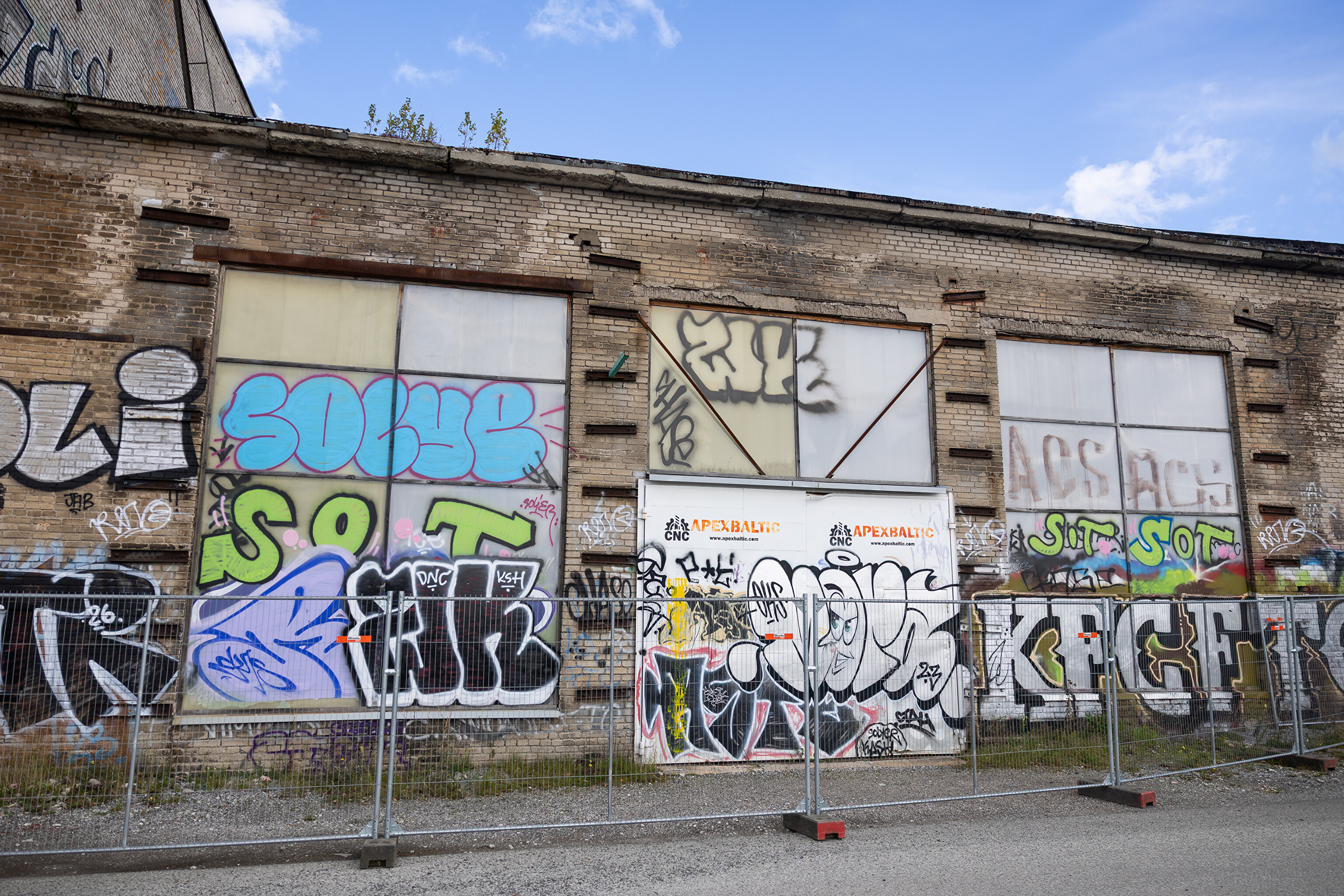
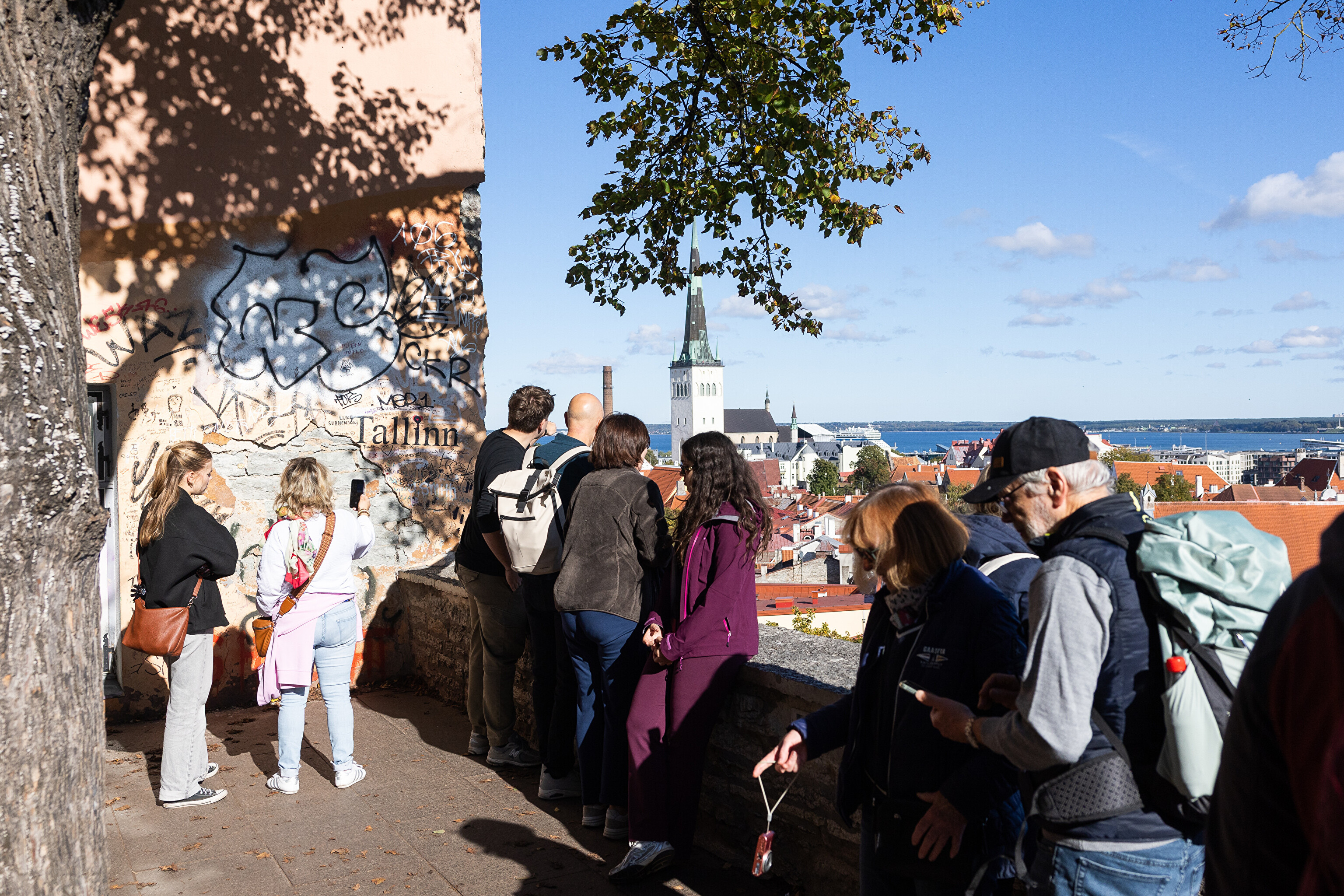
Tallinn mural plan backfires as graffiti artists tag over works


While Tallinn is utilizing city-commissioned murals to reduce graffiti, street artists have responded by painting over them. The university town of Tartu takes a more conciliatory approach.
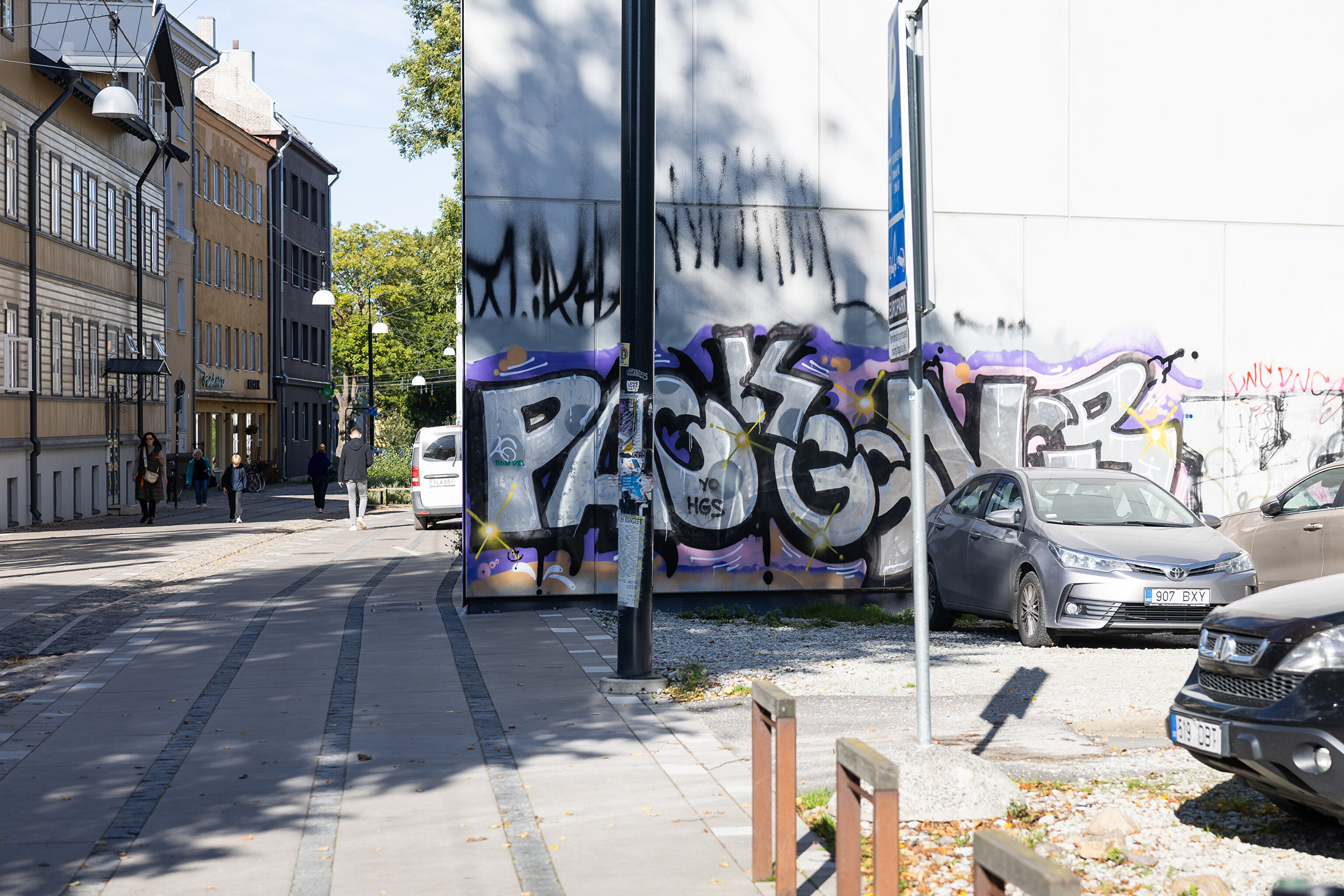
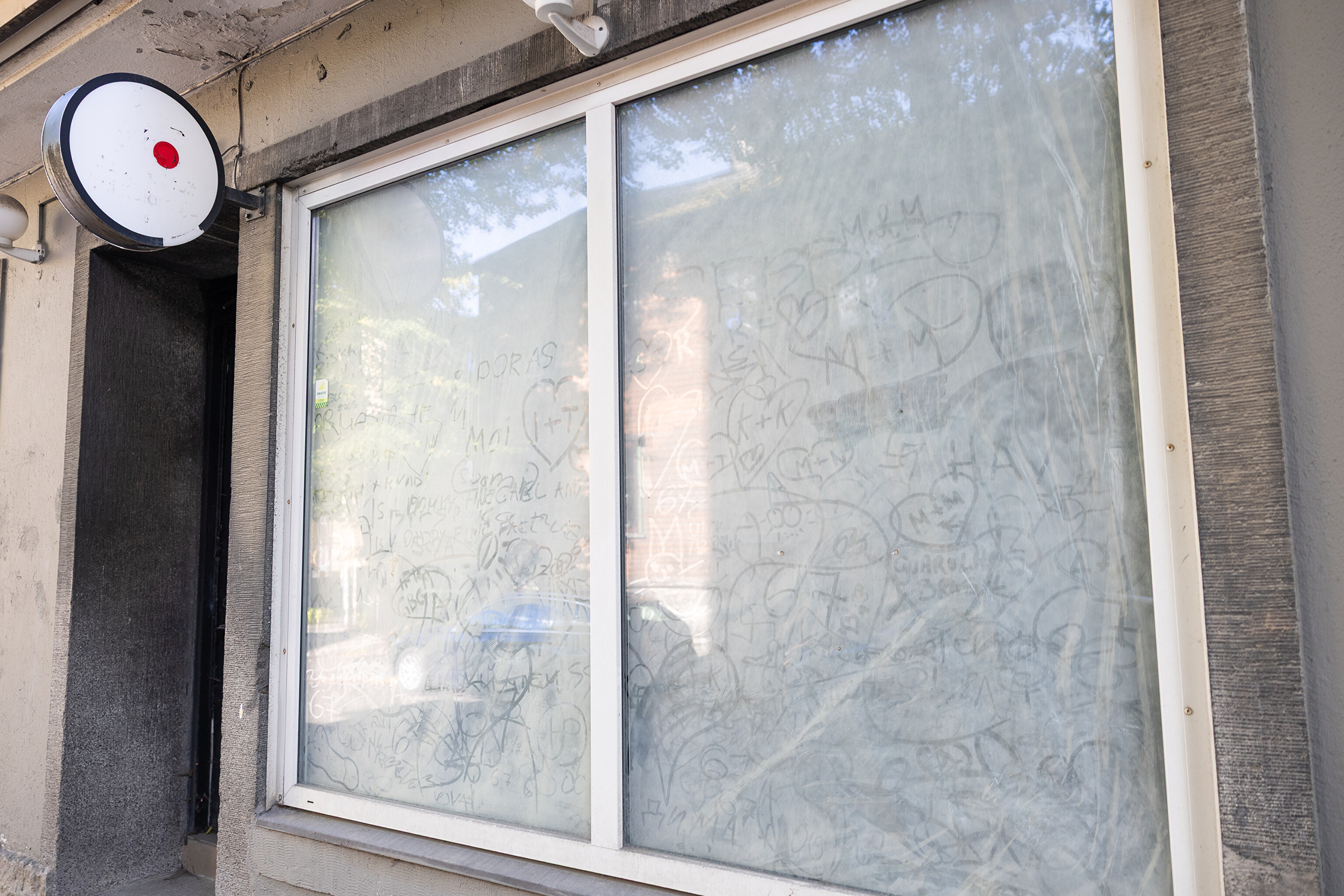
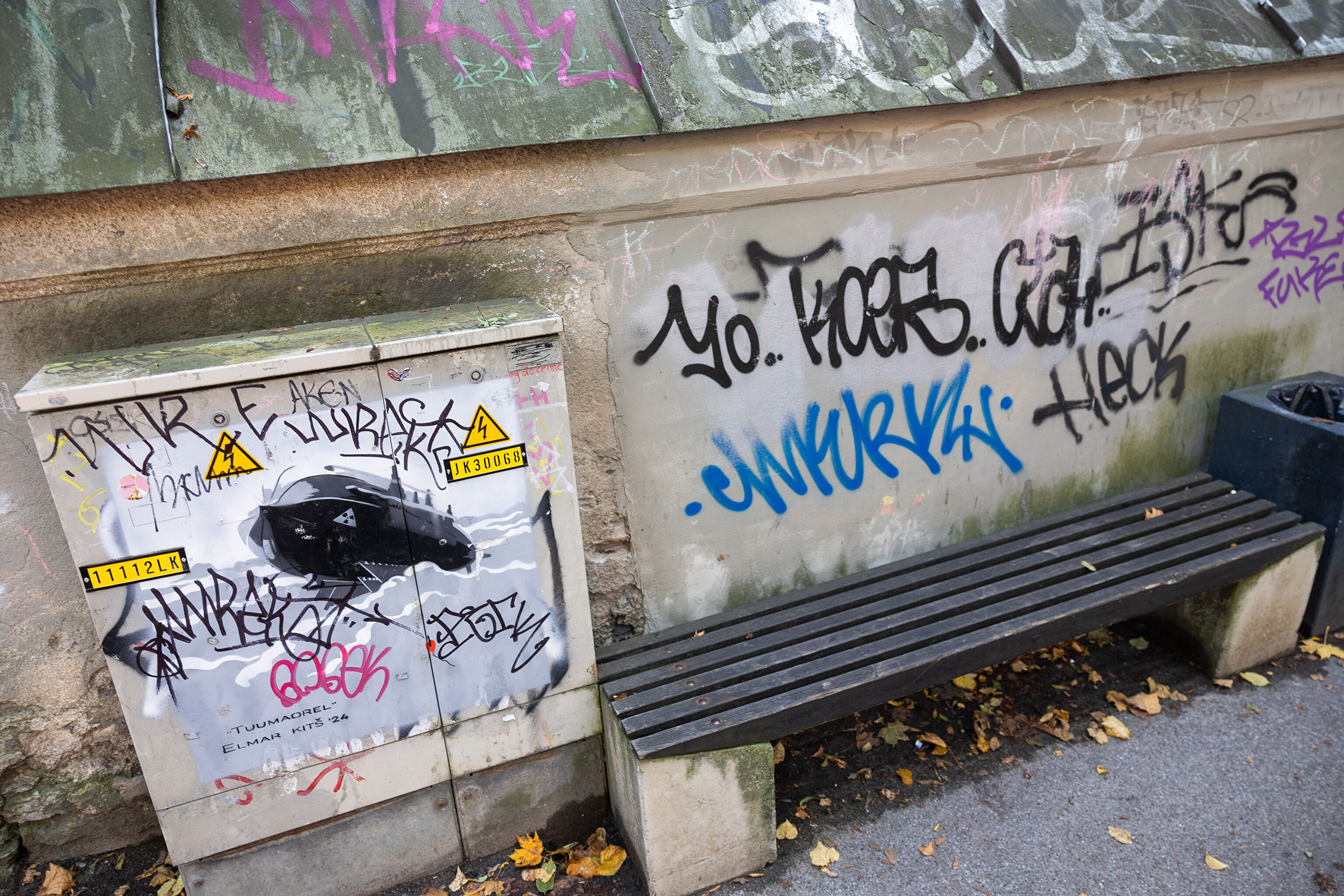
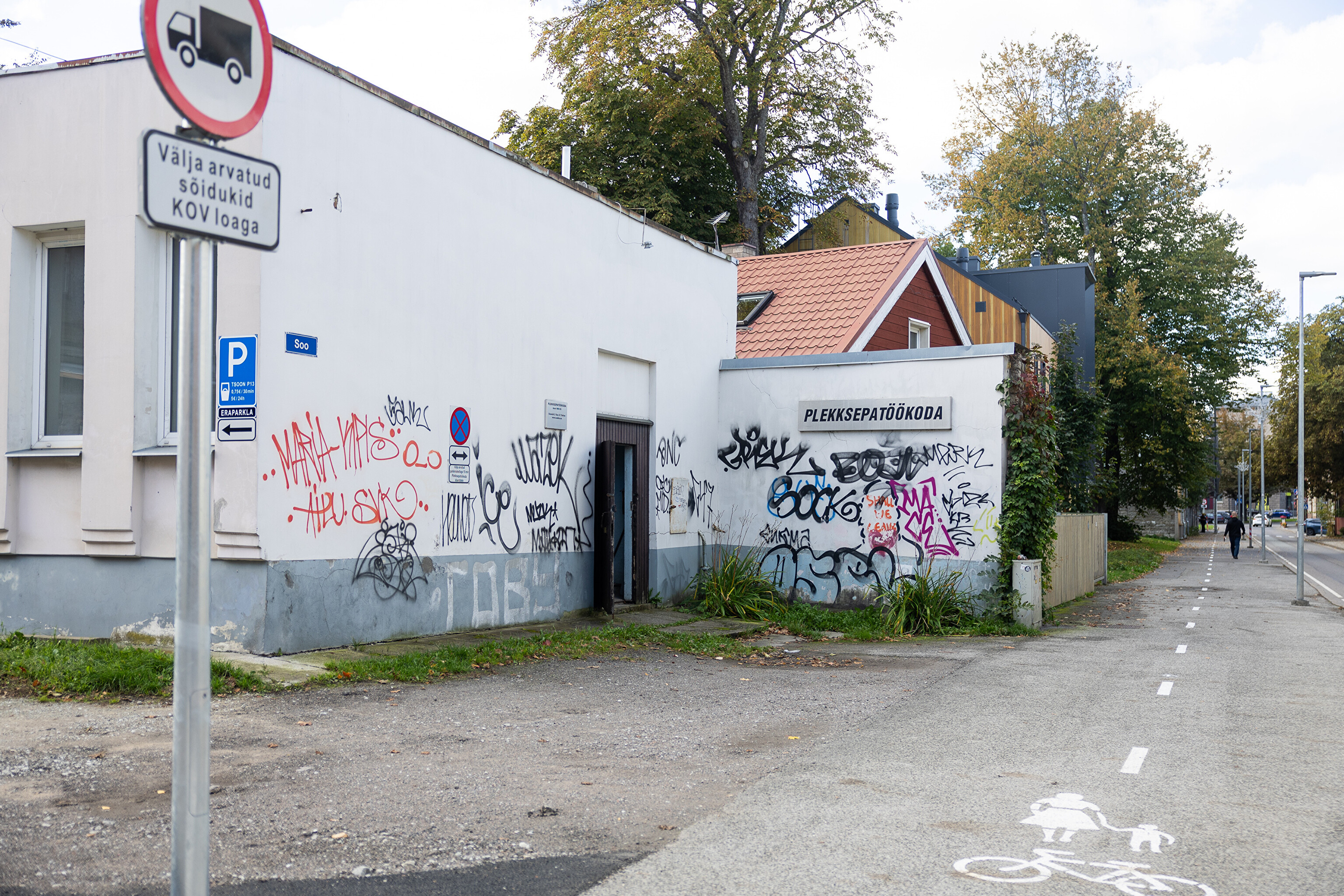
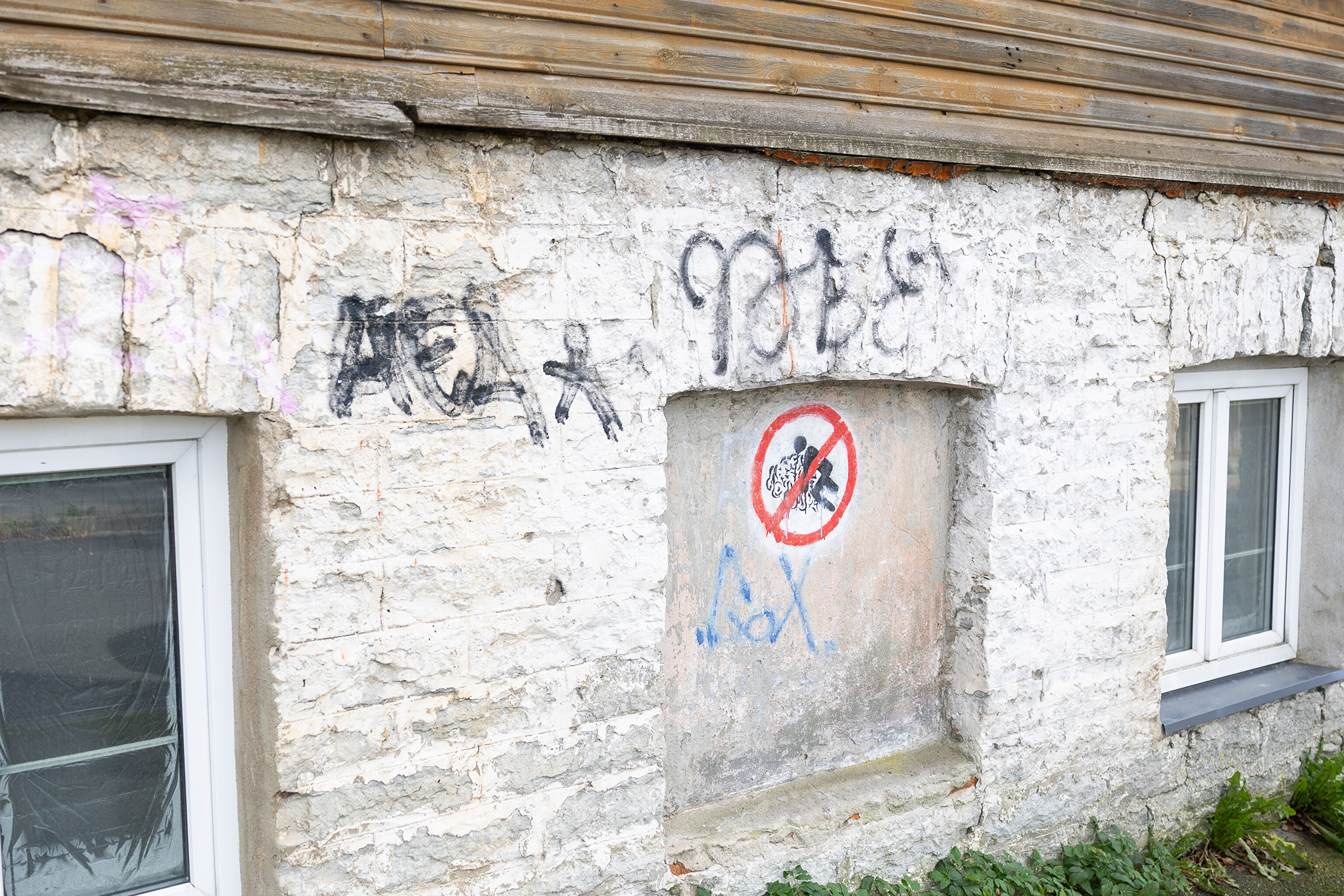
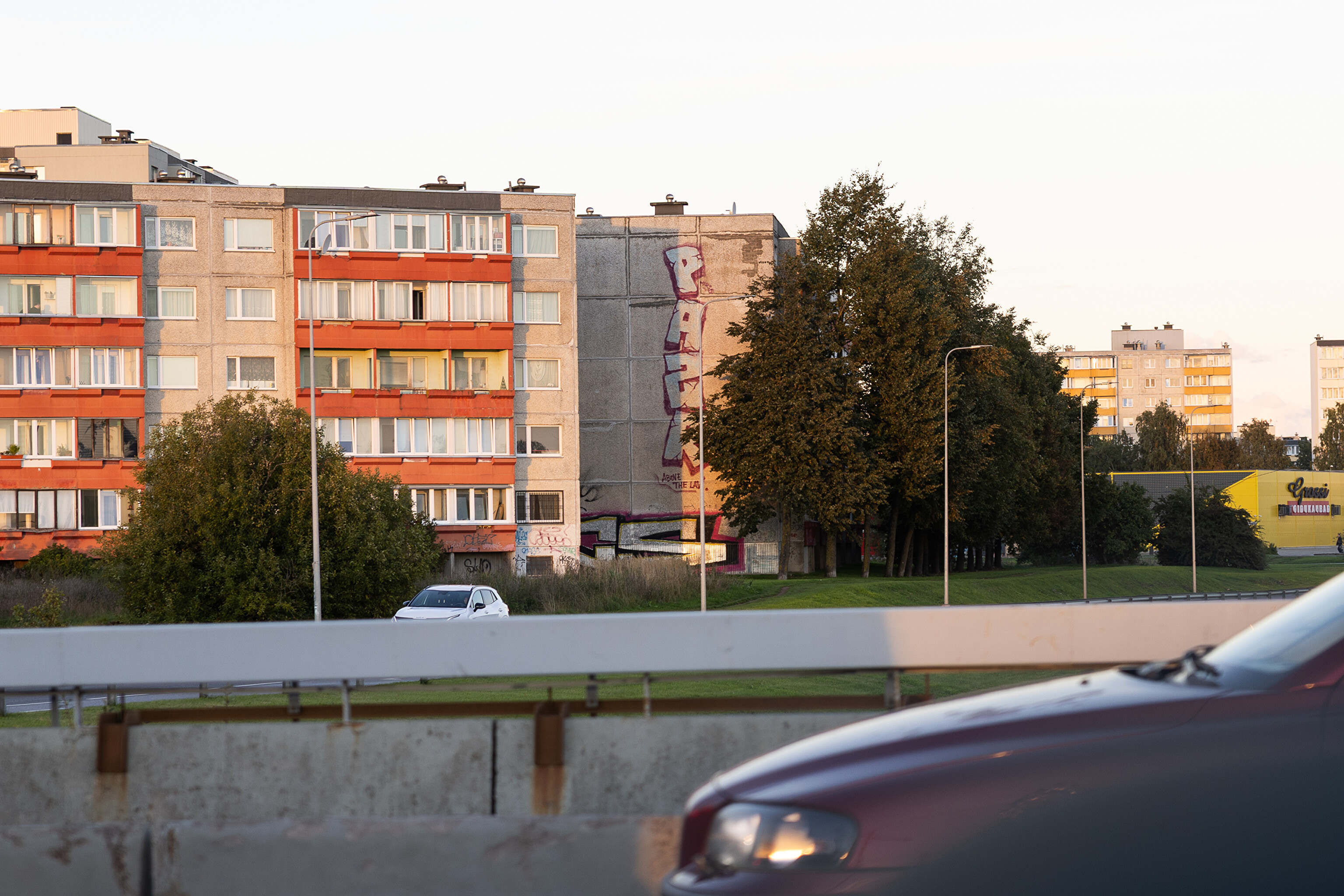
A street artist calling themselves "PASR" has tagged several official murals, telling the city, in English, "You will lose this war," prompting a police report and a cleanup.
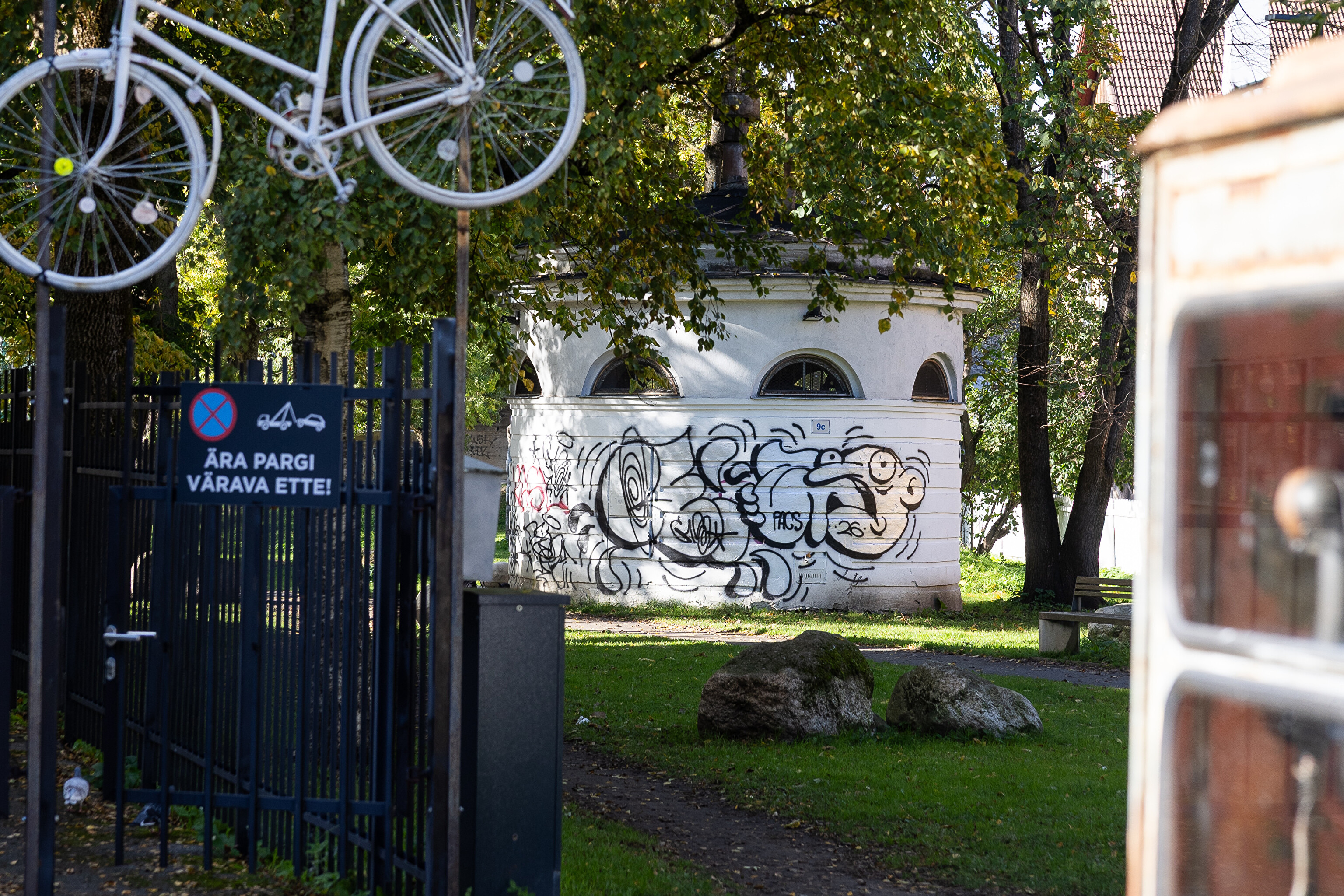
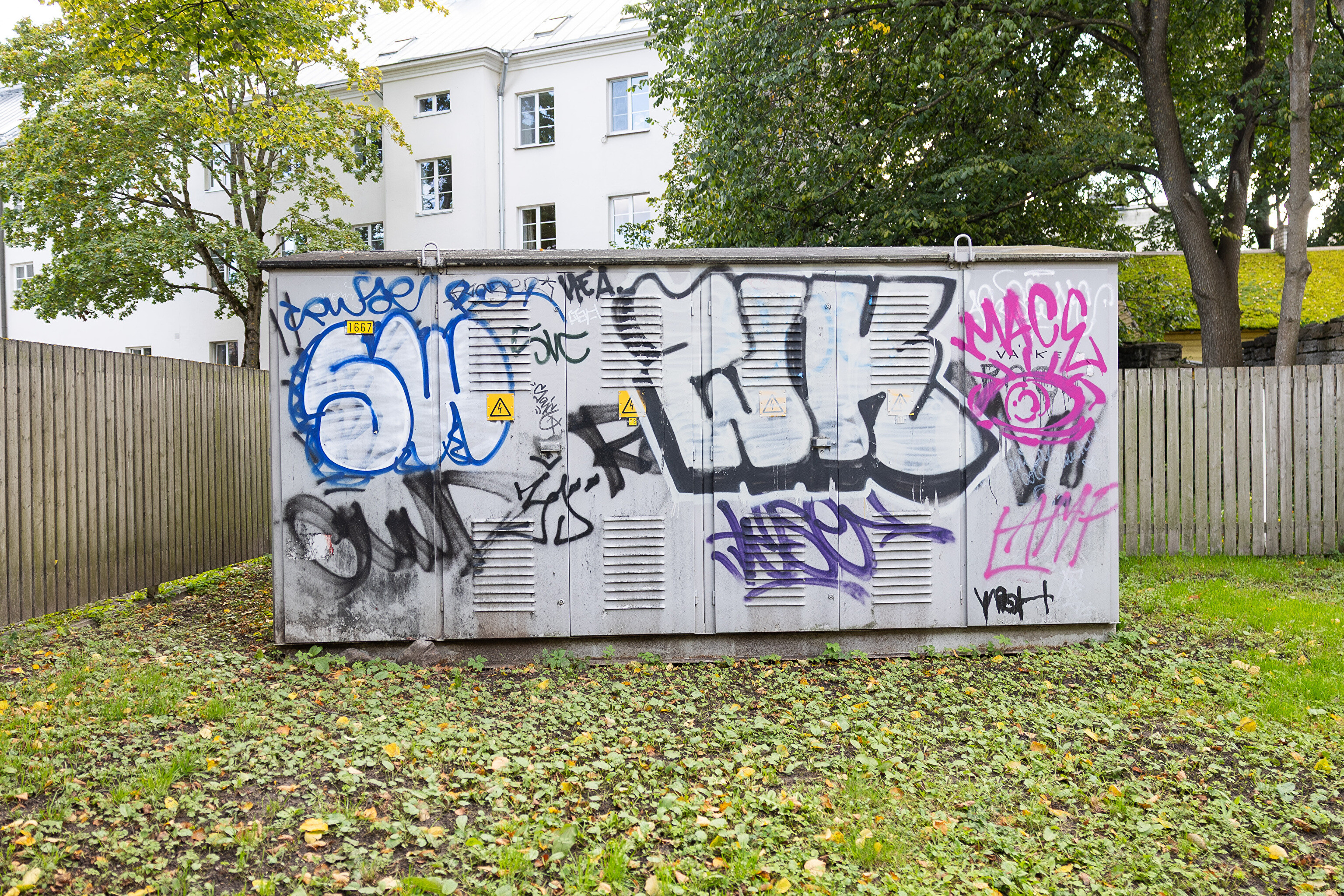
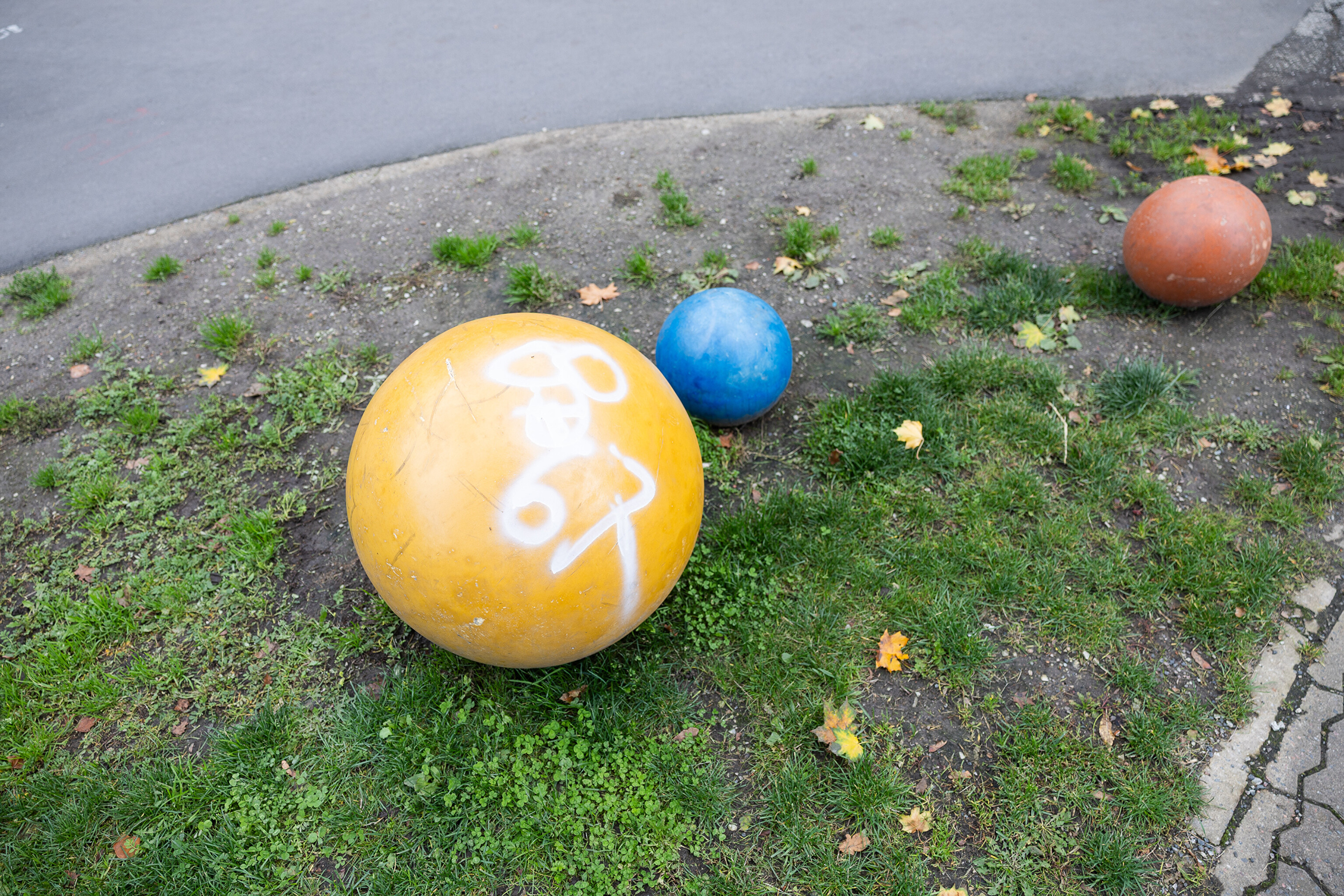
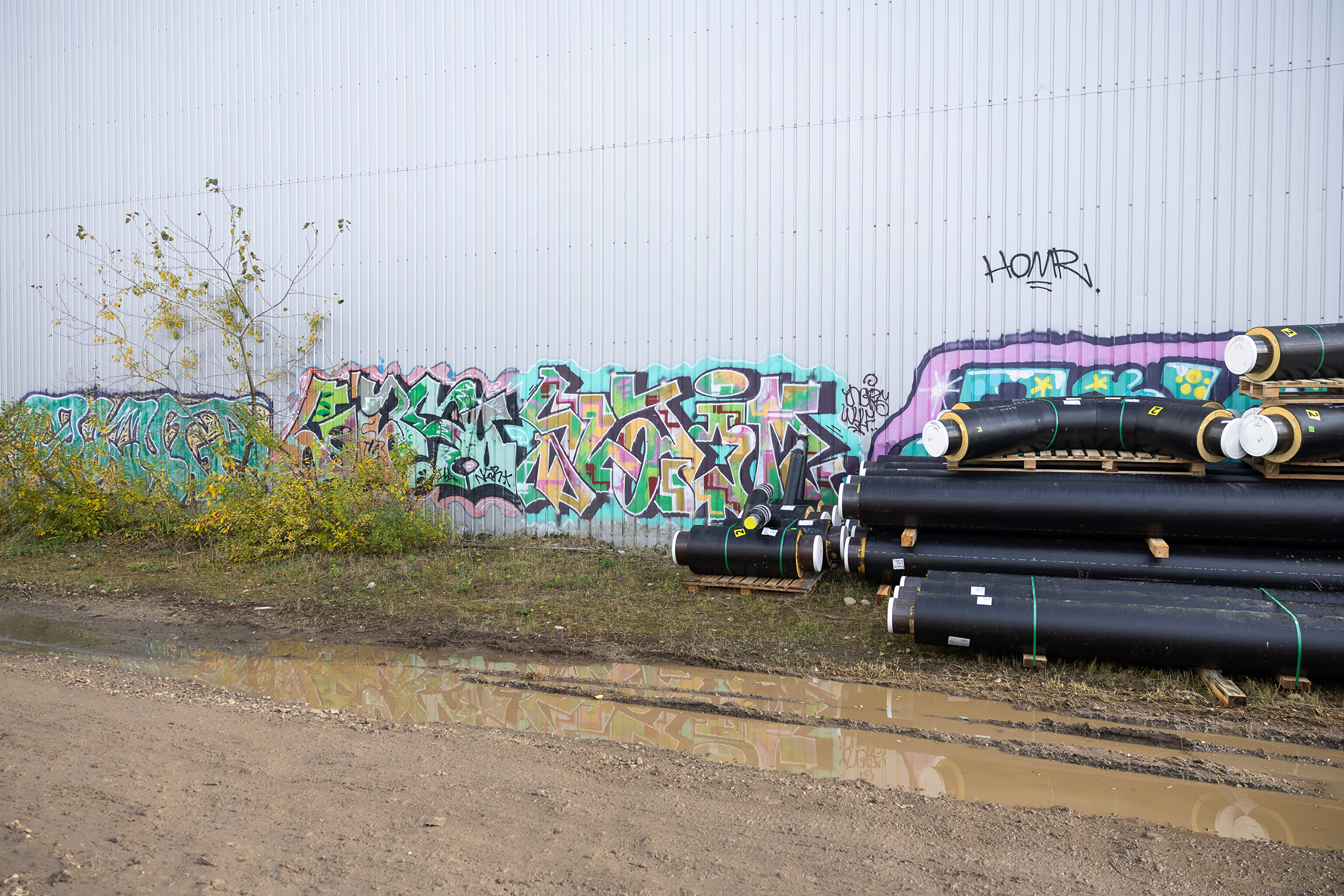
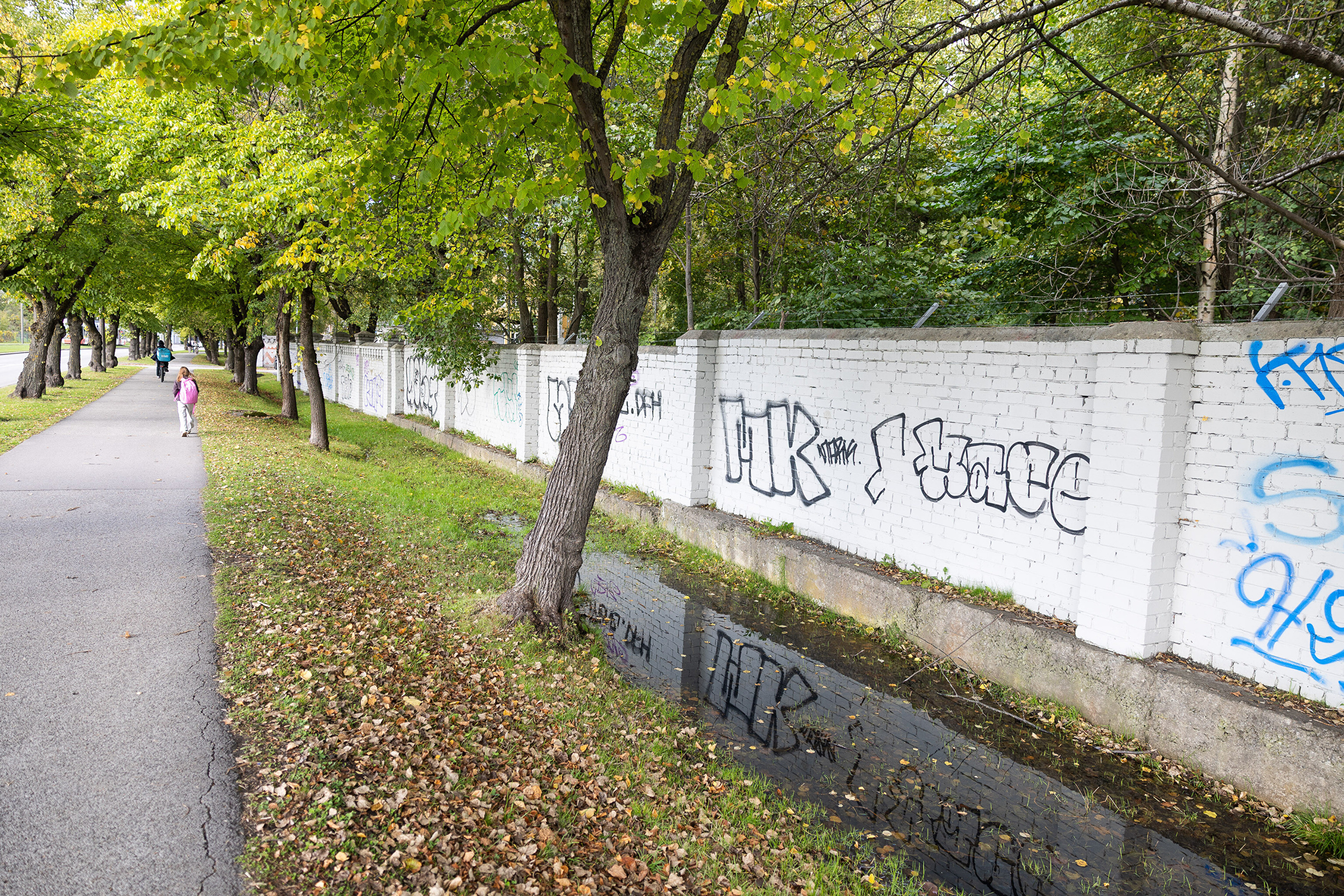
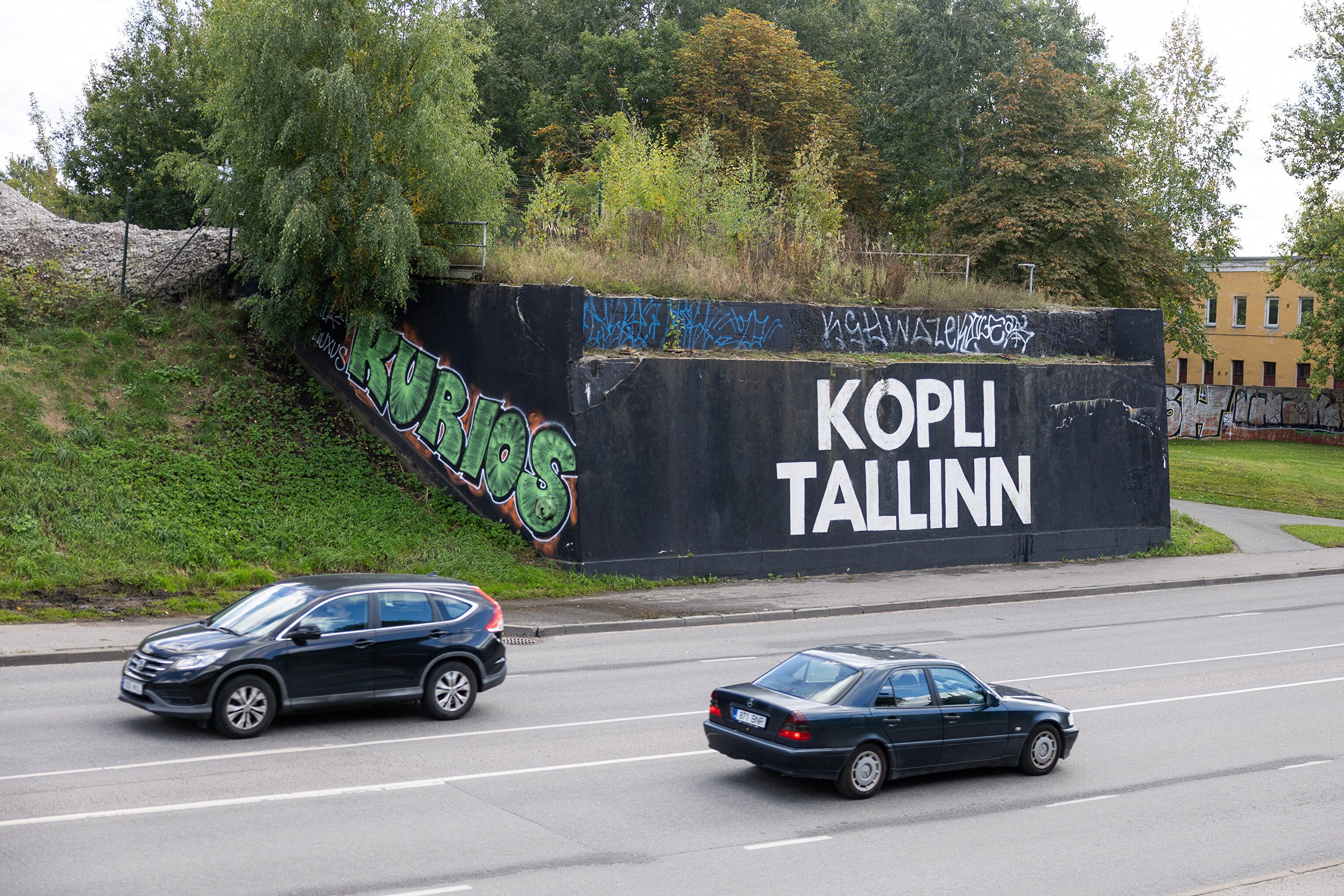
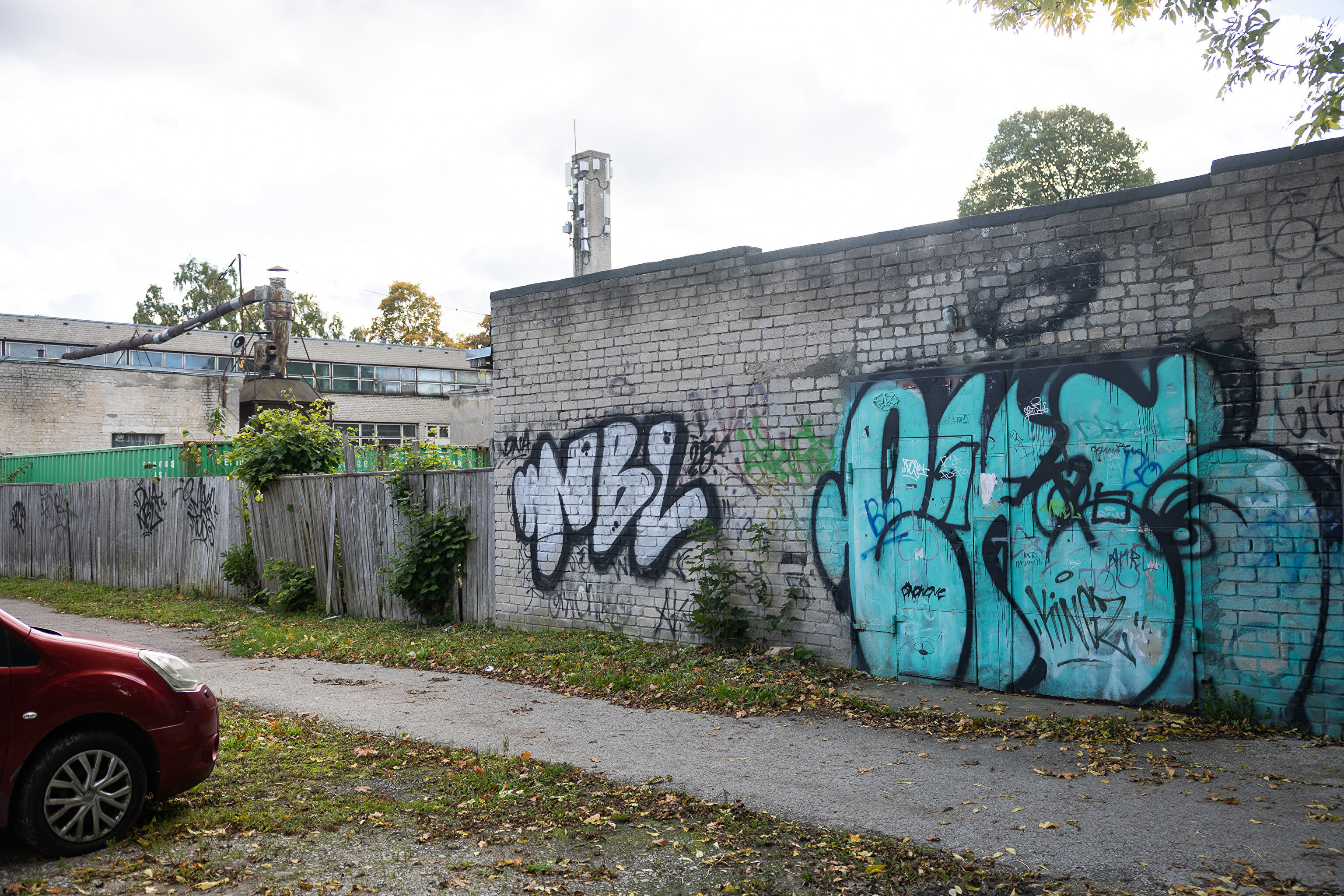
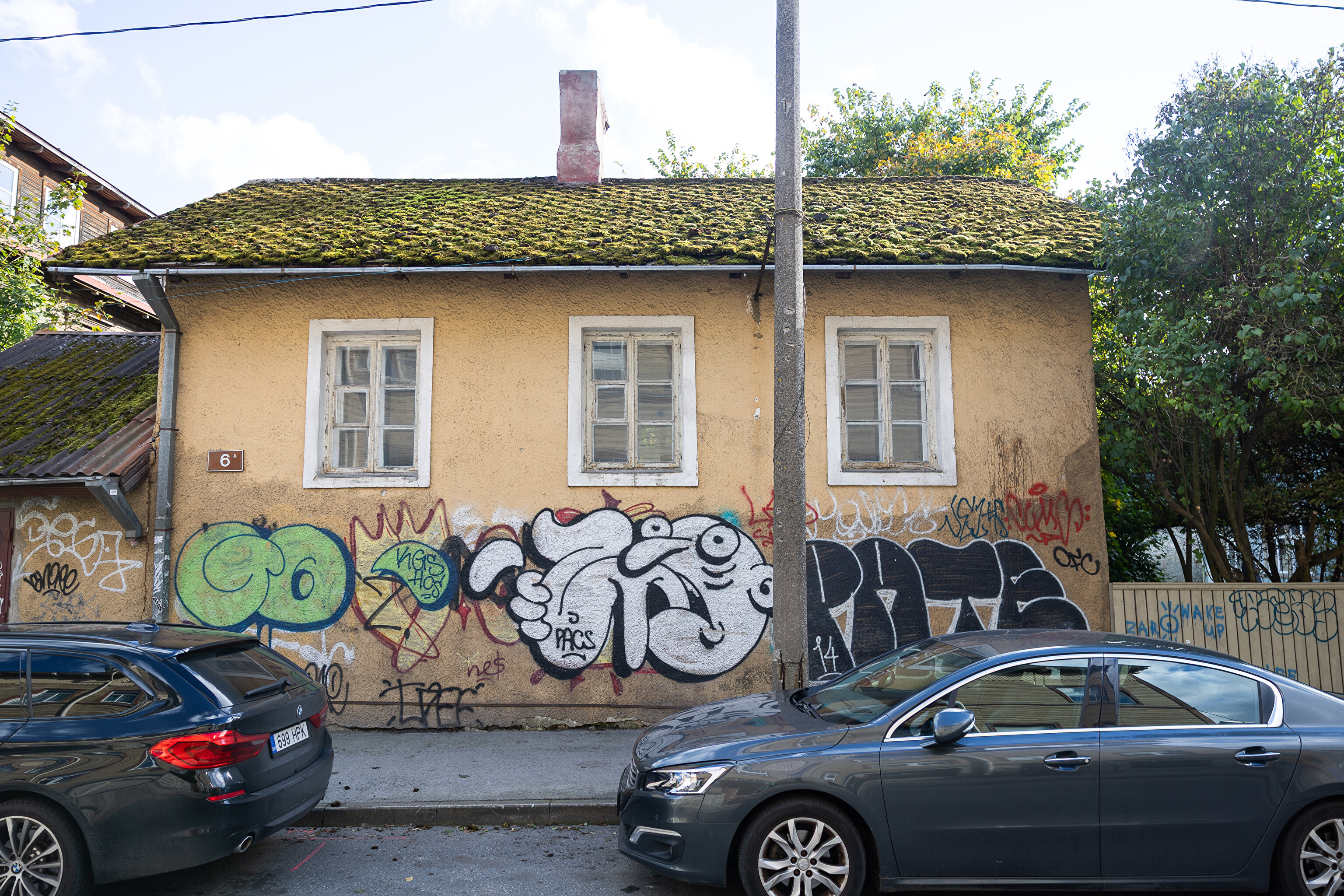
"PASR" joins "CTAH" in being one of the commonly seen graffiti tags in the capital.
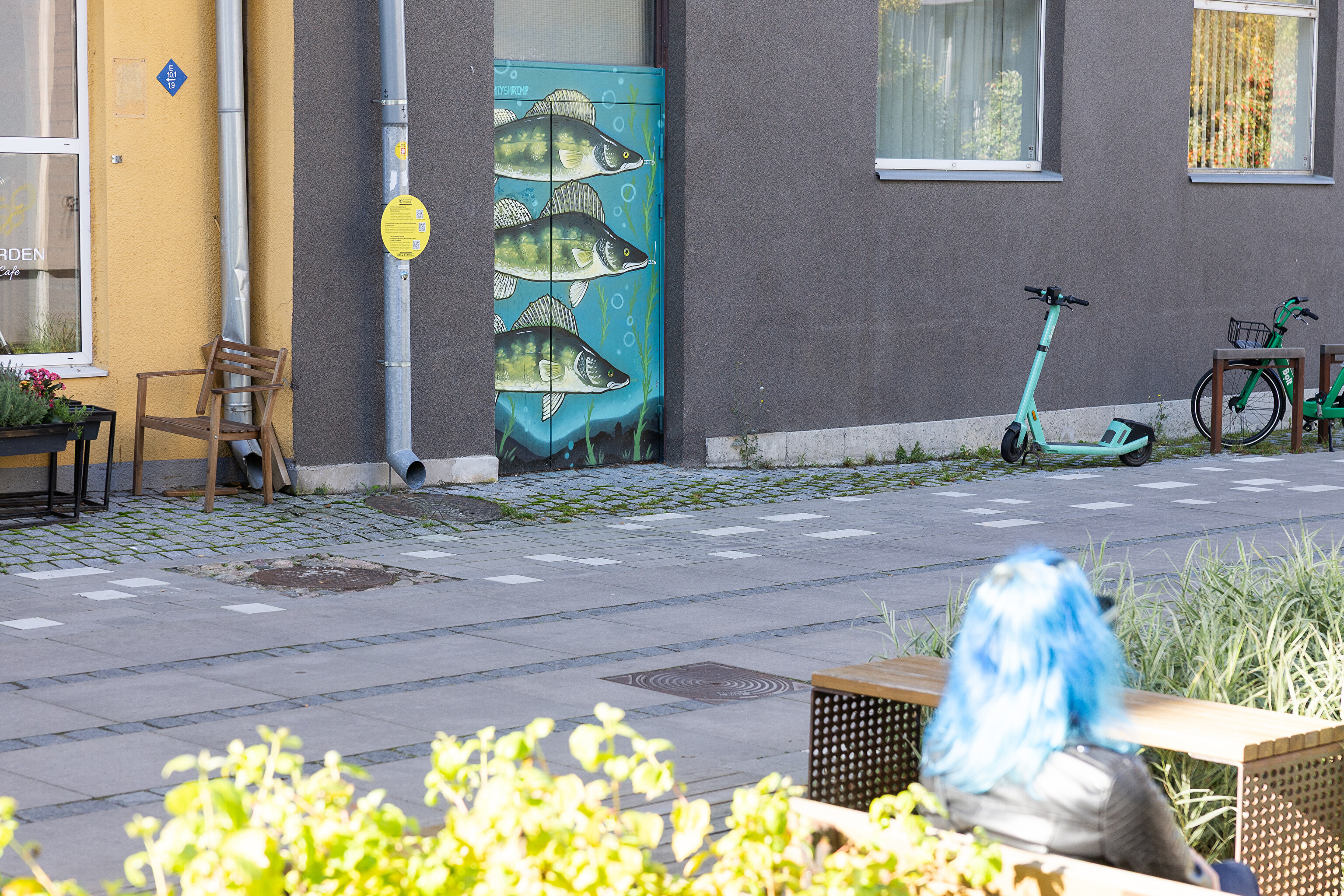
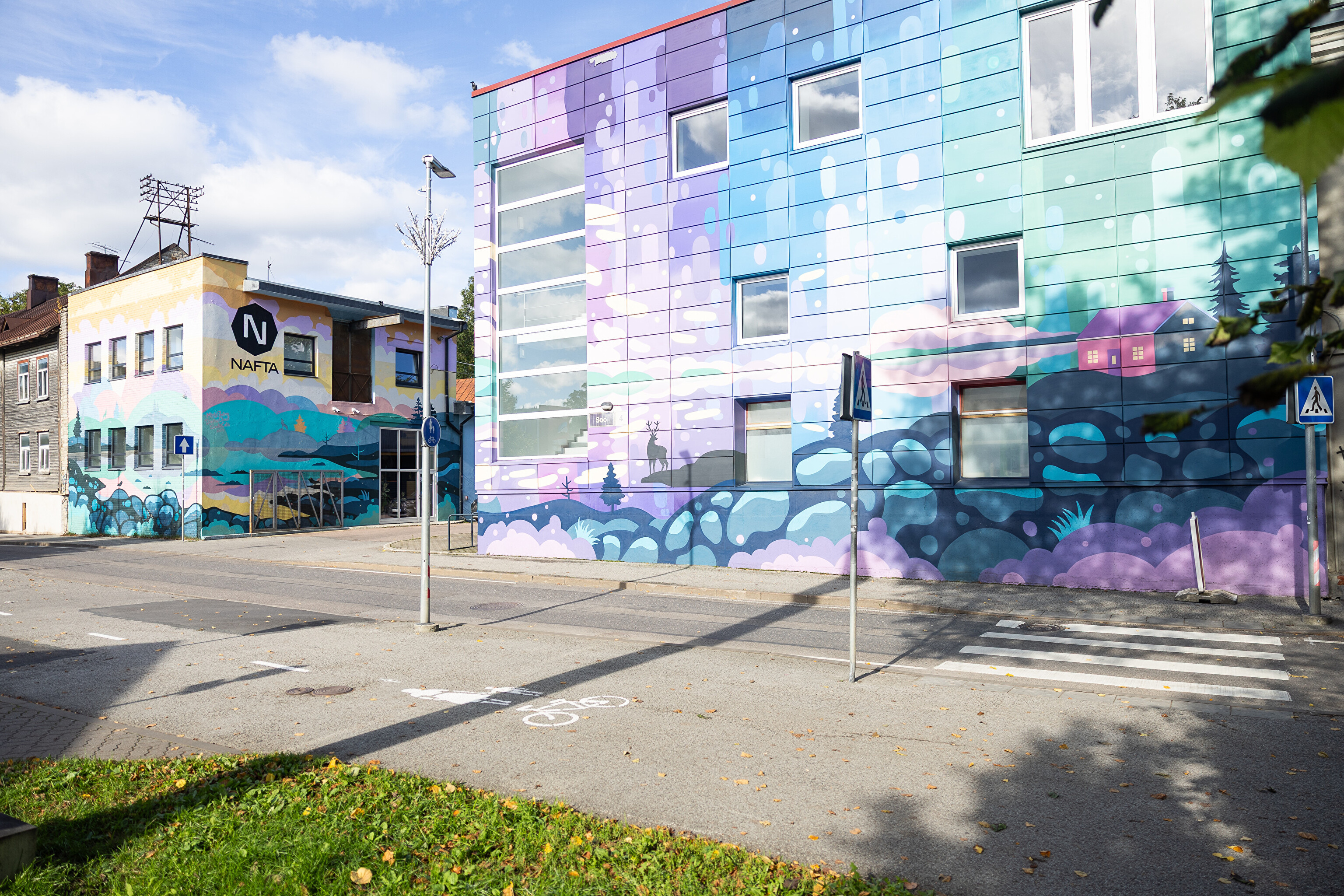
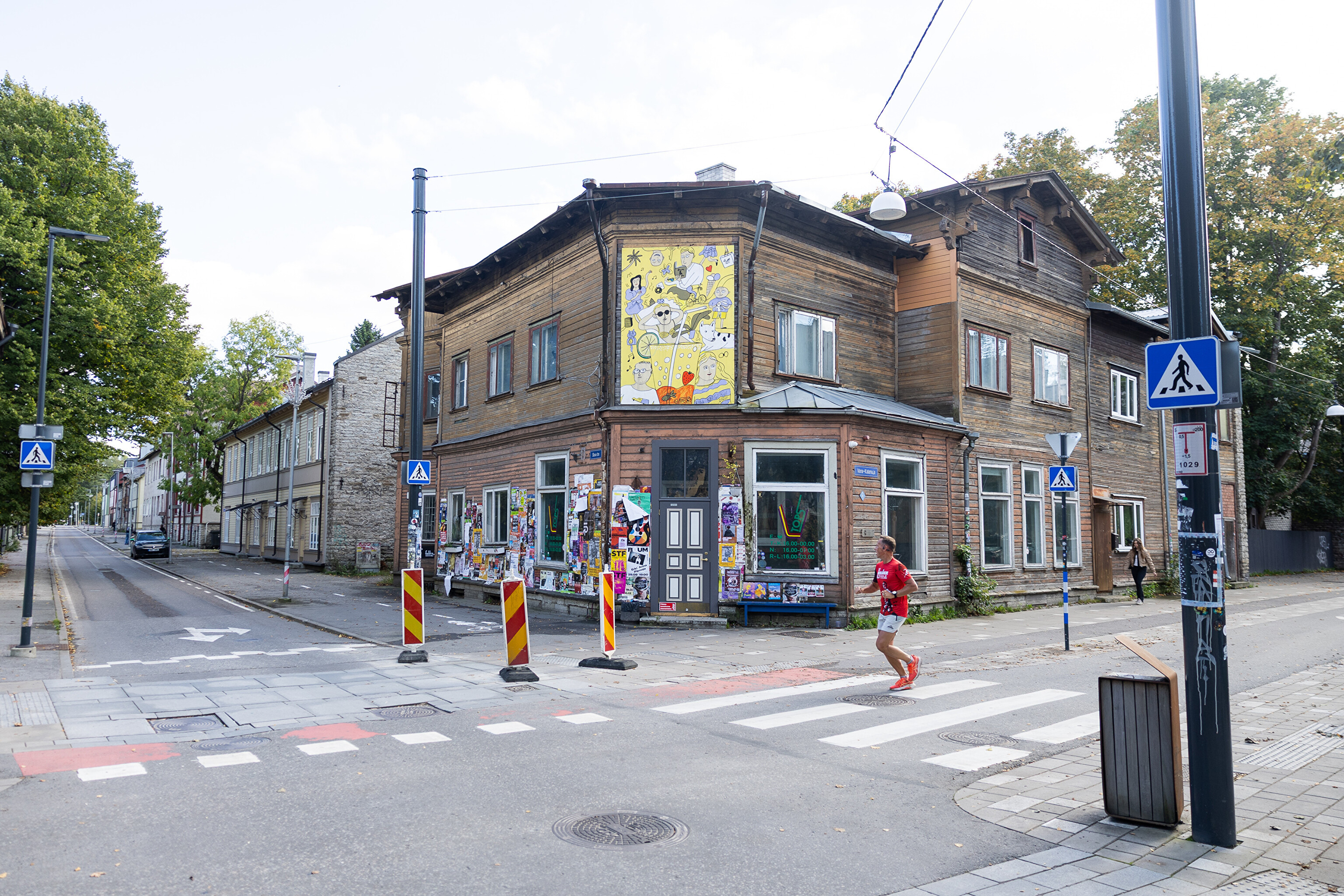
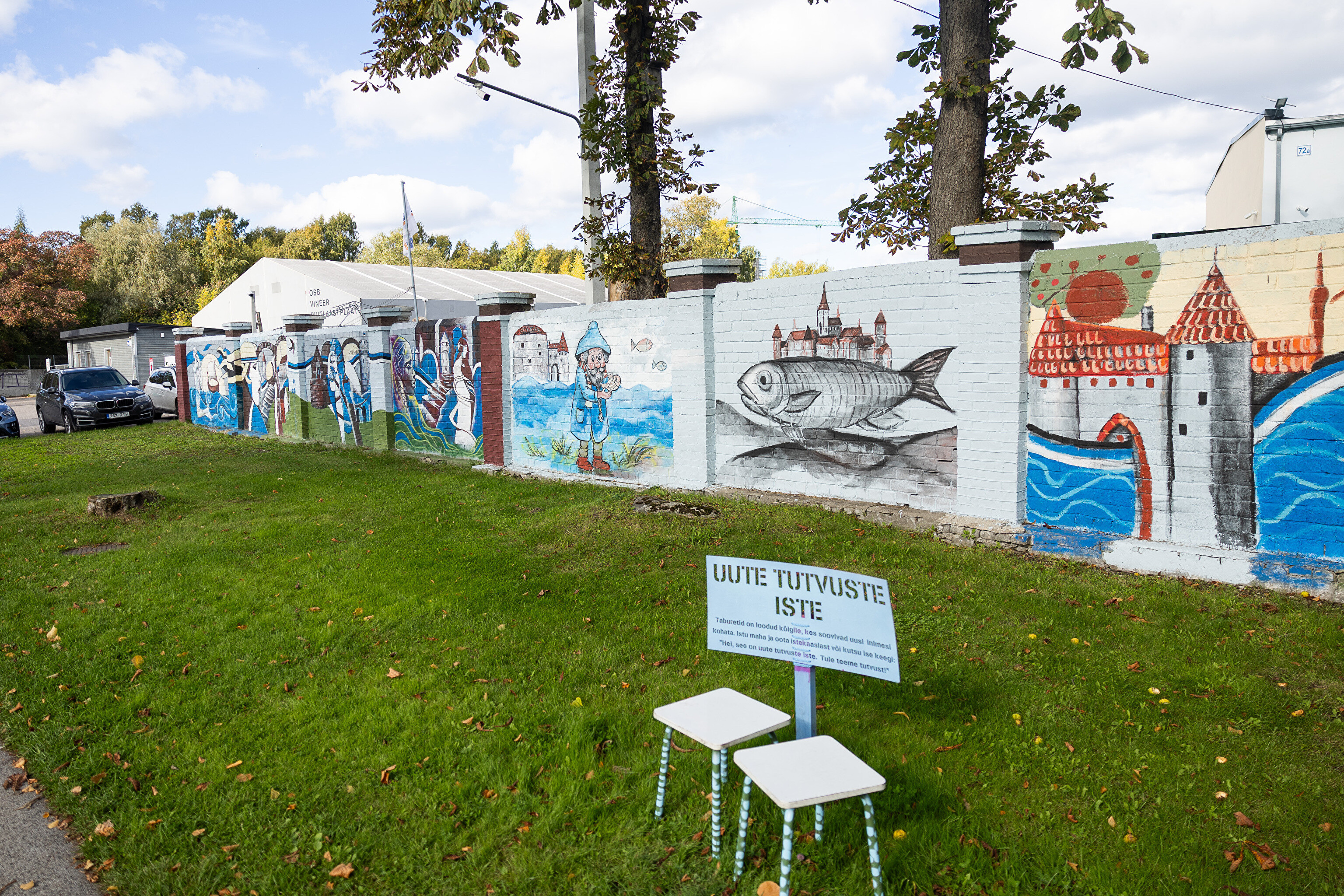
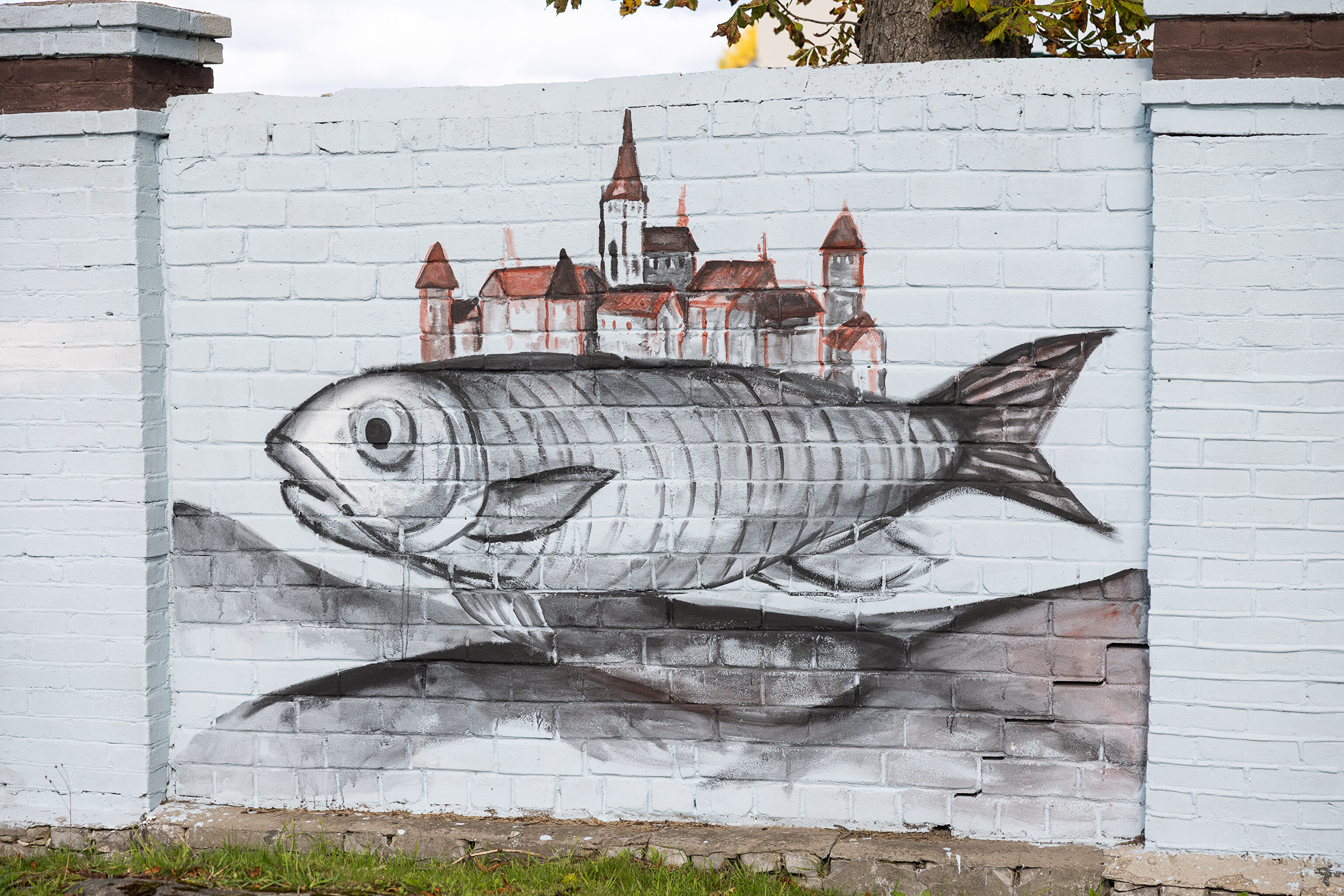
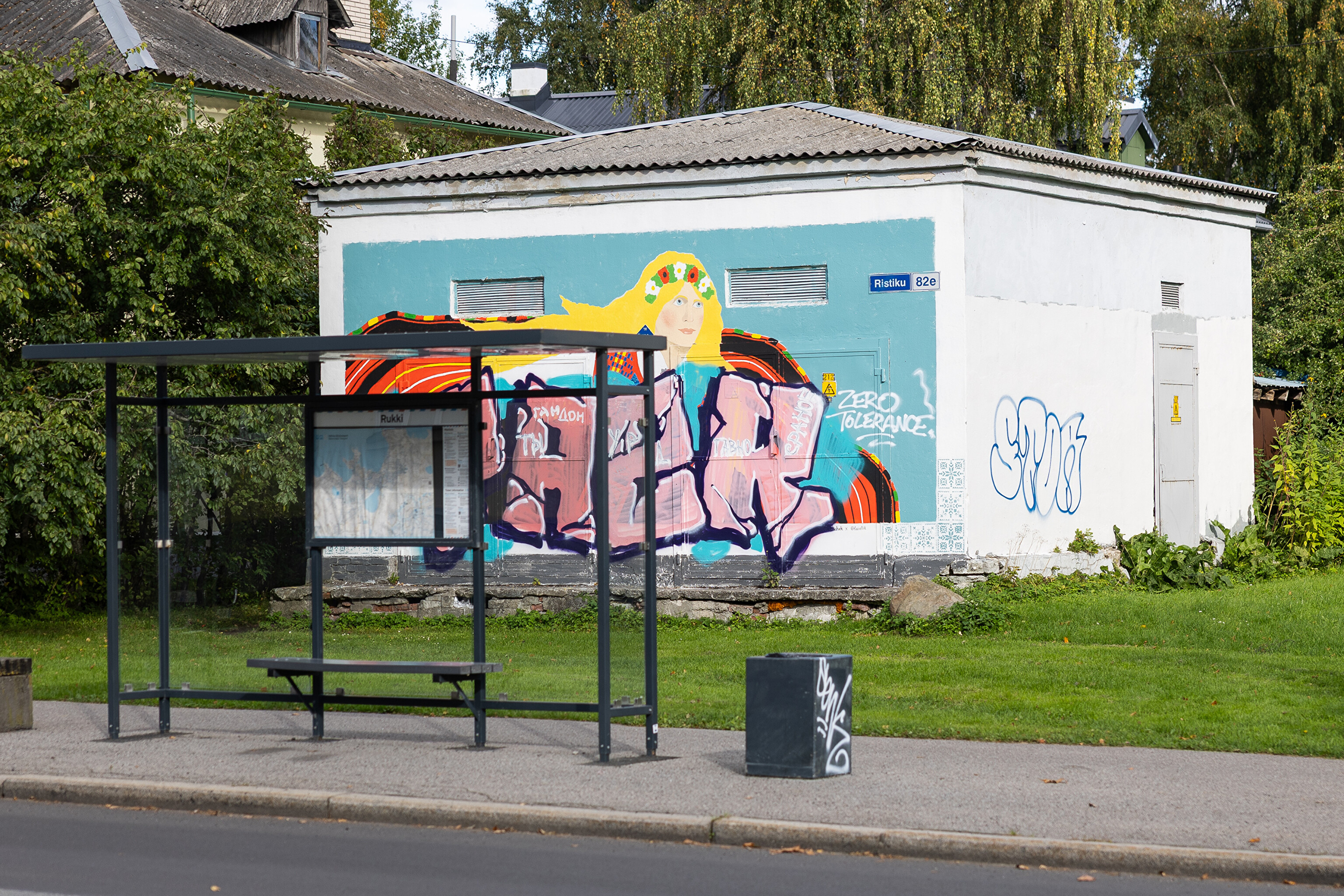
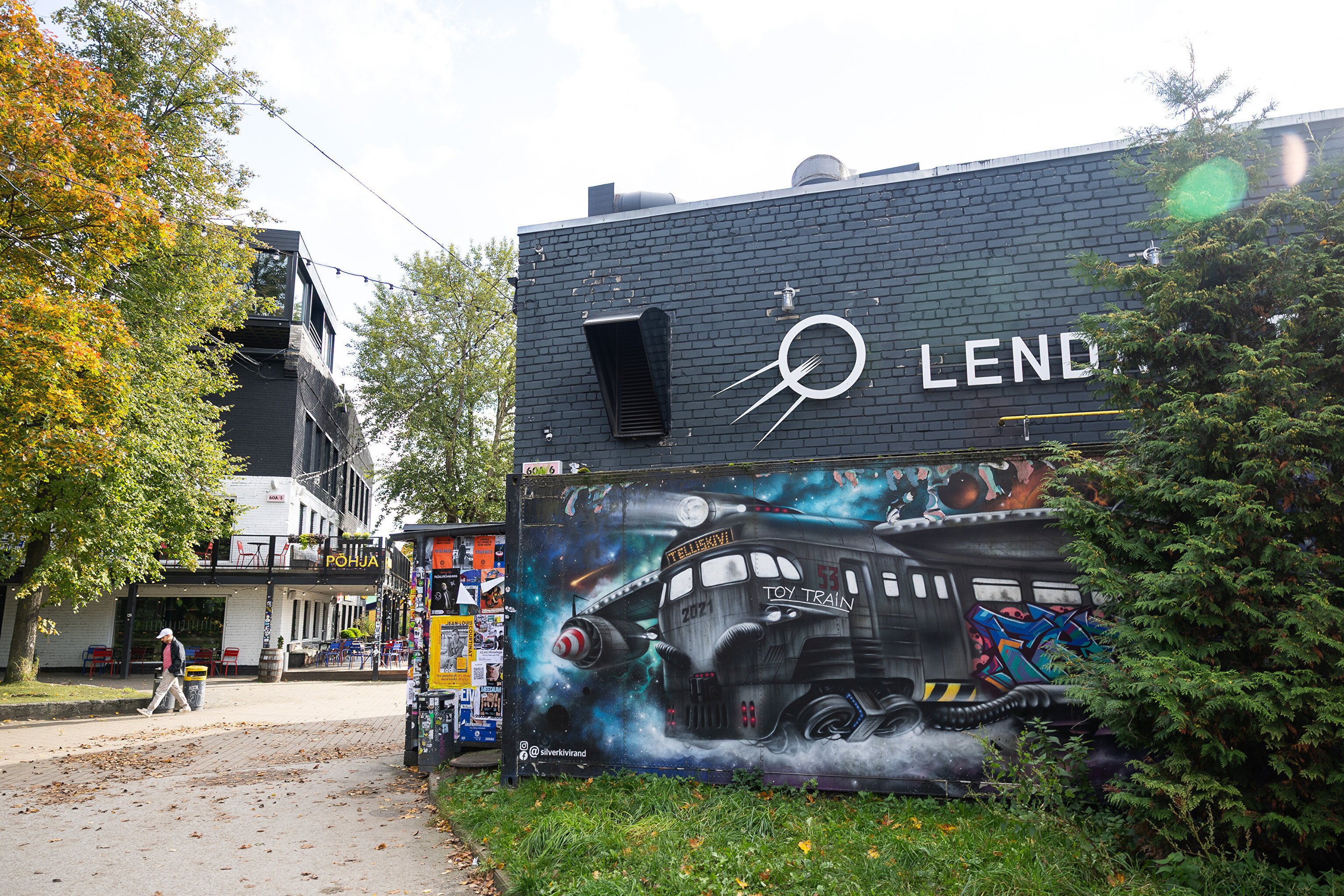
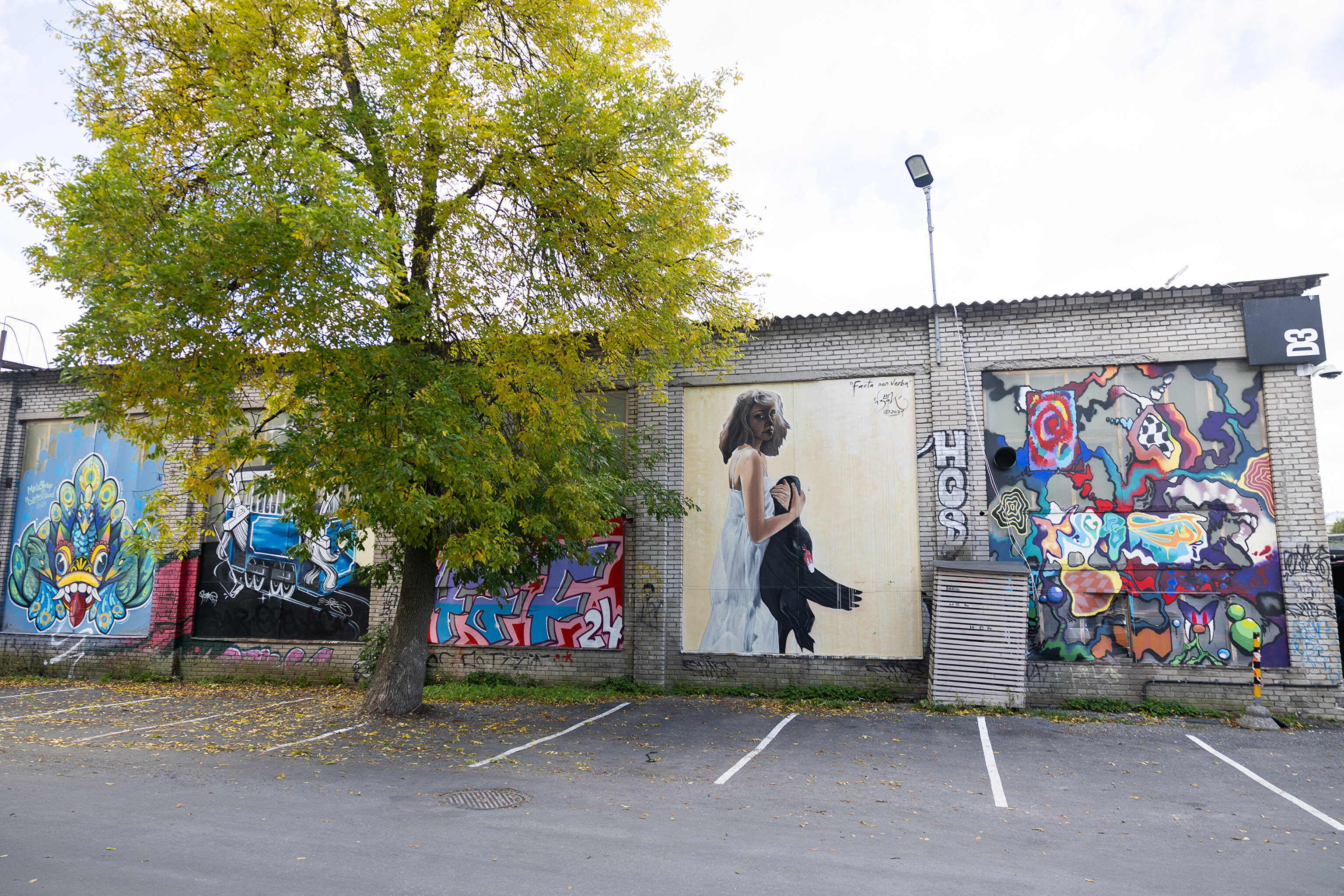
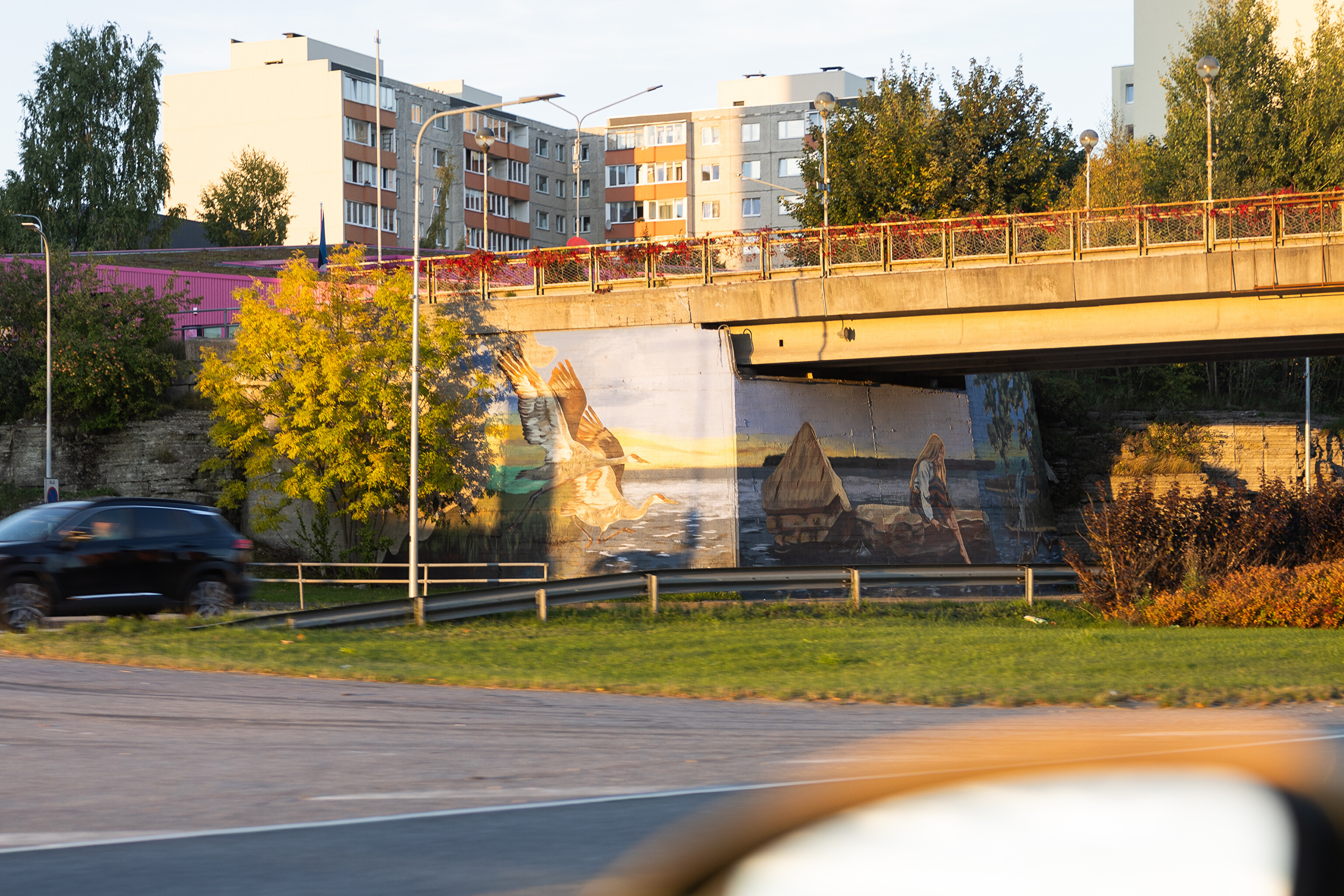
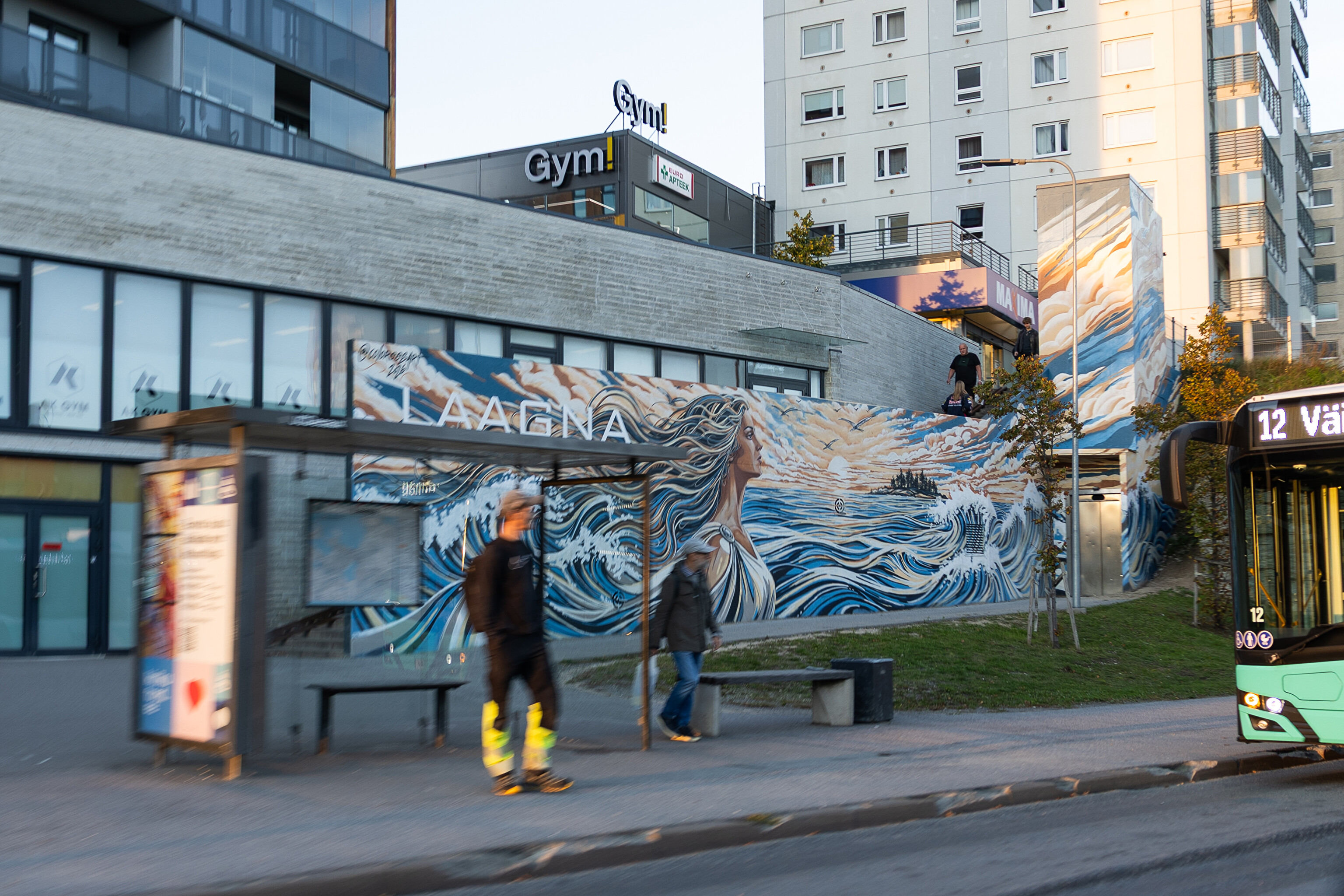
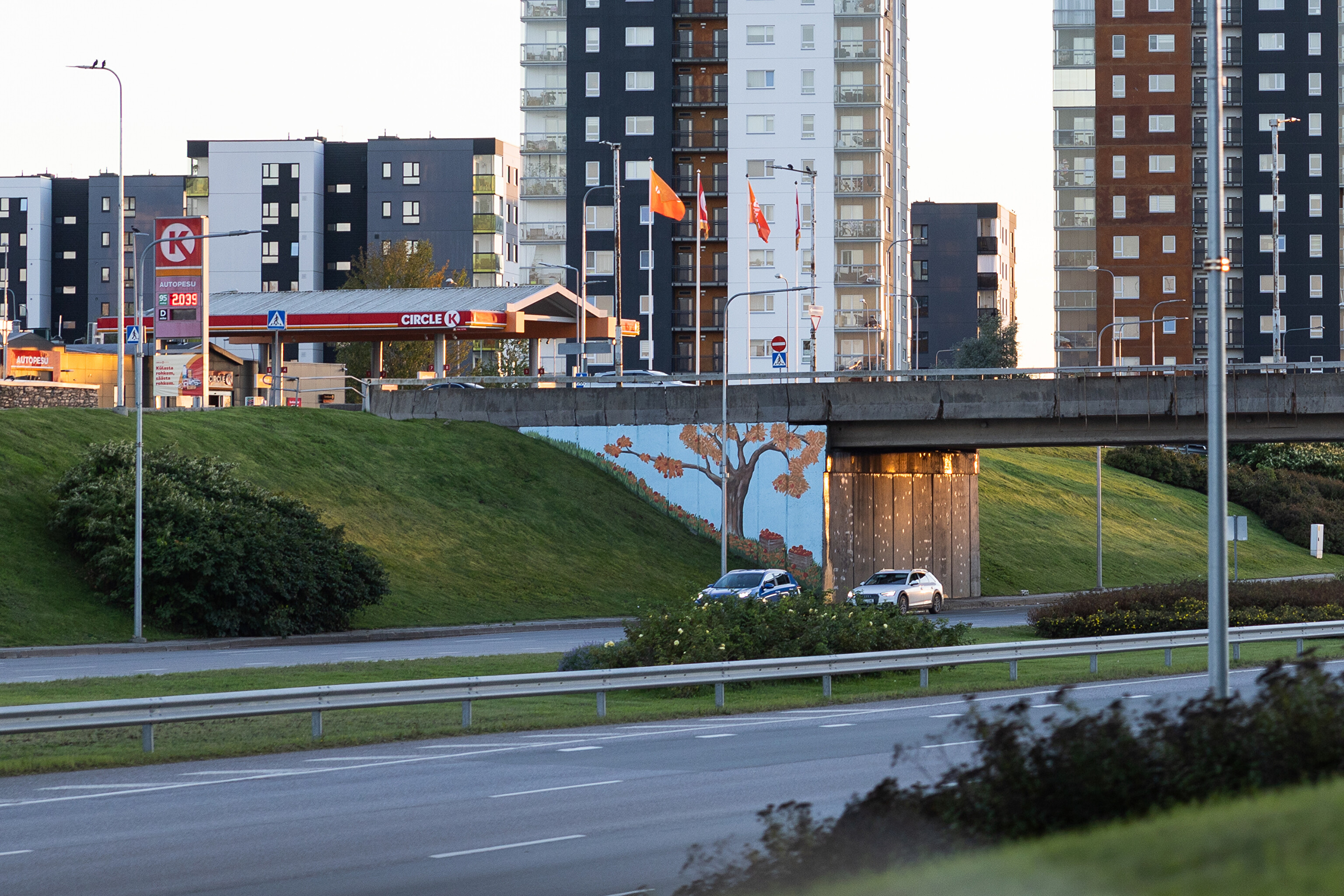
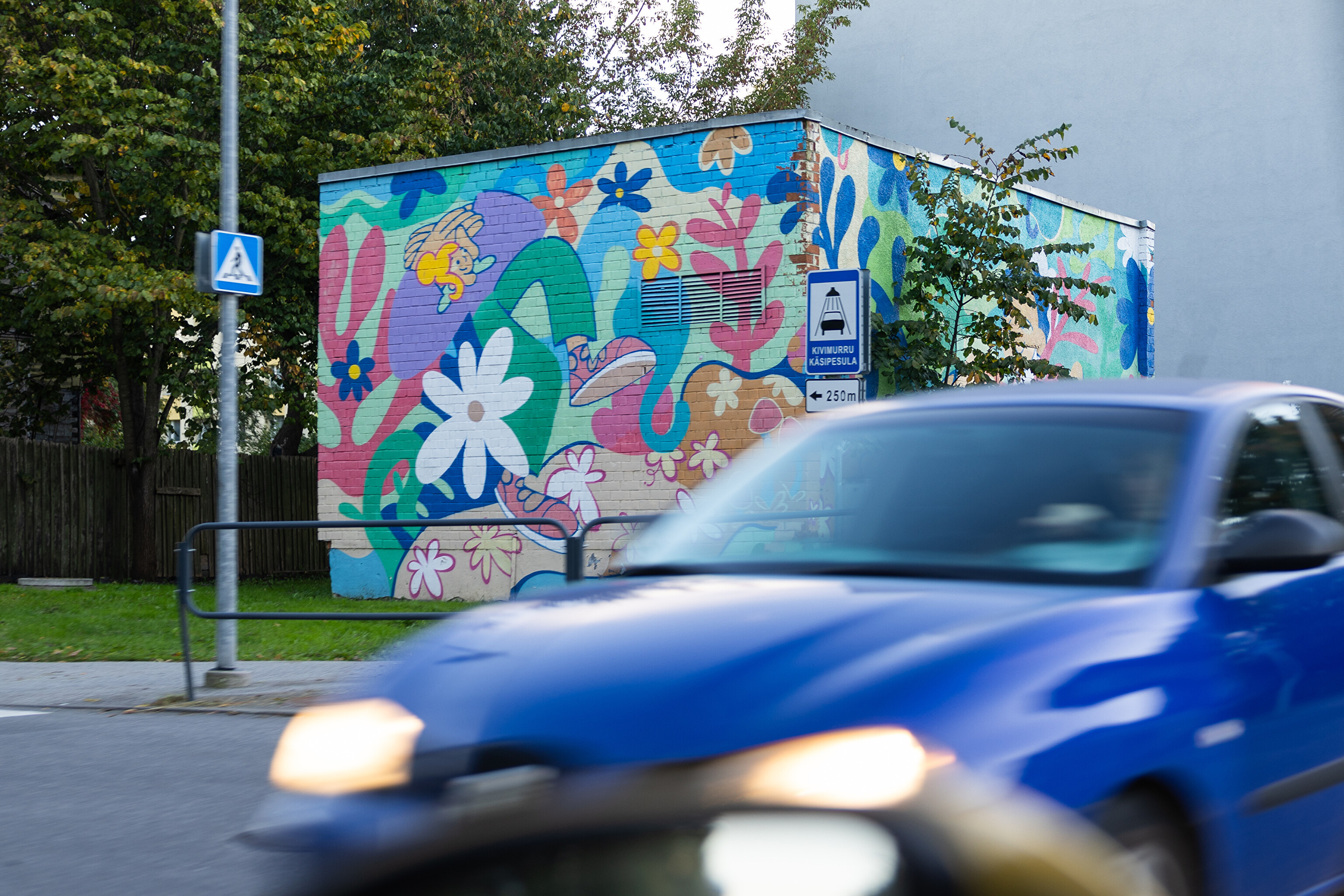
In summer the Tallinn City Government announced six new murals by five artists would be completed over the summer as part of a drive to curb graffiti.
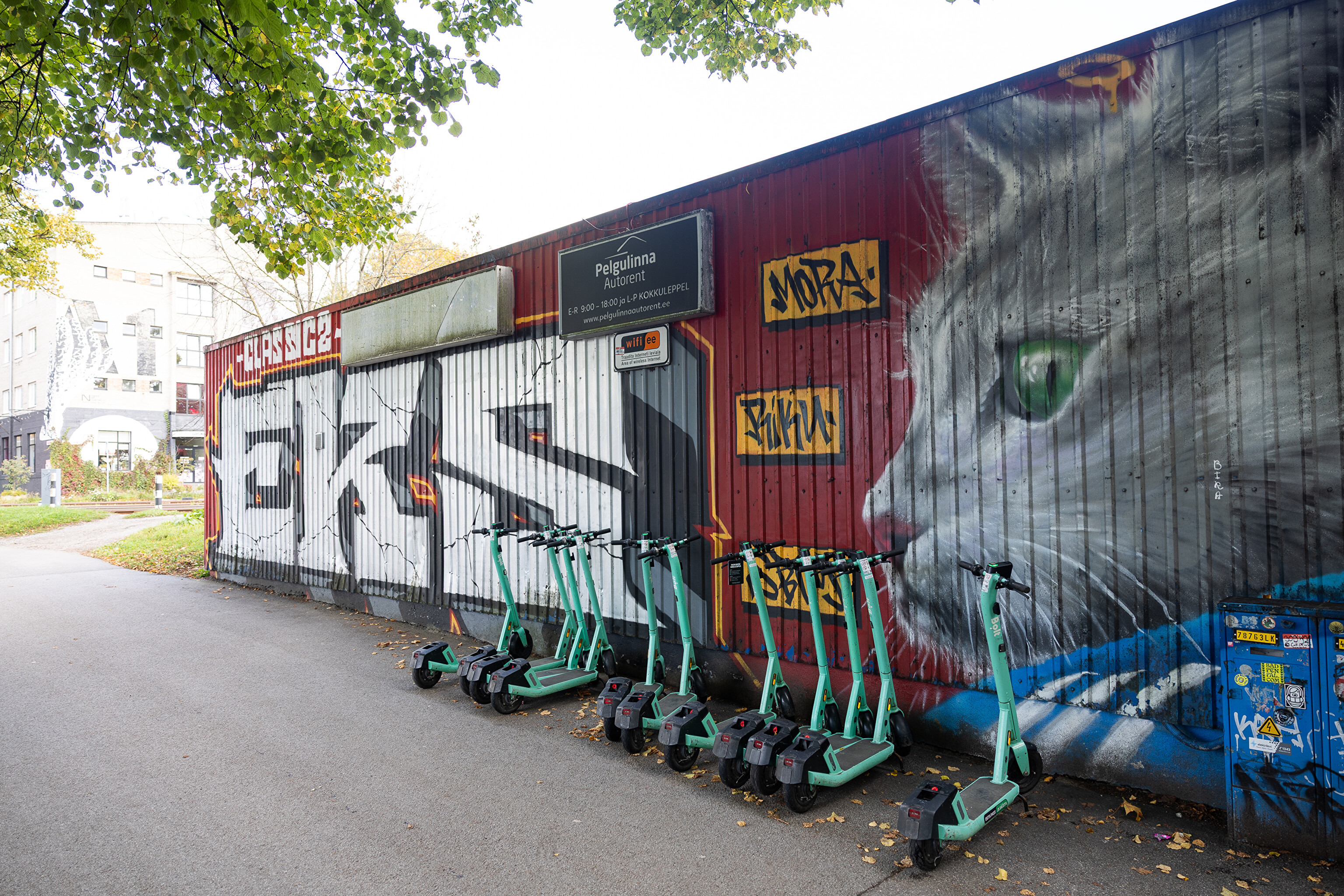
However, the street artist or artists under the name "PASR" opted to paint over the works approved by the city. The alleged reason was that one wall previously covered by PASR artwork had been painted over. In recent months, the tag "PASR" has appeared over several murals approved by the city.
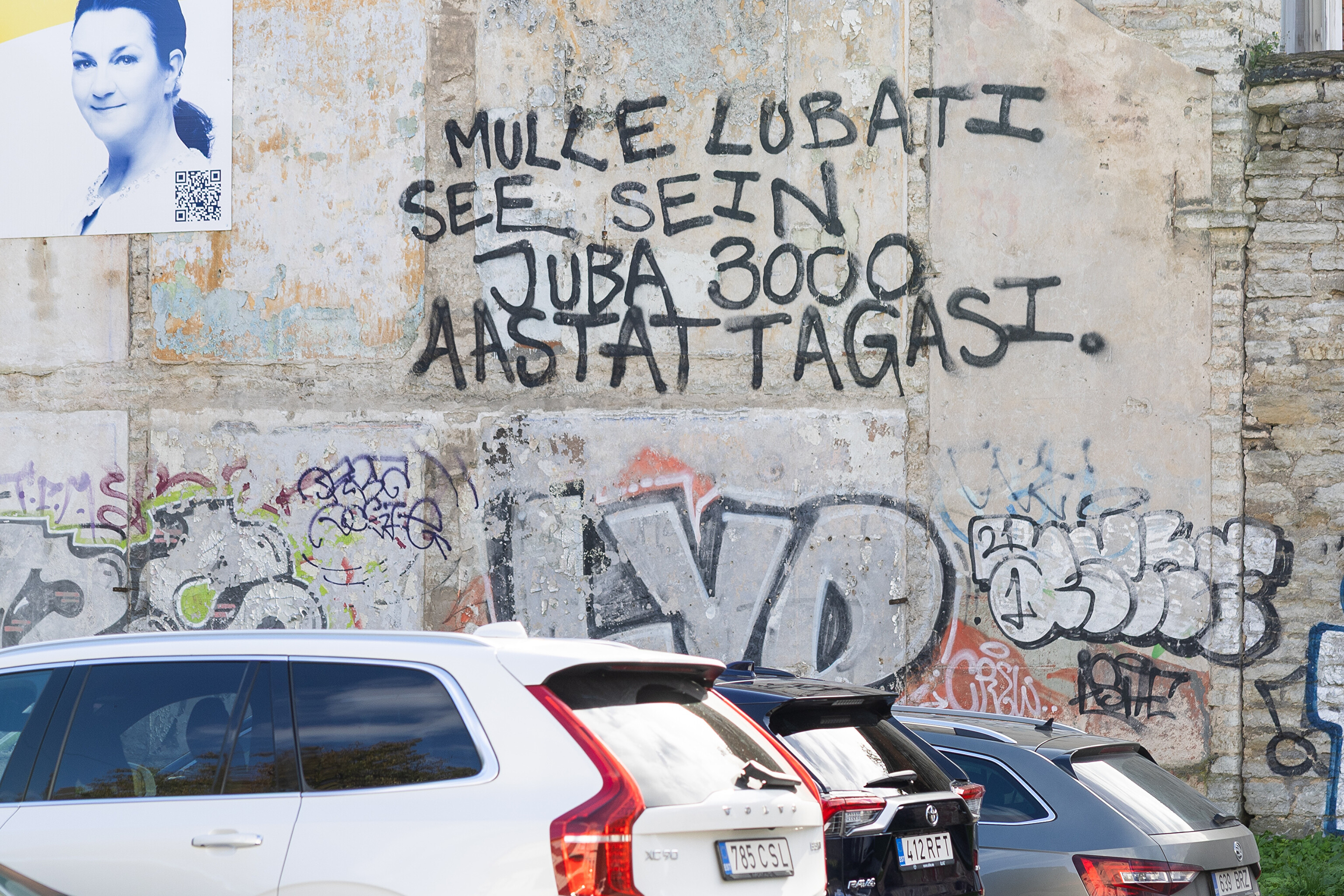
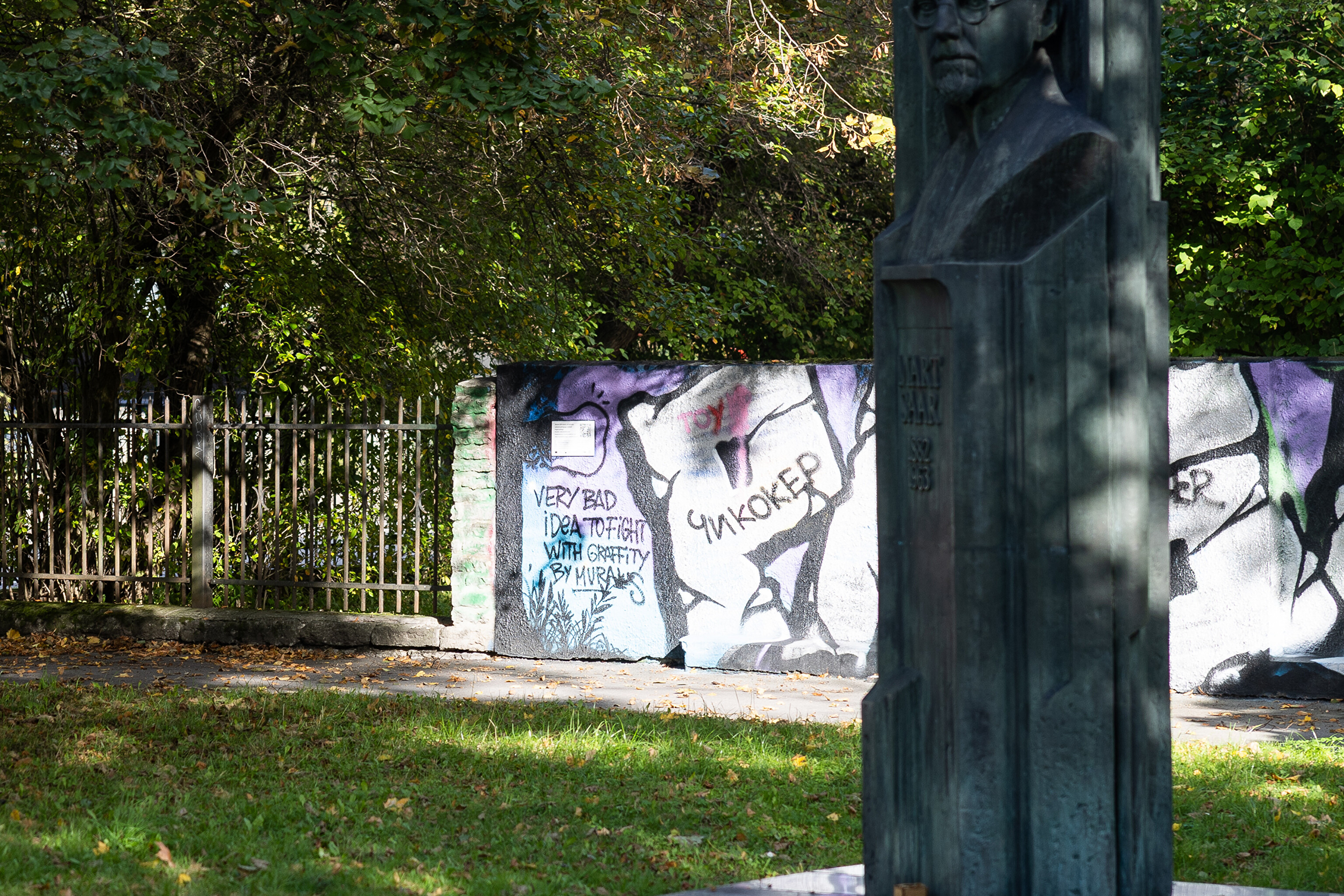
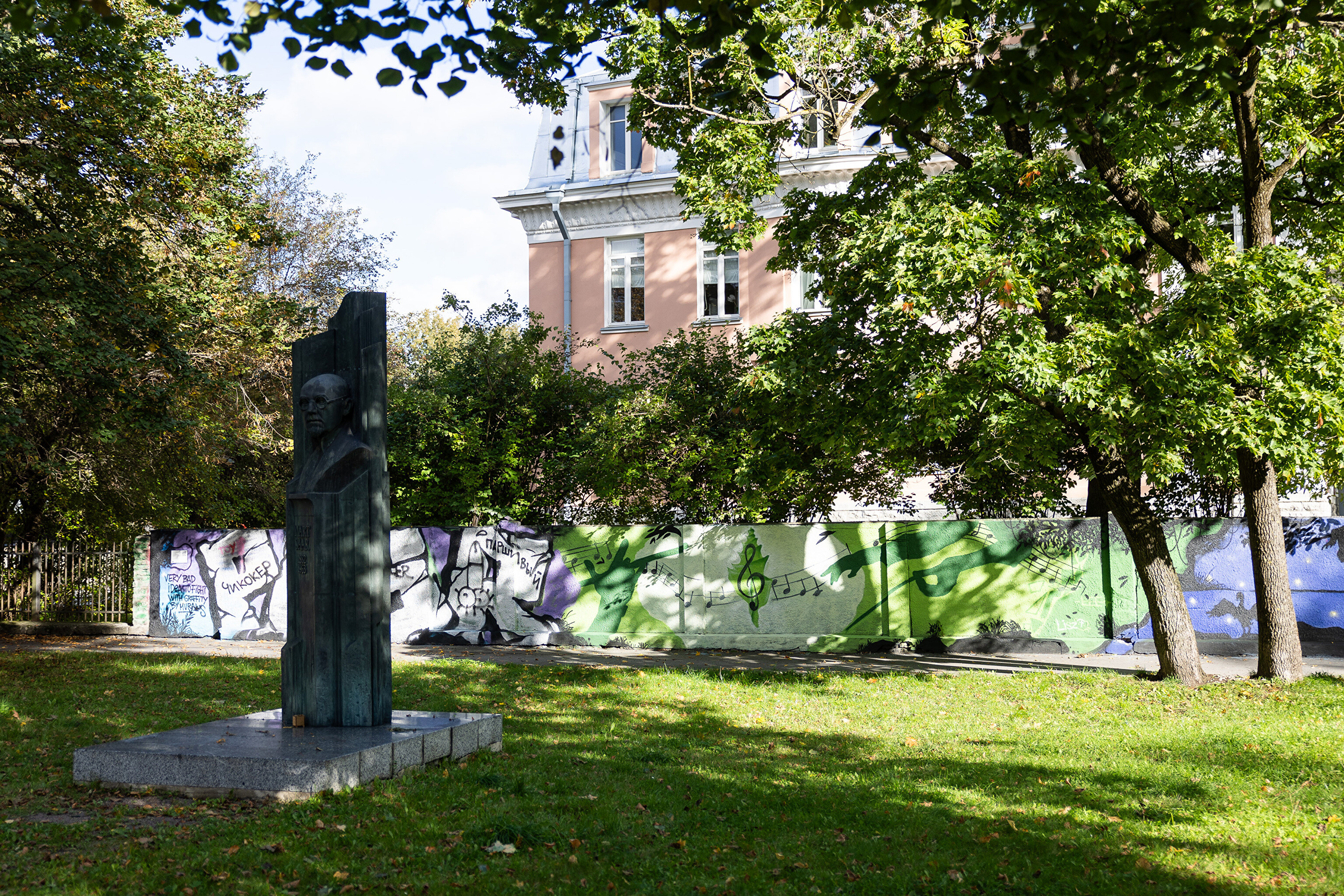
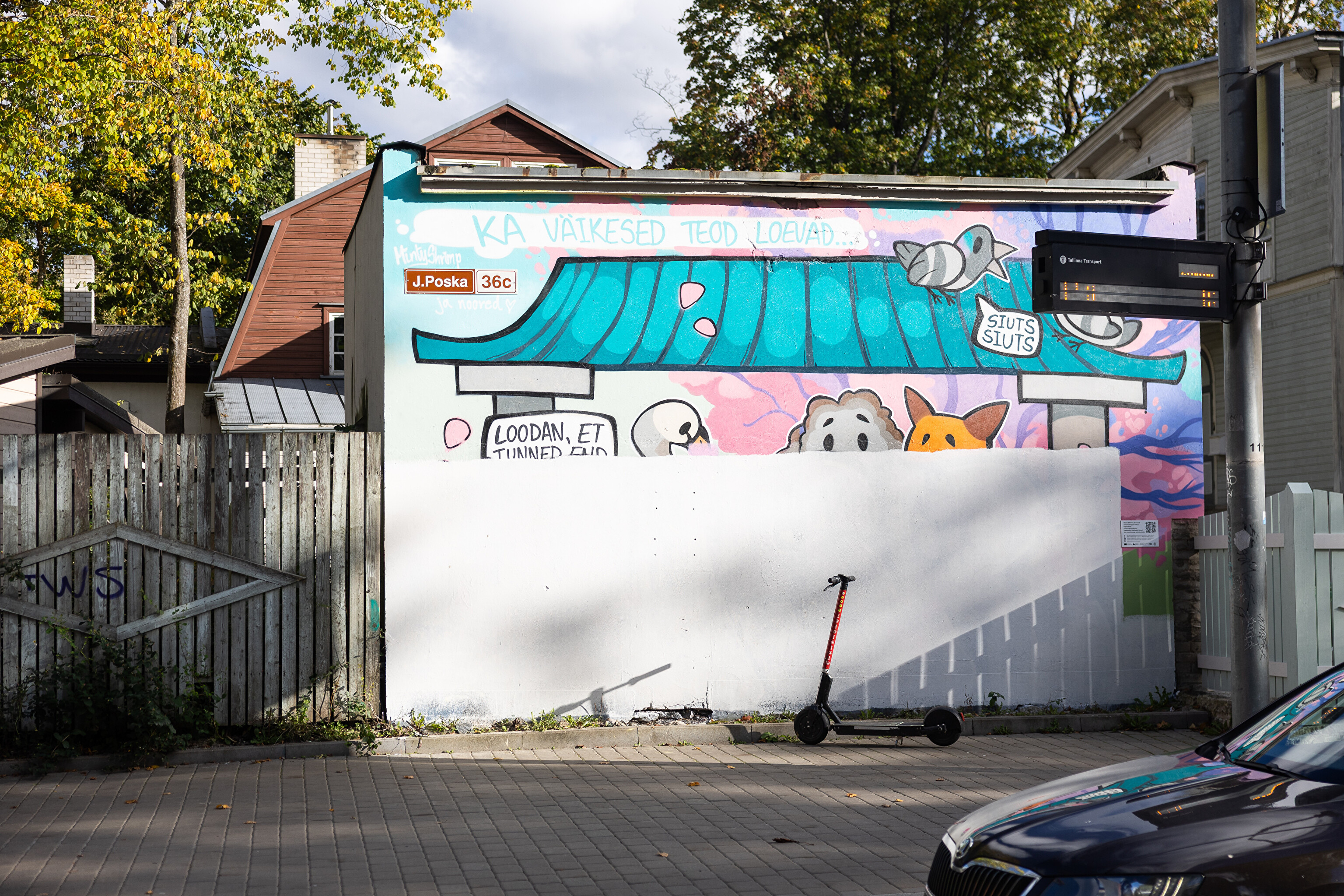
The "You will lose this war!" tag appeared on a wall in Poska tänav in the Kadriorg neighborhood. On a wall on Weizenbergi tänav – the road which leads up to the presidential palace – where the city had commissioned a mural depicting Swan Lake (the nearby park also has a small lake with swans) graffiti appeared stating that using murals to fight graffiti was a very poor idea. In the Poska case, the city had the text painted over.
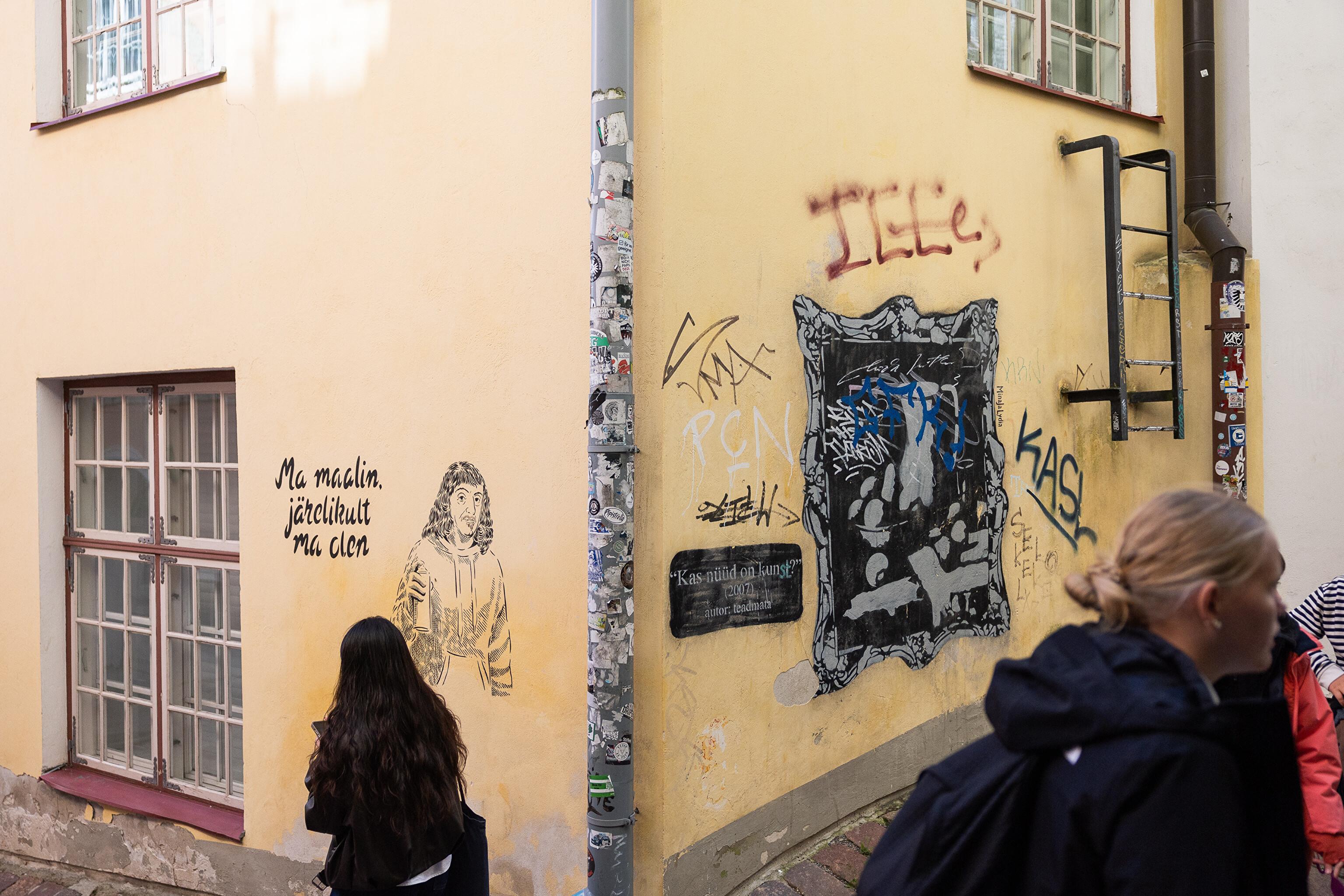
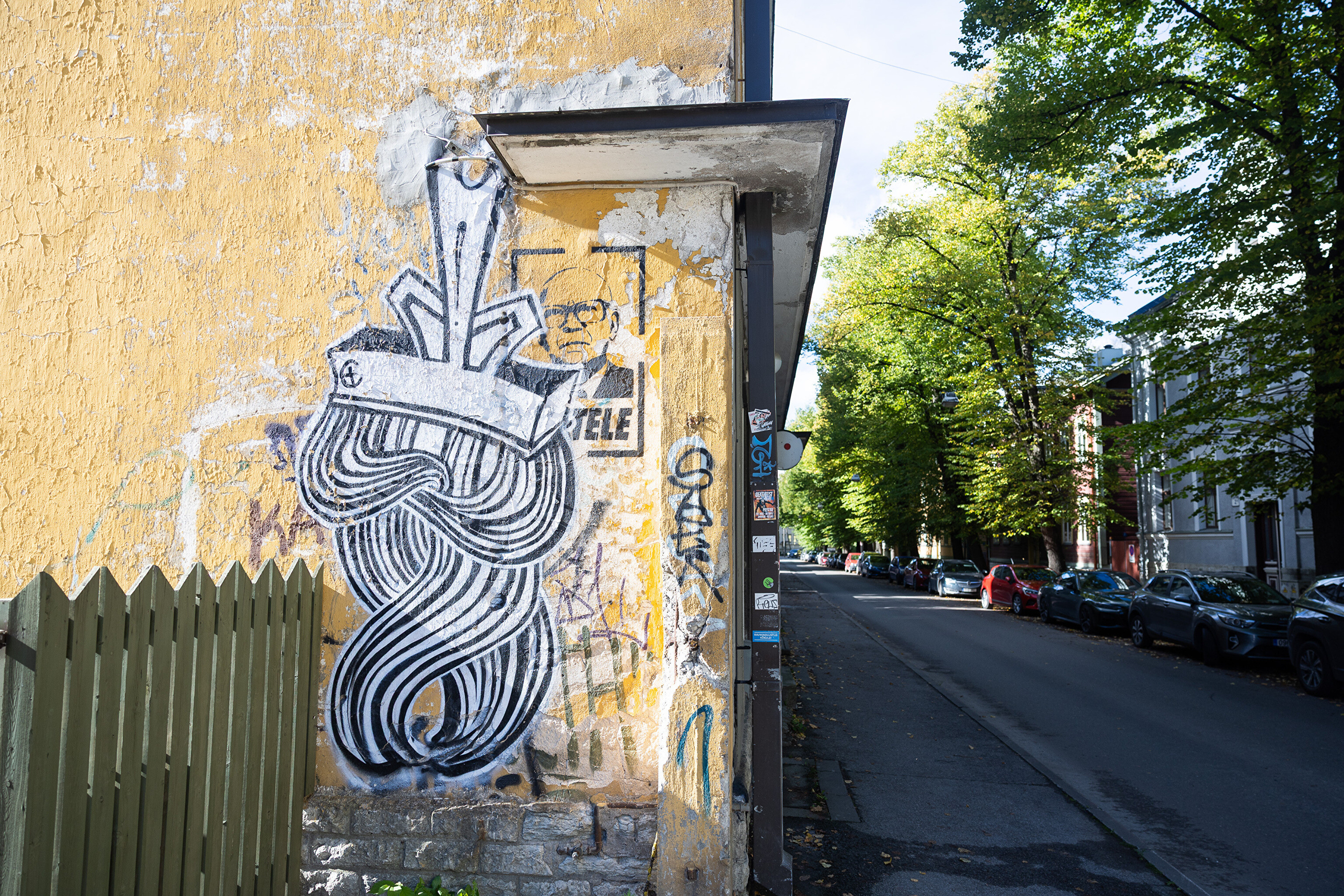
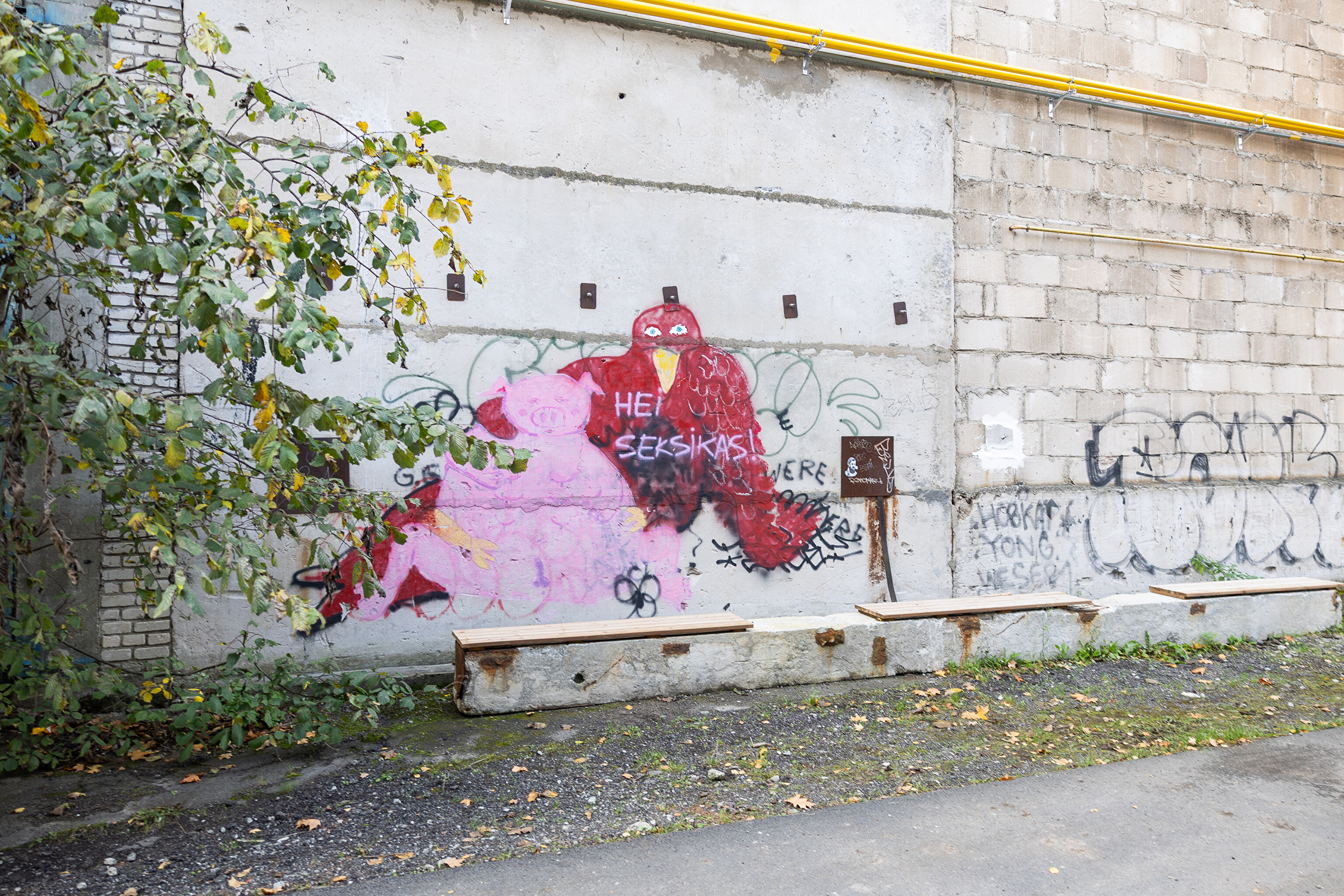
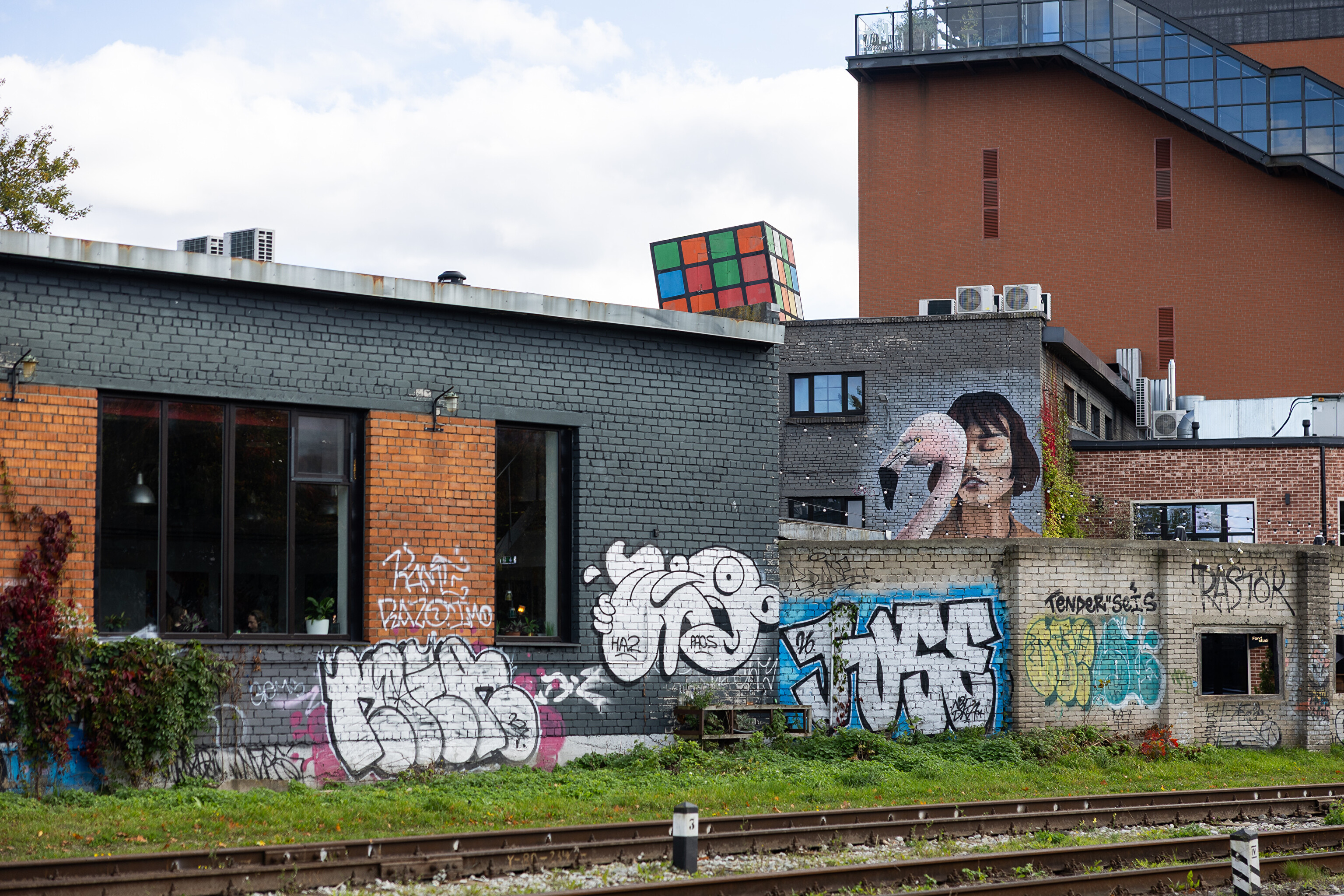
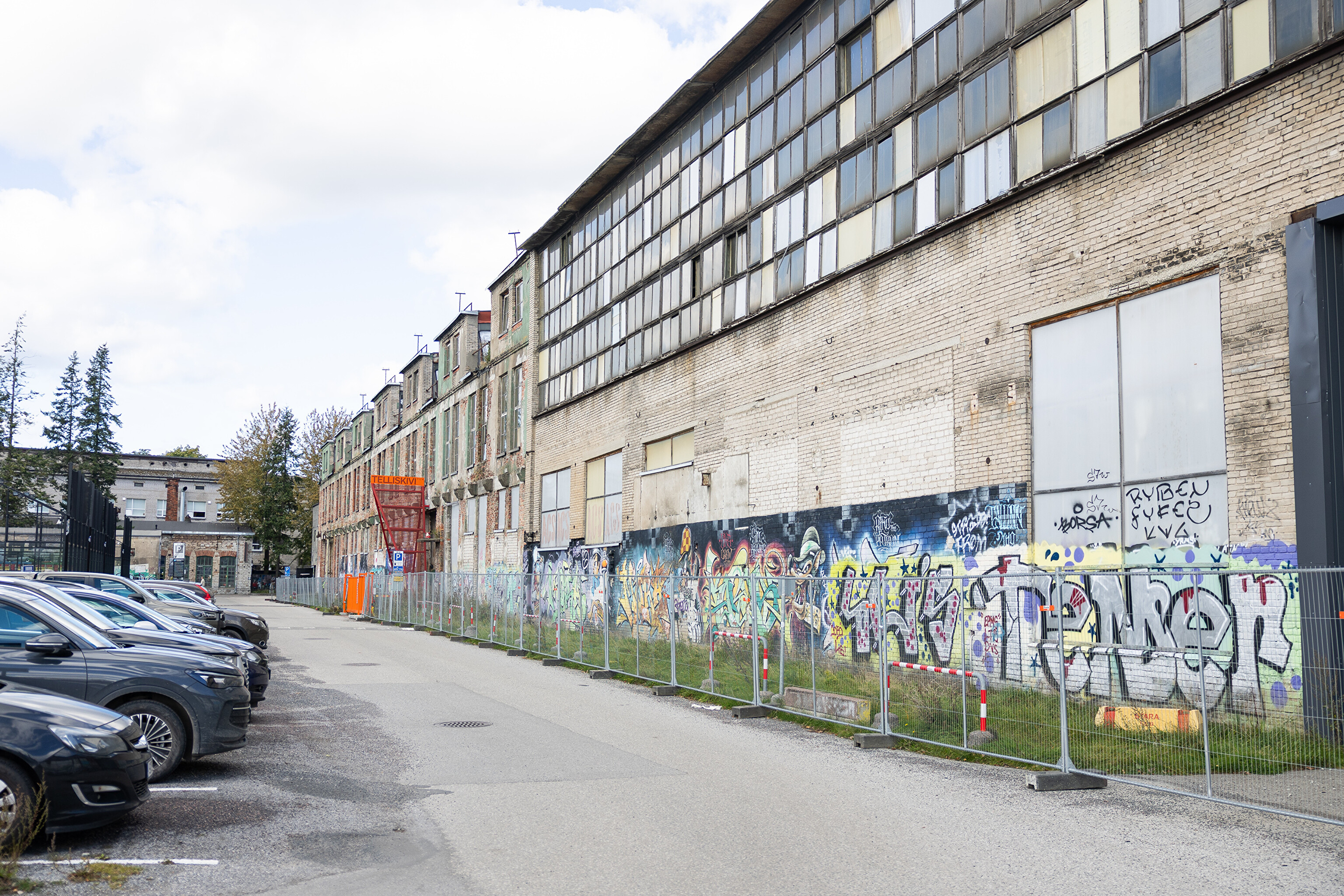
The situation has come to be something of a vicious cycle as of now: the city commissions a mural, but it soon gets painted over, during the hours of darkness. The city then paints over that fresh graffiti or commissions another mural, but seldom has to wait long before more graffiti tags appear over the latest city-approved artwork.
Manuela Pihlap (Center), head of the Põhja-Tallinn district, called graffiti an issue which has been growing year by year. "It is precisely to make the cityscape a little nicer that we have invited street artists to come and create art openly. We support them and also provide them with materials, but we want to see nicer murals, not squiggles," Pihlap said.
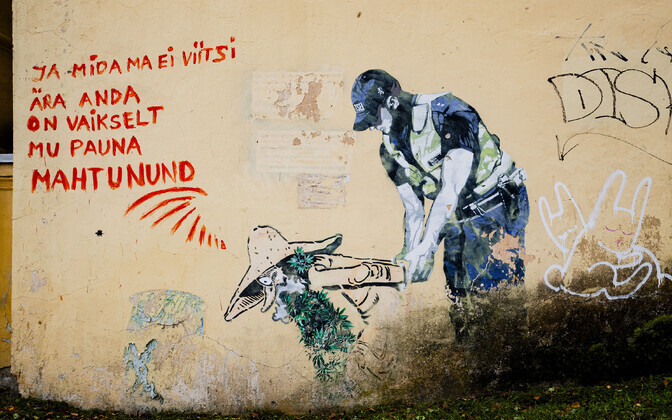
The district government filed a police report the day after a mural in Põhja-Tallinn got painted over. "We hope the police will track down whoever did it. At the moment, we plan to clean the graffiti off the wall and paint it white again, and we are also considering putting some new artwork on the same wall," Pihlap added.
Pihlap said she had spoken with street artists, who expressed surprise that the mural had been painted over. "As far as I understand, the rule in that world is that you do not paint over another artist's work. If you do, you either have to cover the wall completely, or create a better piece. In this case, neither 'rule' was followed," she said.
One street artist, Sirla, who organizes the Stencibility festival, told ERR that Tallinn and Tartu have taken very different approaches. "Tallinn has declared war and has been communicating that it is opposed to graffiti and that official murals are specifically intended to reduce graffiti in the urban environment. Tartu, meanwhile, has taken the position that it supports art in public space and provides funding for new works to be created rather than for old ones to be painted over," Sirla said.
Erge Jõgela, an urban design specialist with Tartu City Government, said the city treats street art as a type of free expression and does not rush to remove works, unless they are obviously obscene, criminal, or in an inappropriate location. The city does not approve or curate works on its street art walls — these emerge spontaneously. "We have taken the position that just as we do not approve works in advance or issue permits for artists to work, we do not remove or suppress distinctive works in reasonable and suitable locations," Jõgela said. The only works Tartu approves in advance are large-scale murals on apartment building façades, most of them created under the SmartEnCity project umbrella.
Jõgela added that Tartu has approved city-owned walls as "donor surfaces" for the Stencibility festival, from which artists choose a "canvas". The city does not know in advance which walls will be used or what will be painted on them. She said cooperation with the festival has been excellent and the trust placed in organizers has not been abused.
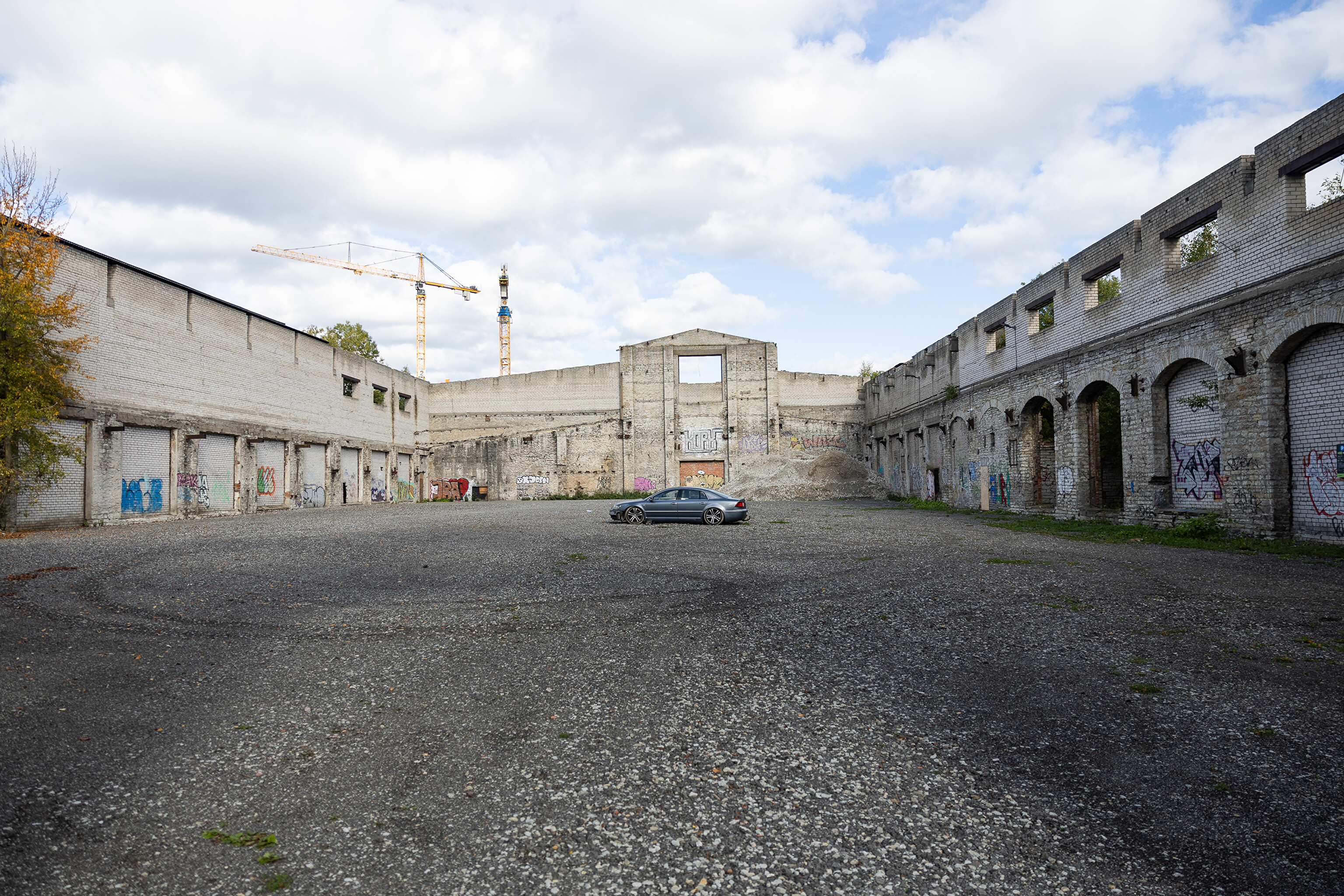
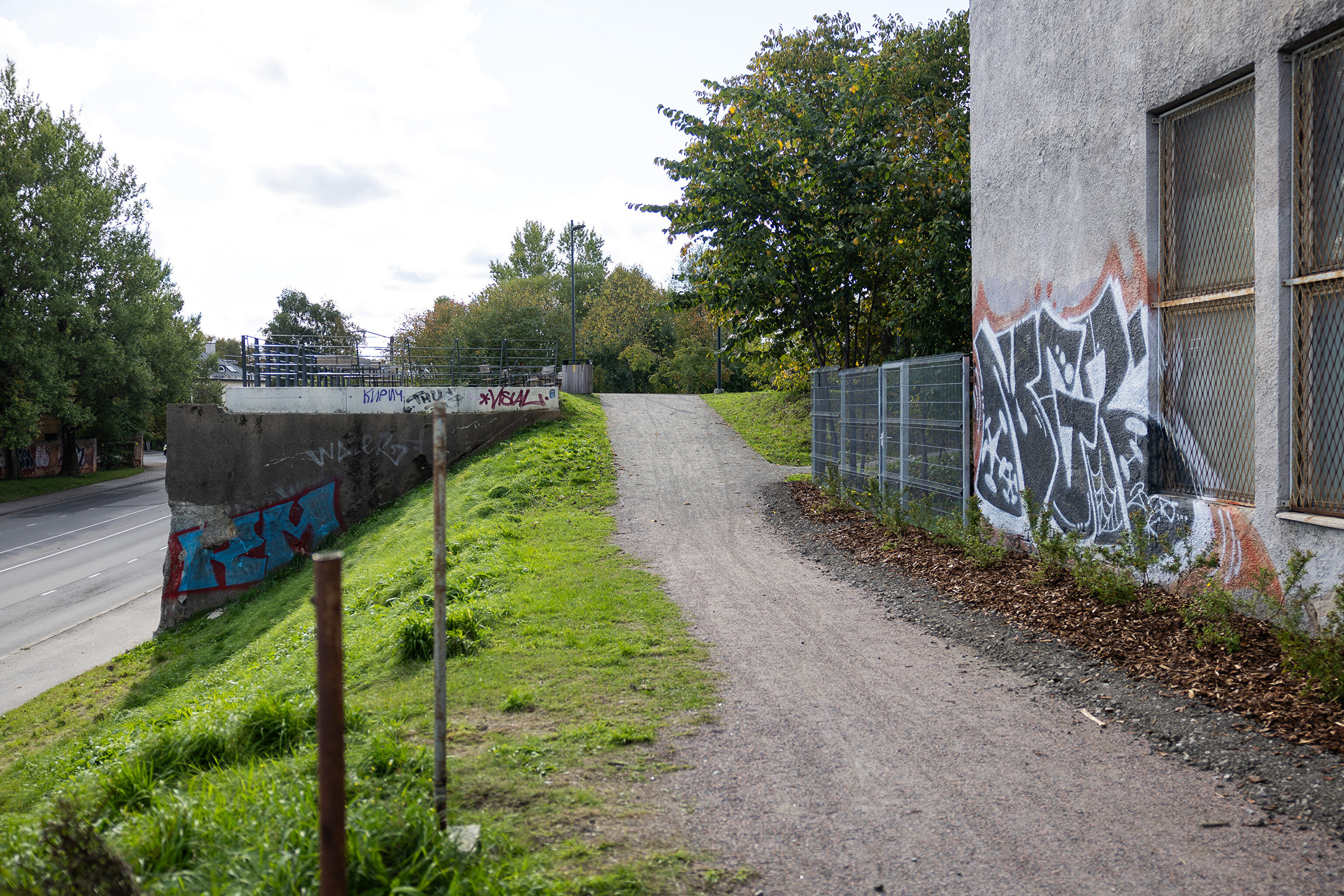
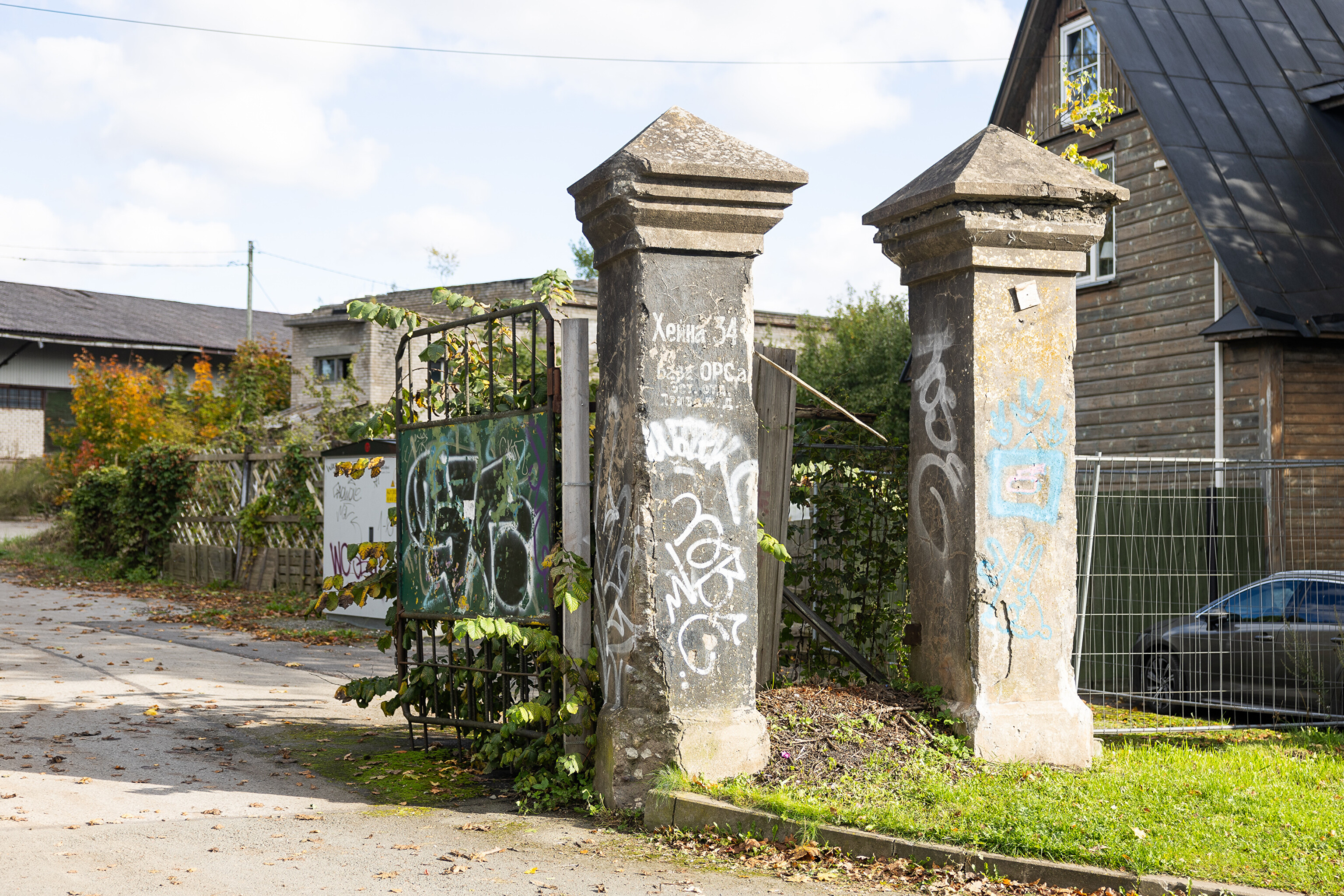
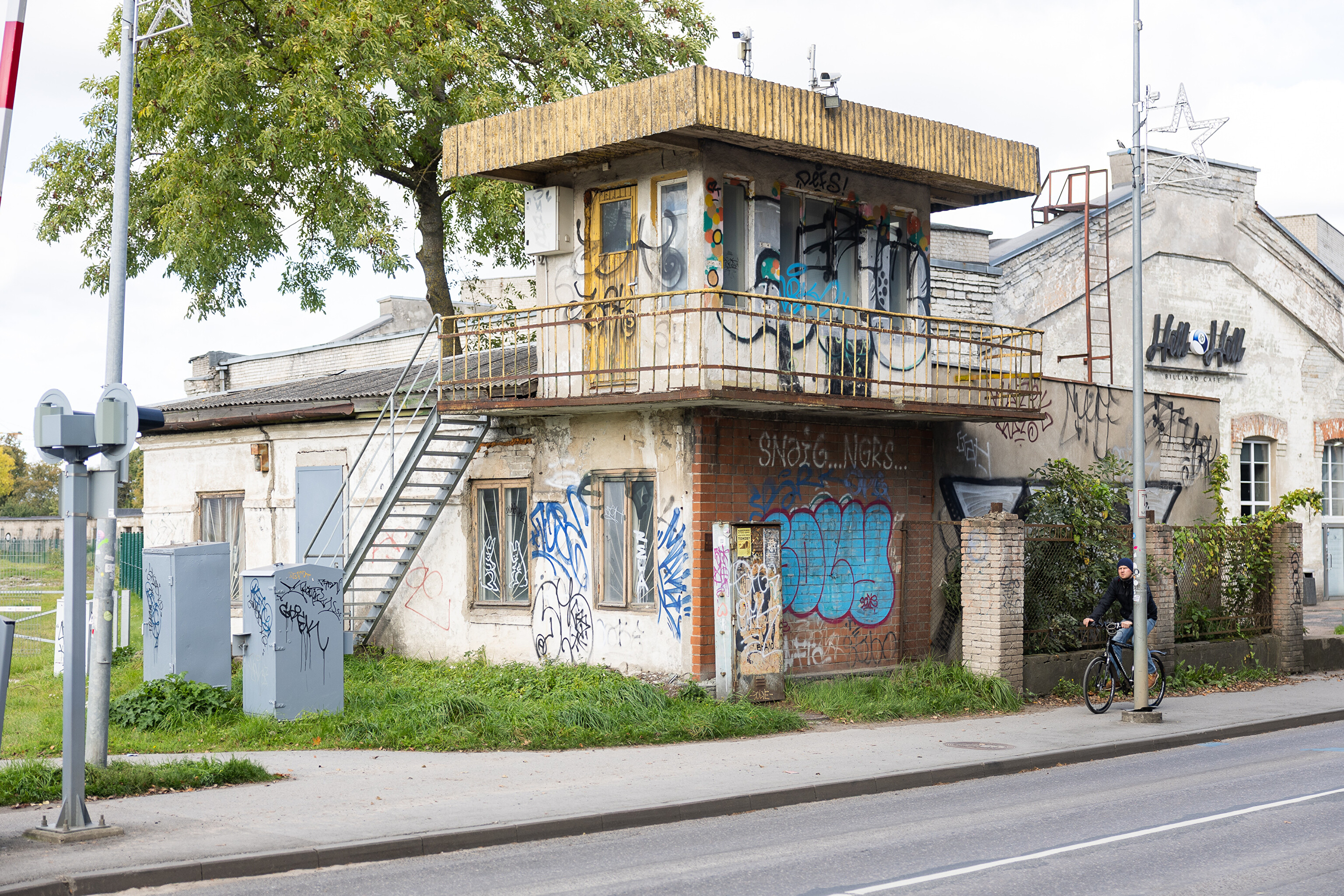
While the city government-approved murals in Tallinn and Tartu are placed on public property, homeowners have reported a rise in graffiti on the walls of private properties too.
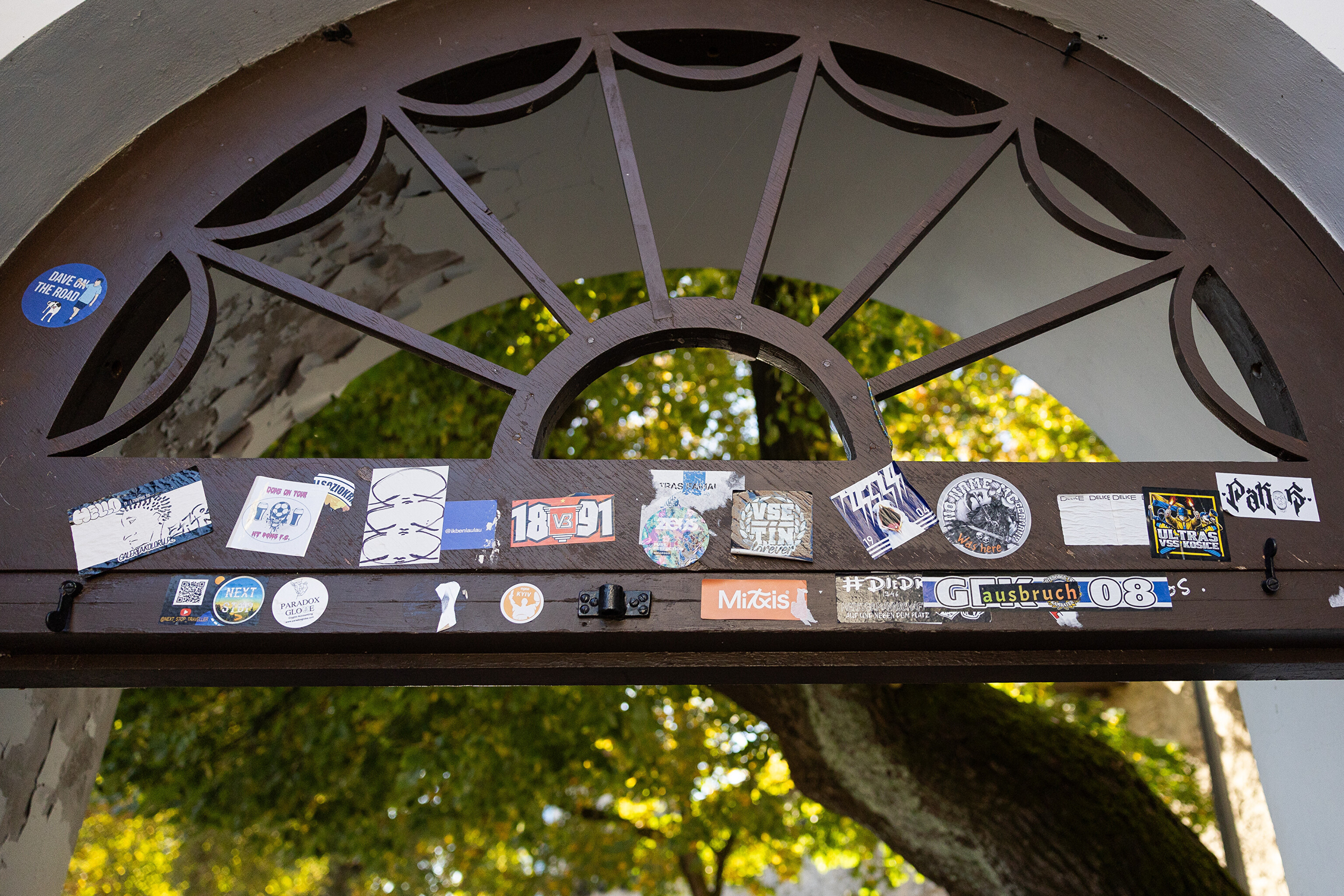
The identity of many of the most prolific graffiti artists – such as "CTAH", whose work often adorns hard-to-reach places like chimneys and bridges, or "DJ Tiine Rott" (literally "pregnant rat"), is not publicly known.
--
Follow ERR News on Facebook and Twitter and never miss an update!
Editor: Valner Väino, Andrew Whyte