Tattoo culture researcher: Women have always been the main source of inspiration
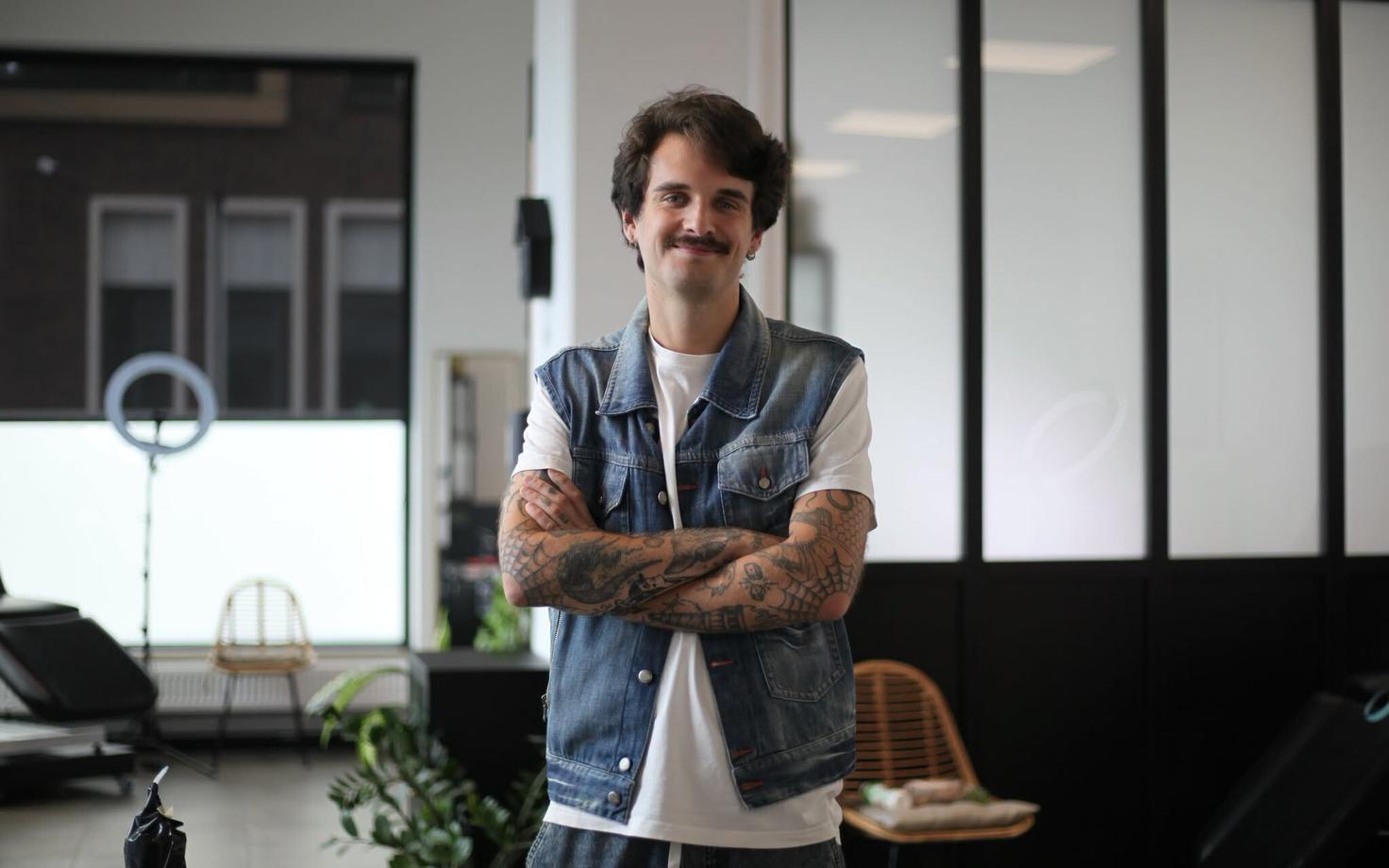
Tattoo artist and researcher of Estonian tattoo culture Oskar Poll told ETV that while tattoos during the Soviet era often featured maritime motifs and women, the range of subjects has since expanded considerably.
Oskar Poll has been tattooing for about 10 years. "A solid eight years," he said with a smile. "The first two were a trial period."
His studies are also closely tied to tattooing: he wrote both his bachelor's and master's theses on the history of tattooing in Estonia and is now pursuing the same subject for his doctoral dissertation. Poll earned his bachelor's degree in graphic art from the Estonian Academy of Arts. While there, he began photographing Soviet-era tattoos, a project that later developed into his master's thesis. Poll approached people on the street to find tattoos to photograph.
"Sometimes I felt like a stalker," he said. "I'd spot someone with a tattoo from a distance, follow them, explain what I was doing and ask how, when and where they got it and whether I could take a picture. Eventually, I got to the point where I could tell what kind of tattoo a certain type of person would have."
For his master's thesis, Poll examined, among other things, which tattoos were most popular during the Soviet era and what they meant. According to Poll, maritime imagery was the most common at the time, including anchors, ships, seagulls and similar motifs. Images of women were also popular.
"Women have always been the main source of inspiration in tattooing. In the West, tattooing was very male-dominated for a long time because it was associated with male-dominated subcultures and men would have images of women tattooed on themselves," he explained.
For his doctoral dissertation, Poll has moved on to the transition period. He is studying how Estonia's first professional tattoo artists began working in the country starting in the 1990s.
"I'm focusing on how the first studios and tattoo artists emerged here, where the machines and other equipment came from and where the idea of becoming a tattoo artist came from because for a long time, that kind of job simply didn't exist," Poll said.
The history of tattooing in Estonia has not previously been studied in this way. According to Poll, that is both interesting and daunting. "Everything you say and do is what people will later either accept as the truth or argue with you about."
Comparing Soviet-era tattoos with those of today, Poll said the main difference is the sheer range of choices available.
"Back then, there were certain set images: you'd see skulls, roses, cats, military symbols and anchors. Now the range of places to draw motifs from is so broad, especially thanks to the internet. And the tools used are certainly different as well. Today we have machines. During the Soviet era, there were homemade machines in prisons at one point, but before that, it was a needle and ordinary ink," he said.
Tattoos have also become popular among women. "During the Soviet era and before that, it was more of an exception," Poll said.
--
Editor: Karmen Rebane, Marcus Turovski
Source: "OP"



