NATO deputy supreme commander: If we must attack to defend, that's what we'll do
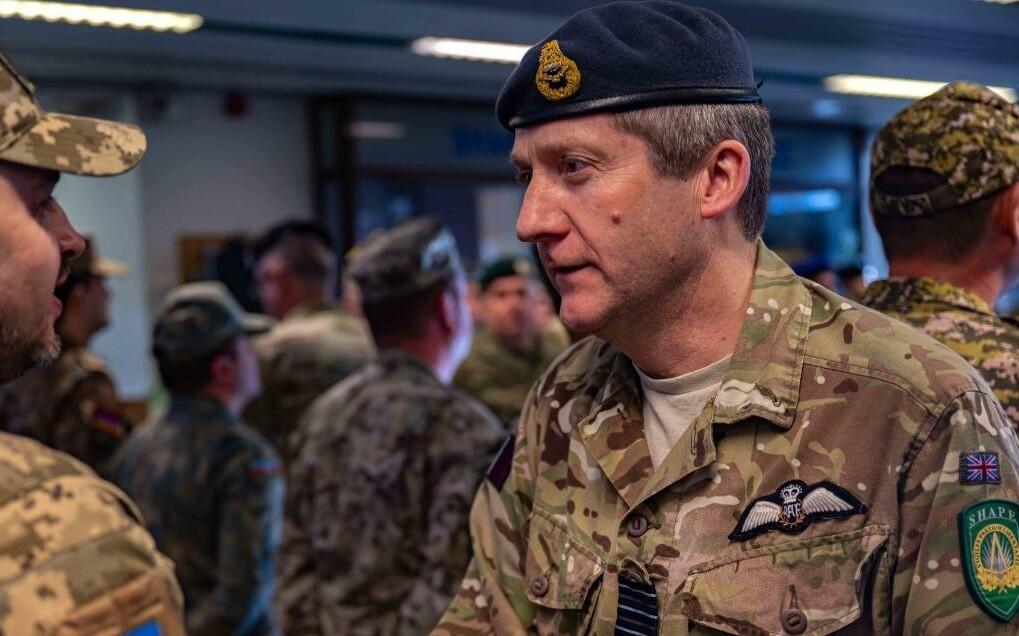
NATO would strike targets on another country's territory if needed to defend its members, NATO's top commander in Europe, Air Chief Marshal Sir Johnny Stringer told Postimees.
In an interview with the paper during the ongoing Estonian Defense Week, Stringer, Deputy Supreme Allied Command Europe (DSACEUR), said although NATO is a defensive alliance, "sometimes to defend, you have to attack."
The commander declined to put any timeline on a possible Russian attack, saying he would not "get drawn into discussions about whether we are talking about months or years."
He did say large-scale attacks would give NATO "indicators and warnings," though smaller operations can be organized more quickly and require constant readiness.
Stringer said NATO has spent several years developing deterrence and defense plans for the Euro-Atlantic area, with close attention paid to defending the three Baltic states.
Asked whether deep strikes against Russia would be needed, he said that if NATO found itself in a military conflict, attacking targets to ensure the security of European countries "is what we would do."
He said the course of what Russia called a three-day special operation, now in its fourth and a half year, "has not gone very well for Mr Putin."
On hybrid threats below the Article 5 collective defense threshold, the commander said NATO's military response is only one part of a wider collective response, with member states able to impose sanctions and expel diplomats.
Stringer said he was NATO's air and missile defense commander when the alliance shot down its first drones over Poland last September, and that rules of engagement and authorization are clearly defined.
Stringer noted NATO has since developed its approach further in response to a changed threat, adding: "You will see a new approach, although I cannot go into the details of it."
The full Postimees interview is here.
--
Follow ERR News on Facebook and Twitter and never miss an update!
Editor: Andrew Whyte
Source: Postimees