Largely EU-funded Narva defense base delayed by political turmoil
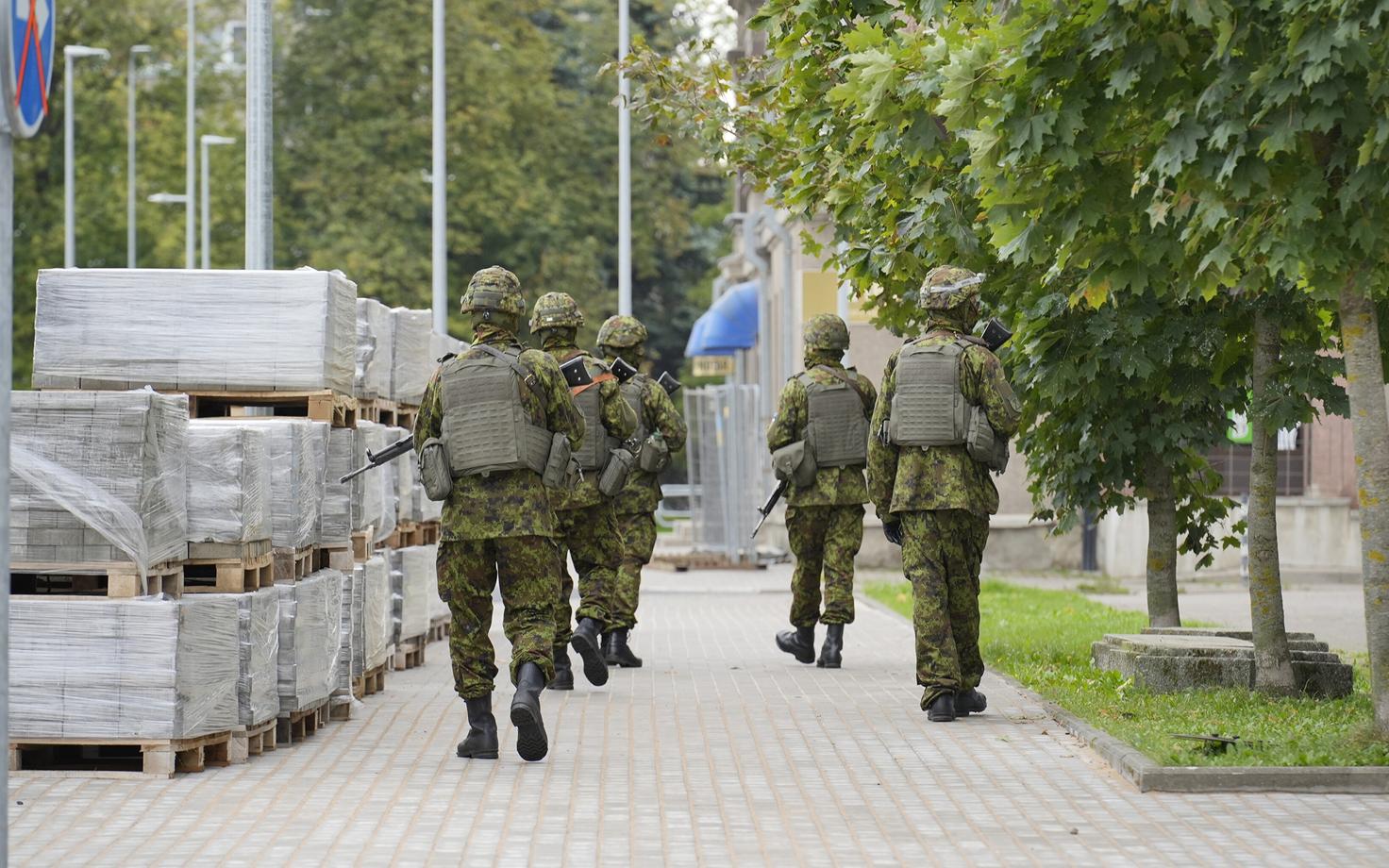
Construction of the Estonian Defense Forces (EDF) base in Narva will cost a little over €20 million and be completed six months later than planned, in summer 2028.
The cost rose by €5 million and the delay was caused by political turmoil in the eastern border town's government, which held up the allocation of land.
The base is largely funded by EU money and had originally been due for completion by the end of next year.
Ando Voogma, northern and northeastern portfolio manager at the Estonian Center for Defense Investments (RKIK), said construction costs were affected by the war in Iran and higher oil prices, while the EDF's requirements have also been refined.
"The previous situation in Narva politics and the city's administration prevented us from moving forward with the development of the base. I won't comment on all of it here, but until that decision was made, the process was effectively at a standstill. That's where we lost the time," Voogma said.
The land swap has now been completed and the construction contract could be signed as early as October, though main construction work will not begin until next year.
"The Defense Forces will get a command and headquarters building, accommodation buildings, catering facilities, a building for storing and maintaining equipment, a sports hall and the necessary infrastructure," Voogma said.
Until the permanent base is completed, the EDF is tol establish a presence in Narva at a temporary base using containers. Voogma said the procurement for this facility is in its final stages, with a contract possible in the coming weeks. Installation should begin at the end of the year, with the base to be ready in January or February.
The temporary base will accommodate a company-sized unit, while the permanent base once built will have indoor accommodation for up to 500 people plus tents for another 500. Around 200 personnel will be permanently stationed at the main base once it is open.
Of the total cost, about €19 million is to come from the European Union's Cohesion Fund.
Narva's city government was paralyzed for months in spring-summer 2026 due mainly to a power struggle between then-mayor Katri Raik and council chair Mihhail Stalnuhhin. The latter filibustered council sessions for 130 days and blocked no-confidence motions, while the opposition held a rival session and elected its own mayor.
Raik, who had previously been the town's mayor 2020-2021, was ultimately ousted in a no-confidence vote on July 25, and Jaan Toots (Center) took over as mayor. The land swap needed for the defense base finalization to go ahead followed this.
--
Follow ERR News on Facebook and Twitter and never miss an update!
Editor: Jüri Nikolajev, Andrew Whyte, Mirjam Mäekivi