Estonia imposes own sanctions on delisted Russian oligarch pair
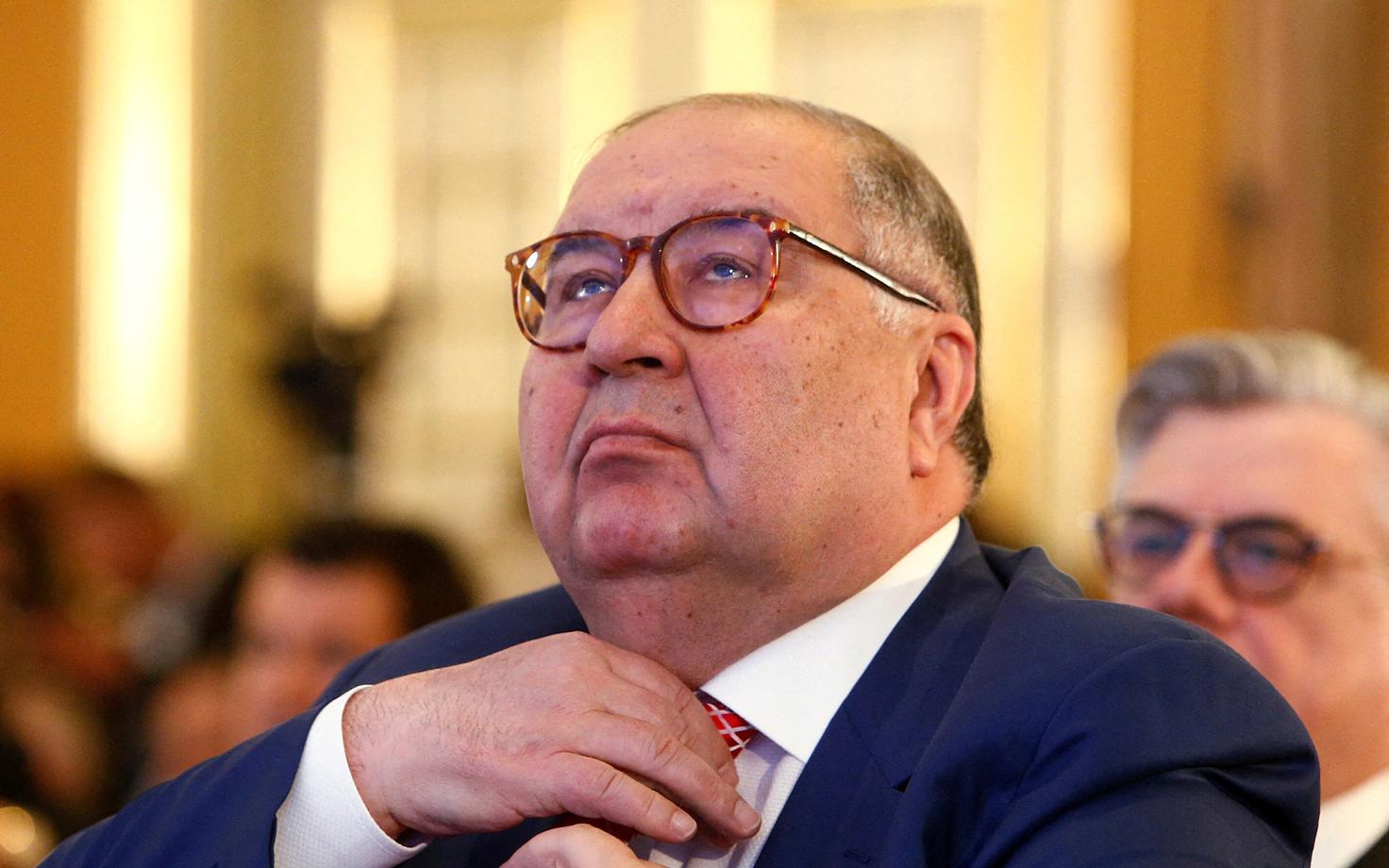
Estonia has imposed its own domestic sanctions on two Russian oligarchs removed from a European Union blacklist this week.
The pair, Alisher Usmanov and Mikhail Fridman, are Russian citizens and had been sanctioned in the wake of Russia's invasion of Ukraine.
Foreign Minister Margus Tsahkna (Eesti 200) on Wednesday used Estonia's e-state solutions to sign the relevant order remotely from New York, where he is attending the UN General Assembly.
"Estonia did not consider it right to remove these two prominent Russian businessmen from the EU sanctions list and did not support the decision. Russia shows no willingness whatsoever to end the war, so there is no justification for easing sanctions pressure," Tsahkna said.
"Usmanov and Fridman continue to support Russia's aggression against Ukraine and contribute to its continuation. That is why Estonia has imposed national sanctions on them," the minister continued via a press release.
EU countries agreed Tuesday to extend sanctions against Moscow, but under pressure from several member states, Usmanov and Fridman were removed from the blacklist — a compromise which left some member states, Estonia among them, warning the act sets a dangerous precedent for future sanctions renewals.
Both men were sanctioned in 2022 over their ties to the Kremlin and their businesses' support for Russia's war in Ukraine, and Fridman is separately suing Luxembourg for €15 billion over frozen assets.
France had pushed for Usmanov's removal citing national security concerns, reportedly under pressure from Azerbaijan over two detained French citizens, while Latvia blocked the deal before member states reached a compromise.
Azerbaijan on Wednesday pardoned French citizen Martin Ryan, accused of espionage and who had been sentenced to 12 years' prison time. The pardon comes a day after the EU agreed to delist Usmanov, whose removal France had sought amid the standoff over the detained French nationals.
Opposition leader: Estonia should have opposed lifting sanctions more strongly
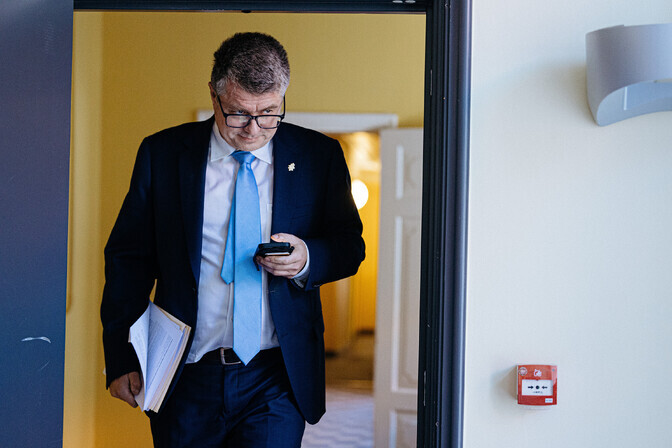
Estonia should have opposed lifting EU sanctions on Usmanov and Fridman more strongly, leader of the opposition Isamaa party Urmas Reinsalu said.
"Taking Usmanov off the sanctions list has, after all, been raised repeatedly throughout the war. By various countries, but previously above all by Hungary. Many different justifications have been put forward for it, but until now it has been possible to prevent it, and now it turns out that it was not possible to prevent it. This must be regarded as a psychological defeat in terms of the comprehensive effort to counter Russia's actions, because it sets a precedent," Reinsalu said.
Reinsalu said he had spoken with Latvian Prime Minister Andris Kulbergs and praised Latvia for its position as the last country to oppose the move. Latvia had initially blocked the EU decision to remove Usmanov and Fridman from the sanctions list.
"I was surprised that Estonia was unable to establish a similar common line of action," Reinsalu noted, adding it "would have been entirely justified for Estonia to have stood alongside Latvia in this situation and for there to have been more countries doing so."
"Russia's psychological influence has scored a certain victory. That is not in our interests. When this issue came so prominently to the fore, it should have been opposed publicly and more forcefully," Reinsalu added.
Riigikogu Defense Committee member Raimond Kaljulaid (SDE) however stopped short of criticizing Estonian actions on the matter.
While Kaljulaid noted "in opposition, you are supposed to use every opportunity to blame the government or criticize the government in some way … in this case, I nevertheless believe that the position was shaped not so much politically by the government as by Estonia's highly professional and knowledgeable foreign service and Foreign Ministry, as well as people in the Government Office and elsewhere who are professionals."
He also noted it would have been "unwise to be left completely alone in these European discussions."
At the same time, he said the EU decision was "very bad" and that "Europe is certainly showing weakness rather than resolve."
"I cannot imagine what the compelling reasons were that led our good European partners to make such a proposal in the first place and then push it through so forcefully," Kaljulaid added.
--
Follow ERR News on Facebook and Twitter and never miss an update!
Editor: Andrew Whyte, Aleksander Krjukov