Estonian MFA official: No reason to free 2 Russian oligarchs from sanctions
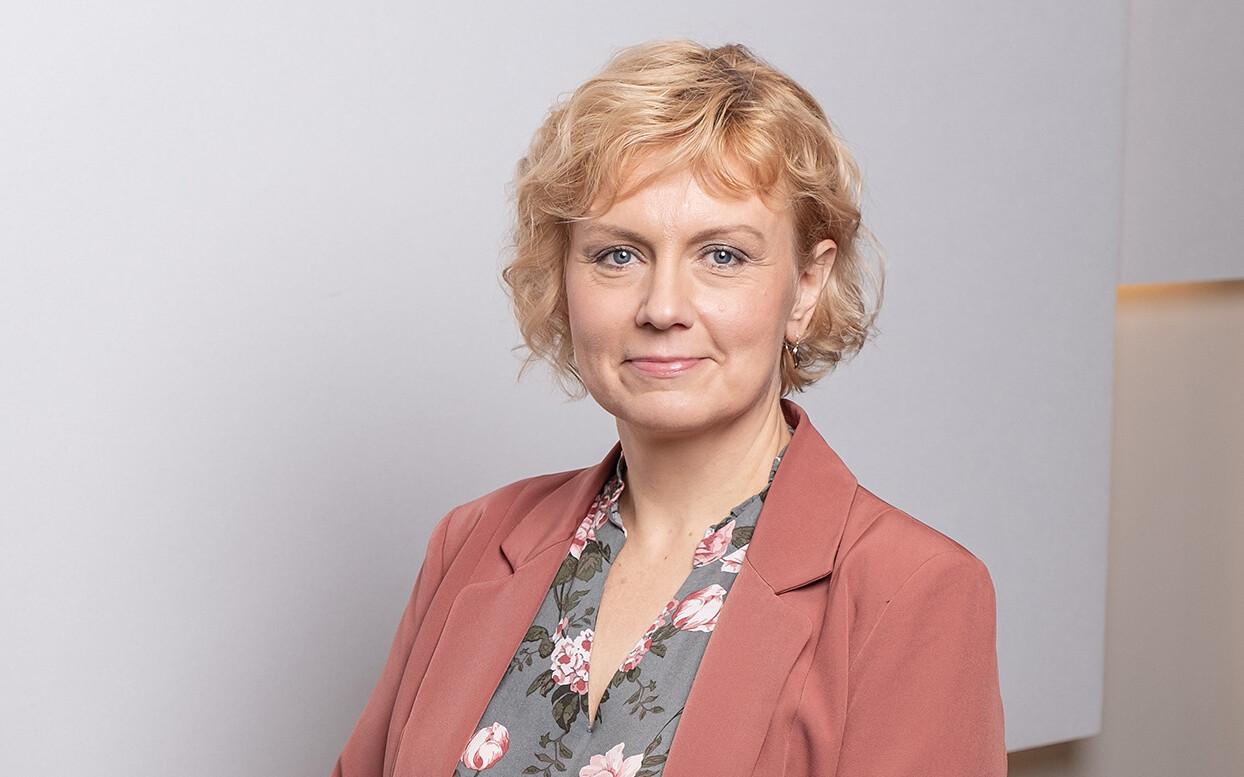
There is no reason to remove Russian oligarchs Alisher Usmanov and Mikhail Fridman from the EU sanctions list, as France, Luxembourg and Slovakia had sought, MFA Deputy Secretary General Kerli Veski told ERR.
European Union member state representatives agreed Monday to lift sanctions imposed on Russian oligarchs Alisher Usmanov and Mikhail Fridman. This was the price that had to be paid for member states to reach an agreement on extending EU sanctions against Russia.
The decision was blocked reportedly following objections from Latvia, Latvian public broadcaster LSM reported late Monday. Member state representatives must now find a new solution by midnight Tuesday.
The sanctions had already been due to expire a week ago, but member states temporarily extended them for another week in the hope of reaching an agreement with the countries that had made demands regarding the oligarchs.
The proposed agreement emerged after France and Luxembourg each proposed removing one of the men from the EU sanctions list, apparently for domestic political reasons.
"Both of these oligarchs have actually been on the sanctions list since 2022 precisely because they are oligarchs who support the Kremlin regime and support the aggression against Ukraine. None of the circumstances have eased, their position has not changed in any way and their activities have not changed. In our view, and in the view of most countries, there is no reason to remove these oligarchs from the sanctions list. But as for why some countries have now decided to act otherwise based on their national interests, that is a question for those countries themselves," Kerli Veski, deputy secretary general of the Ministry of Foreign Affairs, said.
Veski said the question ultimately is whether the EU should be in a situation at all where countries seek to have someone removed from the European Union sanctions list based on national interests.
According to Veski, such a loosening of the sanctions regime also poses a major risk going forward because it could send the wrong message to Russia.
"We can also add the question of whether, every time this comes up in the future, another country could come forward with its own national interests. It would set a very bad precedent if this were to go through in this form," Veski added.
Veski said the best solution would be to extend the sanctions regime again for at least six months or even for up to three years.
"From the very beginning, we have actually taken the position, not only alongside Latvia but alongside most countries, that removing anyone from the sanctions list for politically motivated reasons should not even be under consideration at this point. That has been our fundamental position throughout the negotiations and it is the position we have defended," Veski said.
"Now that we are down to the final hours, various questions and solutions are naturally on the table as to how we can ensure that those 3,000 names remain under sanctions. In other words, the most important thing for us is that the entire sanctions regime does not collapse. That is where things stand right now: how do we achieve that? Ideally, of course, without a single name being removed and with the sanctions regime extended for much longer periods instead of having to renew it every six months," Veski emphasized.
--
Editor: Marcus Turovski, Aleksander Krjukov
Source: "Uudis+"