Estonian MFA: Rumors of impending Russian attack blown out of proportion
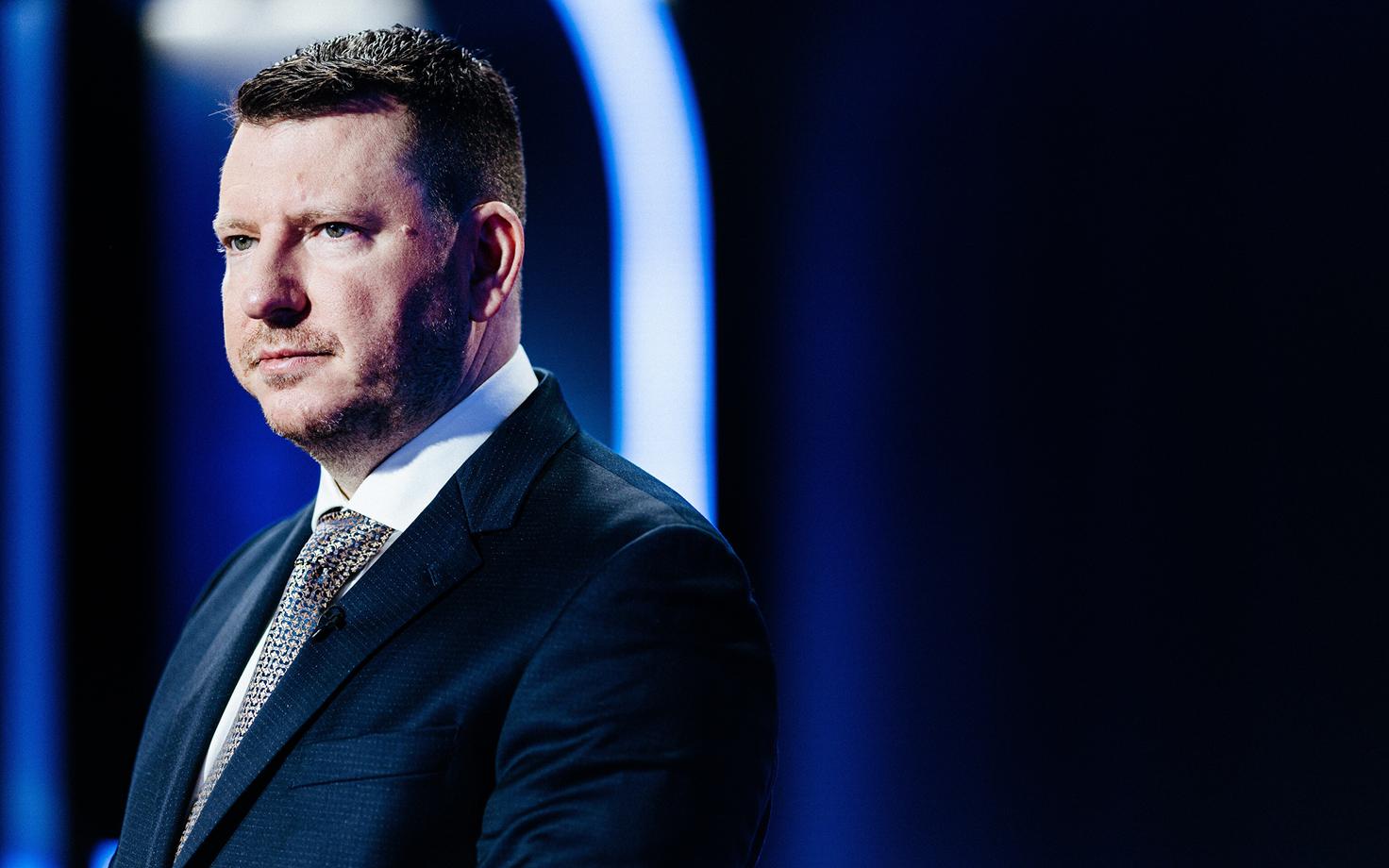
Recent media reports suggesting an imminent Russian attack on NATO and the Baltic states are unfounded, Foreign Ministry Secretary General Jonatan Vseviov said.
European Union countries will extend sanctions against Moscow, but under pressure from several member states, Alisher Usmanov and Mikhail Fridman will be removed from the blacklist. This means the two Russian billionaires may soon once again be able to operate more freely in Europe.
Foreign Ministry Secretary General Jonatan Vseviov said the choice was inevitably between a bad decision and an even worse one.
"With regard to these two individuals, this is certainly a failure, but that failure was the price that had to be paid to keep the other 3,000 names under sanctions. Estonia, of course, opposed removing these two names from the list, but as in real life, we do not make choices between good and bad options, but between bad and even worse ones," Vseviov said.
By Tuesday evening, Estonia had added Usmanov and Fridman to its own sanctions list. One positive aspect of the situation, however, is that sanctions that previously applied for six months will now remain in force for three years. According to Vseviov, the decision provides certainty that a similar dispute will not have to be fought again for some time.
"This is quite an important victory. It does not mean that our battles are over. We are now immediately going to start considering the next sanctions. Kaja Kallas has proposed adding around another 1,600 people to the lists and I have no doubt that those battles will sometimes be just as dirty as they were this time. But we will not give in and will go as far as we possibly can. The main objective is to ensure that the price of aggression continues to rise and, unfortunately, the reality is that in this process you sometimes have to choose between bad and even worse options," the Foreign Ministry secretary general said.
Vseviov said that, in the bigger picture, the most important objective is to inflict pain on Russia and increase the cost of its aggression.
"In this case, it was clear that if we had allowed the decision to fall through — and every one of the 27 member states has that option — then today we would not be discussing just two people being released from sanctions, but all 3,000 of them. That was something we did not even want to consider, so while the situation is bad, in the bigger picture sanctions on the other 3,000 people are now in place for three years. Those countries that demanded political exemptions will certainly hear a great deal more about this. I very much hope they also hear these questions from their own journalists and have to explain themselves why they did what they did — let them explain it," Vseviov said.
Vseviov was critical of the Russian elections held over the weekend, but noted that there had been concern within the Kremlin.
"Those elections were, of course, about as far removed from elections as anything can possibly be. For some reason, however, Russia's leadership was deeply concerned about them, was tense and worked intensely to ensure that the result was exactly what the scriptwriters had envisioned," Vseviov said, adding that Russia may now return to issues that it had previously not dared to address.
"Of course, keeping an authoritarian state's boat on course, or simply keeping it afloat, is not merely a matter of getting through election day. Dictators are generally afraid — they are afraid because there are no guarantees of any kind, because laws do not apply and there is no rule of law. The regime's power and stability more broadly simply rest on its strength. If the perception emerges that it does not have enough strength, absolutely everything can collapse at any moment. That is something that can never happen in democracies," Vseviov said.
According to Vseviov, Putin's regime wobbles every day as the country's fuel shortages, the continuation of the war in Ukraine and Ukrainian long-range strikes directly on the Russian capital Moscow undermine the dictator's image.
In recent weeks, however, there has been a great deal of media discussion about a Russian attack on NATO, which the secretary general said is the result of various circumstances coming together.
"Although Russia ultimately seeks, of course, to change the entire European security architecture, its top priority at present is still resolving the Ukraine issue. It very much needs to turn European countries against one another or paralyze us with fear — in any case, to divert us from the Ukraine policy we have pursued so far. Fear can infect us in many ways," Vseviov said.
According to the secretary general, a bombshell story about an imminent attack sells better and it is also possible that the views of well-intentioned people, analysts or political scientists have simply been taken out of context.
"But when you look at the narrative that has emerged from all this, you find facts that are true in themselves but have been blown completely out of proportion. For example, Russia makes some adjustments on the other side of the Narva River and now everyone across NATO is losing their heads and hyperventilating over it. Or claims are made that every one of us knows are untrue. For example, that Lithuania is currently making actual preparations to evacuate the population of Vilnius to Poland. These claims appear side by side and no one really delves that deeply into each specific, separate fact, but the overall narrative is one that leaves people breathless," Vseviov said, adding that there is no reason to believe Russia is about to attack NATO countries.
"I am pleased to confirm that there is absolutely no reason to believe that Russia is imminently going to launch a military attack on NATO, Estonia or the Baltic states. We can see beyond our borders. It is somewhat surprising to find ourselves, as representatives of Estonia, in a situation where, after years of explaining to our Western colleagues that Russia poses a strategic threat — and I assure you, it remains a strategic threat because it wants to fundamentally change the way Europe is organized — we now have to tell them: listen, friends, calm down, keep a cool head and breathe normally," Vseviov said.
The secretary general said there is no benefit in panicking or becoming paralyzed by fear. Instead, the situation should be assessed calmly and consideration given to what can be done.
"People talk about what happens if Russia tests NATO's collective defense. Well, what then? We need to make sure we successfully pass every conceivable test. And this is not a communications exercise where we think about how best to arrange our words. It is a question of where our forces are, what our readiness is and whether our allies remain politically and militarily united with us, including in other areas. These are practical matters that can be worked on and that is the work we are doing. So to everyone who is worried, I say: let's not worry, let's act instead," Vseviov stressed.
"If a situation arises in which we really do have to cry wolf, you can be absolutely certain that Estonia will do so. We do not intend to consider the option of silent surrender even in theory," Vseviov said.
--
Editor: Marcus Turovski, Johanna Alvin