Interior Ministry now publishes deceased people's personal data online
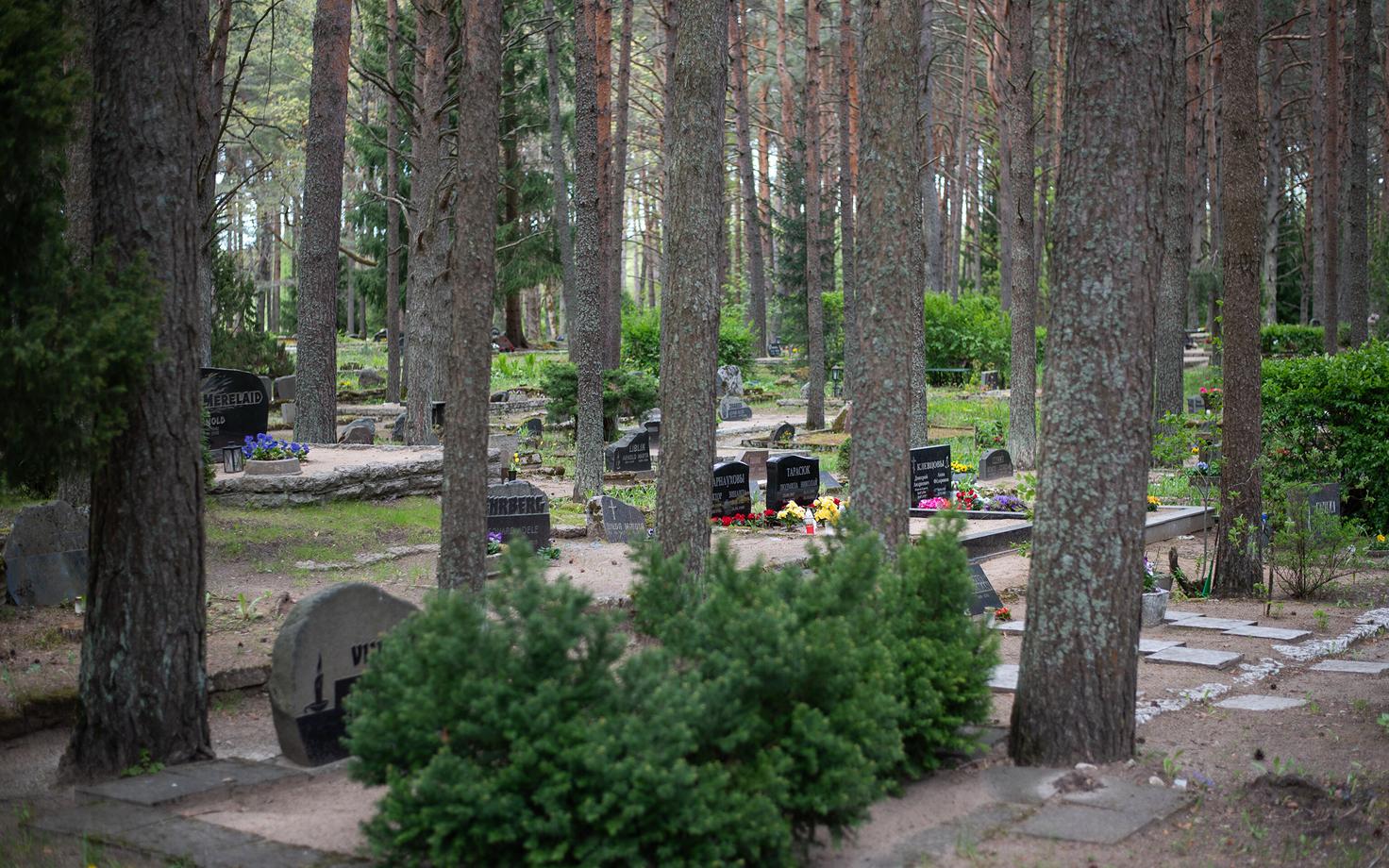
Since mid-September, Estonia's Interior Ministry has been issuing a table of personal data on people who have died in the past 100 years, replacing individual queries.
The dataset on andmed.eesti.ee includes personal identification codes, names and dates of birth and death for people born from 1926 onwards.
This data is updated daily, though with a cut-off from the preceding seven calendar days.
ERR asked the ministry what risks are associated with publishing personal data in this way and on this scale, at a time when the number of scams carried out, including those using artificial intelligence (AI), have been on the rise.
Enel Pungas, who heads up the Interior Ministry's population operations department, said while death data had previously also been made public, it was available only via individual queries. A machine-readable file allows the data to be processed more quickly, she said, so that organizations can retain information about their members or customers up to date – including canceling contracts in the event of death.
"This should also reduce the burden on relatives to provide proof, for example when canceling a deceased person's newspaper subscription or electricity contract," Pungas said.
Pungas noted the ministry had carried out a data protection impact assessment and mapped out potential risks, including of a family member or other person close to the deceased learning of their death via open data.
One measure to mitigate these, the ministry says, is publishing the data with a small time delay: Death data is published seven days after it is entered in the Population Register, so at least seven days after the person's passing.
"The purpose of the delay is to reduce the possibility of a relative finding out about a death through the open dataset. The delay also reduces the risk of false information about the death of a living person appearing in the open data, because incorrectly entered information in the Population Register can be amended before it is published," Pungas explained.
Statistics Estonia and the National Institute for Health Development (TEHIK) have also restricted the level of detail in their published cause-of-death statistics, to prevent individuals being identified by cross-referencing datasets.
In the event of attempted fraud, once a death has been registered, no new contracts can be opened using the deceased's ID code.
"Contracts cannot be concluded based on the name and personal identification code contained in death data. An identity document is also required. However, documents are declared invalid once the death is entered in the Population Register," Pungas said.
Before publishing data on deceased people as open data, it must be assessed whether doing so could harm the interests of the deceased person's relatives or infringe on their privacy, the Data Protection Inspectorate (AKI) noted.
Last fall, the AKI drew the Interior Ministry's attention to the need to carry out a data protection impact assessment.
"The impact assessment must describe what data is being published and for what purpose, and assess whether publishing the data in this way is necessary and proportionate," AKI public relations adviser Maire Iro-Miller said. "A prior assessment like this helps ensure that the interests and privacy of the relatives of deceased people are also taken into account."
--
Follow ERR News on Facebook and Twitter and never miss an update!
Editor: Andrew Whyte, Valner Väino



