Justice chancellor urges balance between security powers and rights protections
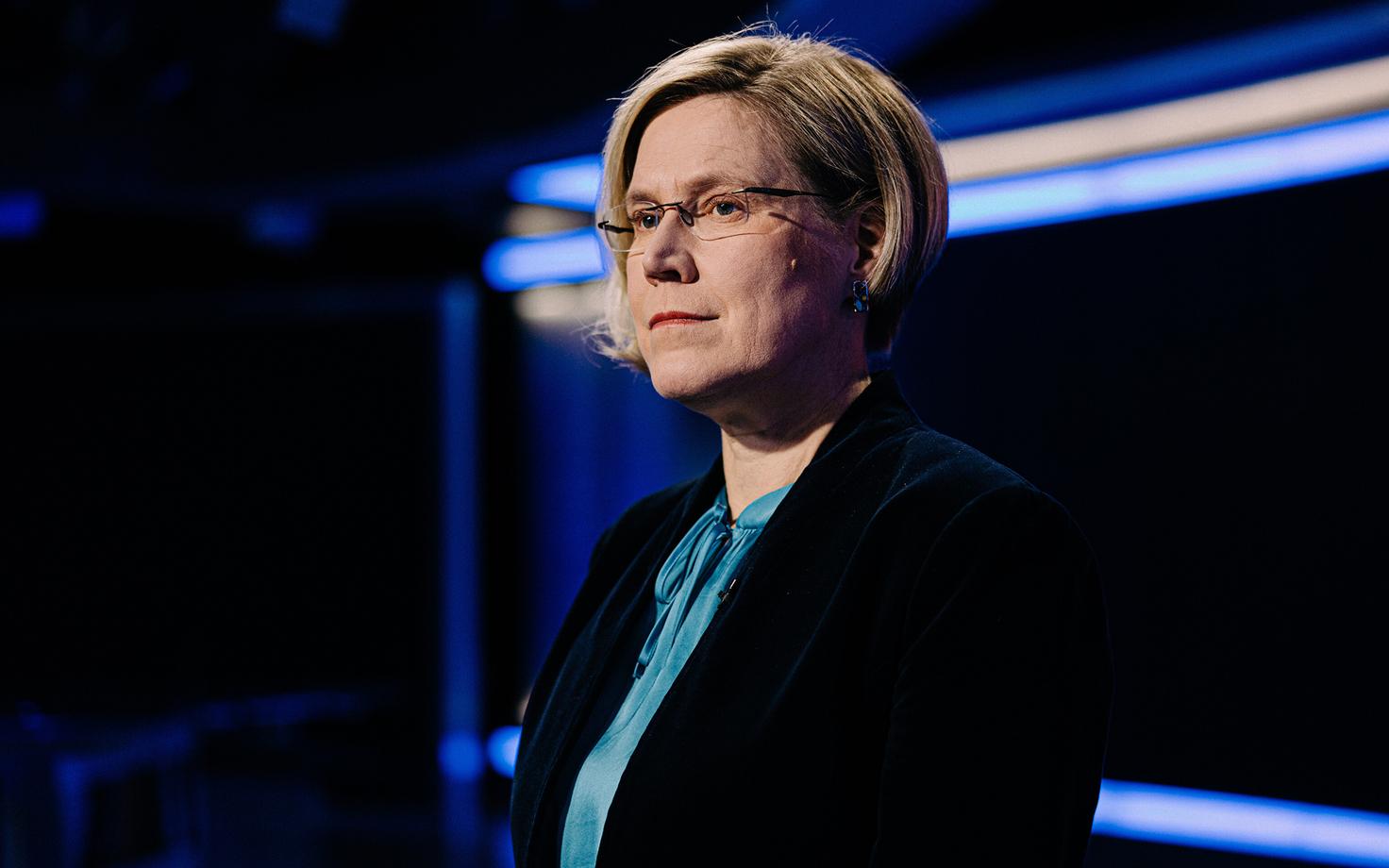
Chancellor of Justice Ülle Madise says that when granting security agencies the powers needed in a difficult security situation, strong and substantive oversight must be ensured so that security is not guaranteed at the expense of fundamental rights.
At Tuesday's sitting of the Riigikogu Constitutional Committee, Madise said that based on the inquiries submitted to her, increased tension and dissatisfaction can be observed in society.
In her view, there is also a trend in which the state and authorities want to collect more and more data about people and use it in decision‑making. "Often there is a desire to prevent as many risks as possible and increase control over various activities," she said.
Madise said a balance must be found between security and the protection of fundamental rights. "Preventing serious crimes and security threats is necessary, but at the same time people's privacy and freedoms must be respected," she stated.
She noted that excessive control may reduce people's trust in the state and society. Madise also drew attention to the growth of administrative burden and bureaucracy. "A large part of bureaucracy is linked to the desire to mitigate all possible risks and ensure full control over various activities," she said. Every new requirement brings additional checks, disputes and administrative burden for both individuals and authorities.
Requirements must be assessed for necessity
Madise recommended that lawmakers assess whether each new obligation or requirement is truly necessary. She cited an example in which an entrepreneur had to prove to an authority that their activity met certain requirements, even though the restriction did not directly stem from legislation.
In her view, such situations create unnecessary administrative burden and tension. Regarding the activities of security and law‑enforcement agencies, she said that on the one hand there is a desire to give them more powers to ensure safety in a difficult security situation, but on the other hand public criticism and doubts about their activities are voiced.
Madise said the Chancellor of Justice's office has carried out inspections in these agencies, and based on them it can be concluded that while isolated mistakes occur, the agencies are generally interested in correcting problems and no fundamental systemic disputes have been identified.
She drew separate attention to the system of access permits for state secrets, where she believes full‑scale security checks are used too often in situations where a simpler background check would suffice.
Ants Frosch, an unaffiliated member of the Riigikogu, said that as someone familiar with the field, it is difficult to get a comprehensive overview of how oversight of security agencies is conducted in Estonia. He asked Madise what the oversight system should look like in her view.
Oversight based on complaints and on own initiative
Madise explained that oversight of security agencies by the Chancellor of Justice takes place both through handling complaints and through inspections initiated independently. She gave an example of a case in which a person suspected unlawful intelligence gathering, and the Chancellor of Justice's office thoroughly examined all of the claims. In cases where violations were confirmed, recommendations were made to eliminate them; in other cases, the complainant was informed of the results.
The office also reviews procedures related to covert surveillance and wiretapping, including the existence of permits, work organization and the functioning of internal control systems. Madise said attention is paid to ensuring that surveillance activities are carried out only as provided by law and that unauthorized actions are excluded. Oversight includes organizational measures intended to reduce the risk of possible abuses.
"In Estonia, the oversight system for security agencies should be reviewed and focus more on methods that actually allow violations to be detected or suspicions to be convincingly refuted," Madise said.
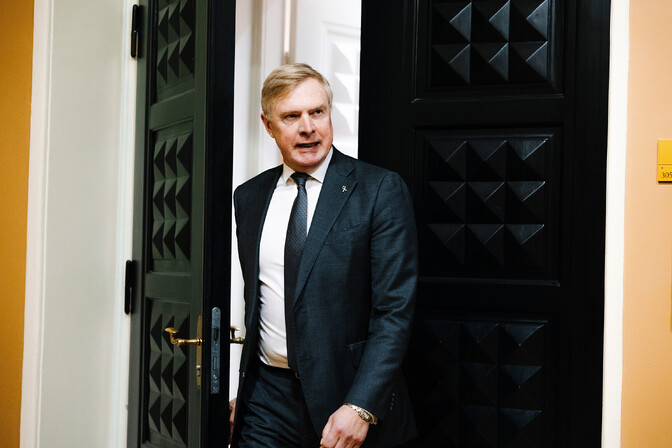
Former minister and MP Kalle Laanet noted that isolated problematic cases in surveillance or data collection have created a situation in which lawmakers are cautious about granting new powers.
Perception of widespread surveillance
"There is a perception in society that widespread wiretapping and monitoring of people's activities is taking place, even though this does not reflect reality," Laanet said. He referred to Madise's description of substantive oversight and asked whether balance could be achieved not by limiting the tools of law‑enforcement agencies, but by strengthening independent oversight.
In his view, security and law‑enforcement agencies should have the necessary tools to operate in a rapidly changing security environment, but at the same time their activities should be subject to stronger substantive oversight.
Madise replied that in her view this is the right approach. "Security and law‑enforcement agencies must have the necessary tools to detect and prevent increasingly complex crime and activities directed against the Estonian state," she said. At the same time, she stressed that the more extensive and effective these powers are, the stronger and more substantive the oversight of their use must be.
"Oversight must be real and effective, and organized in a way that is manageable for the state," Madise said. In her view, superficial oversight has no value, because it does not help detect violations or increase public trust. Such formal oversight may also negatively affect the motivation of the agencies being monitored.
--
Editor: Merilin Leetna, Argo Ideon