Deposit rates rise, but most savings stay in checking accounts

Interest rates on term deposits in Estonian commercial banks have risen along with the increase in Euribor, and forecasts suggest the rise will continue in the near future. The volume of deposits has also grown, but the majority of money still remains in current accounts.
According to Eesti Pank, the average interest rate on term deposits in August was 2.1 percent. The previous month it was 2.05 percent, and at the same time last year 1.97 percent. Interest rates on one‑year deposits have now risen to around 2.5 percent.
"Banks need to attract these deposits, so they raise interest rates. And since overall market interest rates have also increased, banks must lure money in with higher rates. If they could get it cheaper a year ago, today they have to pay a bit more themselves so they have funds to issue more loans," said Eesti Pank economist Taavi Raudsaar.
The rise in deposit interest rates will likely continue in the near future.
"In a two‑year perspective, deposit interest rates will probably still grow a little, because the Euribor outlook is also upward, and that largely determines how high term‑deposit interest rates are," Raudsaar added.
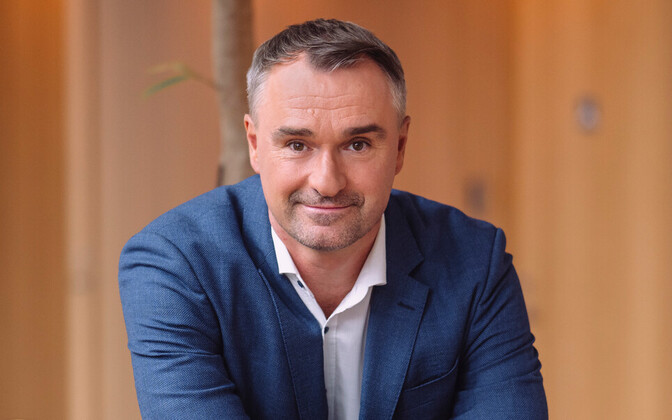
Swedbank has raised deposit interest rates three times this year.
"For those who want to lock in their money for a longer period, for example 12 months, we currently offer an interest rate of 2.5 percent. But for clients who want to keep liquidity, we recommend our savings product, where the interest rate we offer today is 1.75," said Swedbank's head of retail banking Tarmo Ulla.
SEB also offers a one‑year term deposit with a 2.5 percent interest rate. According to Eesti Pank statistics, the volume of deposits has grown by one billion euros — or 7.5 percent — over the past year. SEB's head of savings and investment, Elisabet Visnapuu, said the growth has been driven not only by higher interest rates but also by the removal of the tax hump.
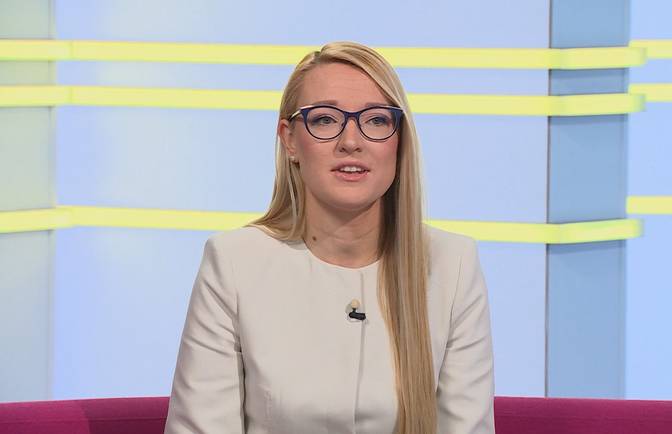
"As a result of eliminating the tax hump, people's net salaries increased. Overall wages have risen, but on the other hand there is economic uncertainty. People increasingly understand how important it is to have a financial buffer," Visnapuu said.
However, for many people, money still sits in current accounts.
"Household deposit volumes have steadily grown, which shows that wage growth has driven this, as well as changes in people's consumption habits. But the other side of the coin is that deposits are very unevenly distributed among private customers. We still see today that about 72 percent of our clients live from paycheck to paycheck," Ulla said.
--
Editor: Aleksander Krjukov, Argo Ideon


