Viru Prison inmates learn to do traditional Estonian handicraft
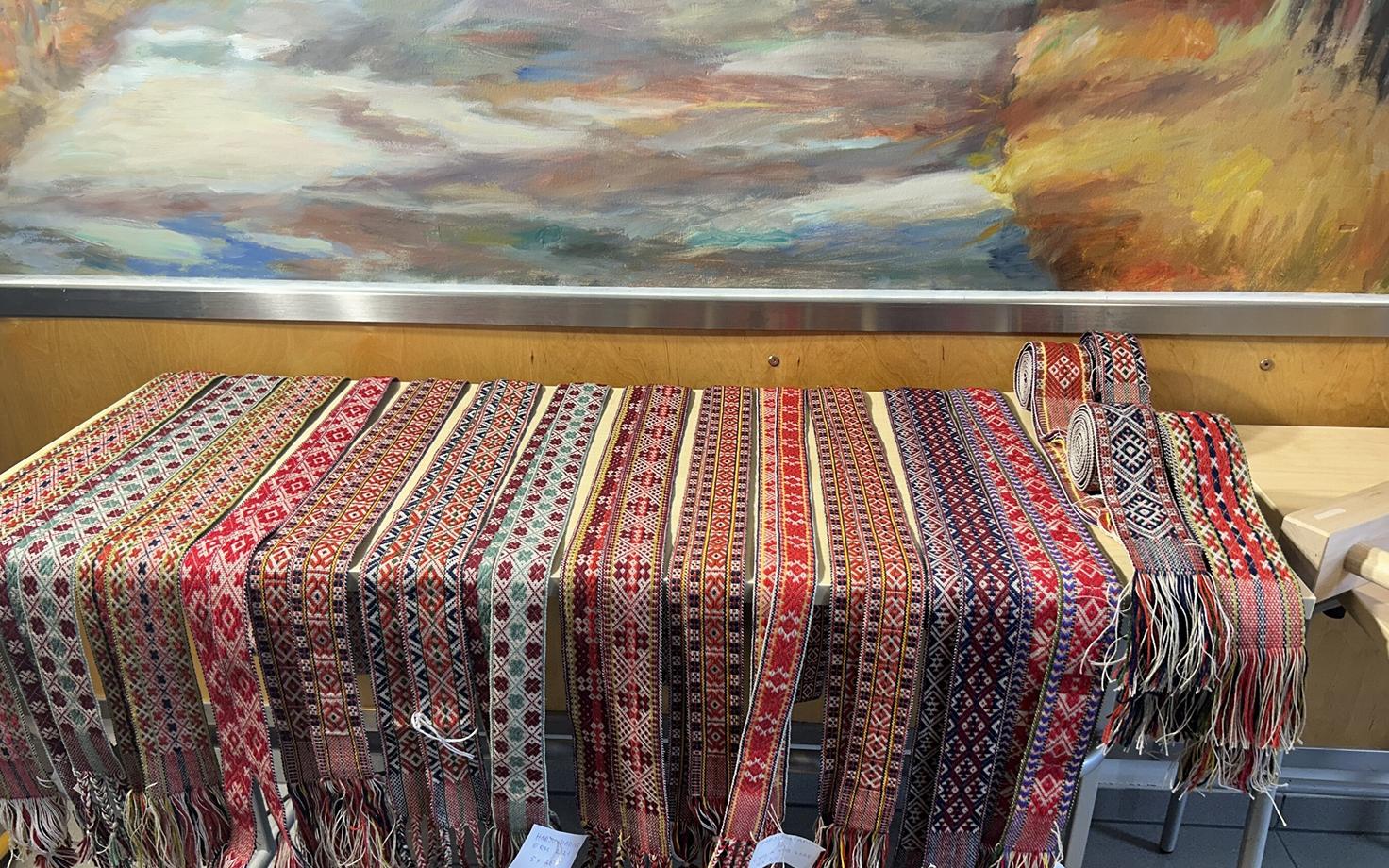
Inmates at Viru Prison taught themselves to weave traditional Estonian patterned belts. They have become so skilled that their work is now sold at the Estonian National Museum.
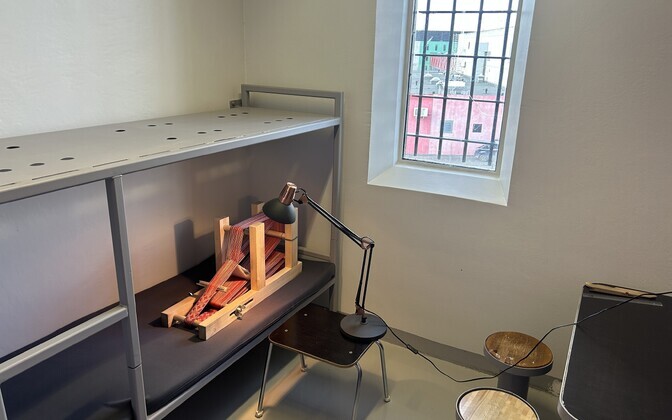
Viru Prison was looking for a way for inmates with restricted movement rights to work in their cells. Weaving traditional patterned belts was found to be a suitable option, with the looms also made at the prison. A year ago, one inmate taught himself to weave the belts using a book and a video and now teaches other inmates as well.
"When the first practice belt was finished, I asked him how it was going. His eyes lit up and he said, you know, it's like a jeweler's work: It requires concentration, it requires precision and it requires patience," said Taavi Puusepp, head of Viru Prison's second unit.
The prison asked the Estonian National Museum (ERM) to assess the work and also received valuable advice from the museum's Center for Folk Culture and Information. The patterned belts have now even gone on sale in the ERM store.
"We are very grateful for every contact with someone who makes authentic patterned belts. We don't accept just any patterned belt; we have our own committee that reviews the quality. The belts that were offered to us were of very high quality and we are very happy to have been able to add them to our selection," said Liina Kuzemtšenko, ERM's head of sales and services.
Patterned belts are very popular items at the ERM store. "Especially when a Song or Dance Celebration is approaching, the situation tends to be that we cannot offer as many as there is demand for, so we are always looking for artisans who make authentic patterned belts," Kuzemtšenko said.
Belts made at the prison are not separately labeled at ERM, but Kuzemtšenko said that if a customer specifically wants one made there, staff can find one for them.
Külli Valk, a curator at the Estonian National Museum's Center for Folk Culture and Information, said museum staff were very surprised and excited when the prison contacted them this spring to show them the patterned belts made by inmates and ask them to assess their quality.
"They brought a lot of pieces with them and the quality varied. But the woven belts had complex patterns and were technically of very high quality. We were able to take original items from our collection and compare them with the work made at the prison. We recommended where they could buy yarn in a more authentic warp shade and emphasized that they should pay attention to the colors of the yarn in the original belts," Valk said.
"Looking at the belts now on sale in the store, I can see that they really are top-notch. It's surprising that they've managed to make the belts so authentic. We're very happy about that," Valk added.
In addition to ERM, there are plans to sell patterned belts made by inmates through an online store operated by the prisons' business center, which is due to open soon. The prison sees this as an opportunity to make its own contribution to Estonia's cultural heritage.
"A patterned belt isn't just an object. It carries Estonia's story and at the same time, it represents one person's opportunity to change their own story for the better. You're not only getting a handmade belt; you're also helping someone develop good work habits and return to society, while preserving cultural heritage," Puusepp said.
A total of five inmates at Viru Prison weave patterned belts. According to Puusepp, one inmate makes an average of two belts a month, while the most industrious make four.
--
Editor: Marcus Turovski, Johanna Alvin
Source: "Aktuaalne kaamera"