Estonia drafts prisoner of war regulations
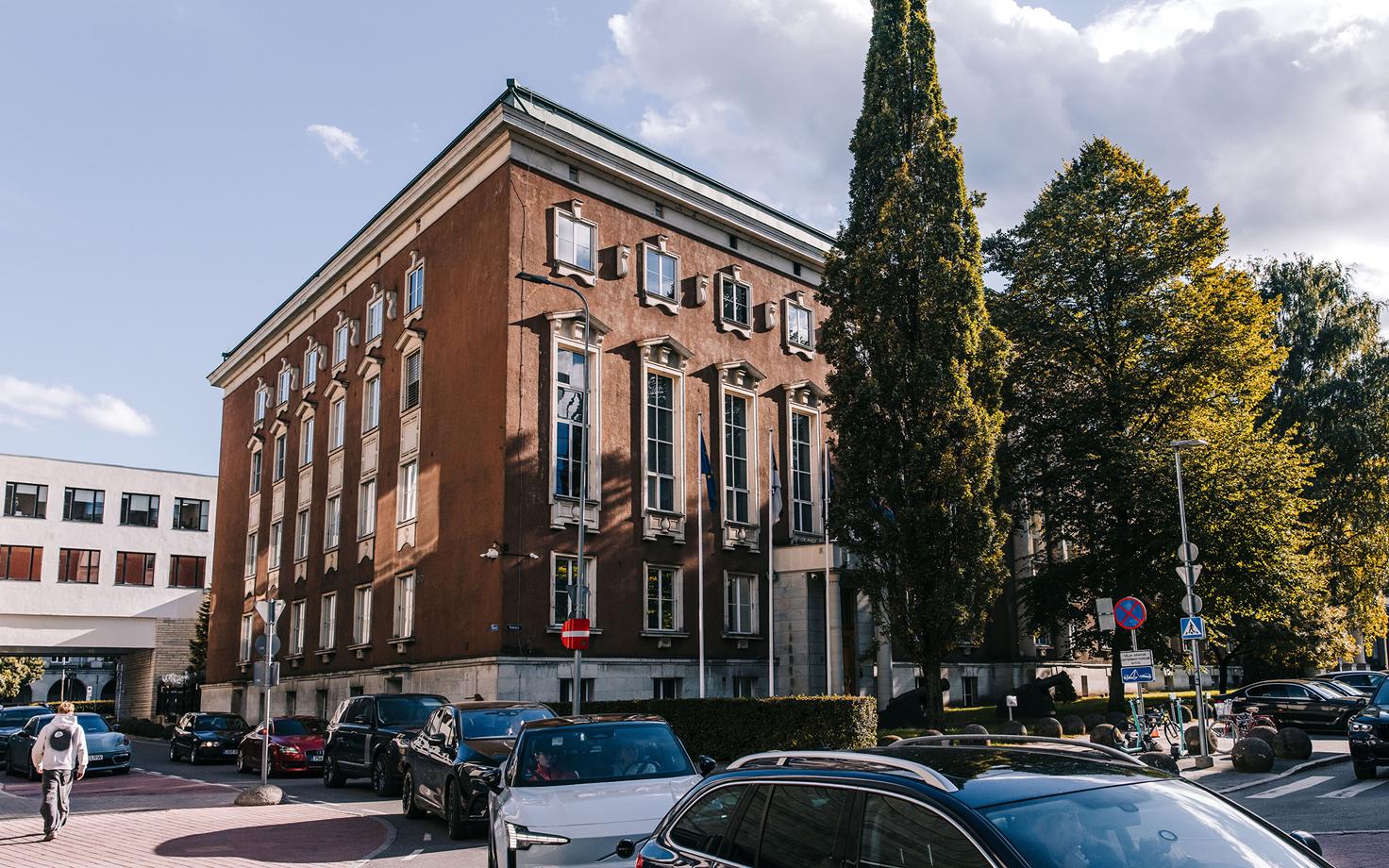
Regulations governing the conditions and procedures for the detention of prisoners of war in Estonia have been drawn up by the government and the Ministry of Defense and sent for consultation. Minister of Defense Martin Herem said this is a natural development.
Since Russia's full-scale invasion of Ukraine, Estonia has boosted its eastern border security, defense spending, crisis preparedness, and legislation in preparation for a potential future conflict.
The draft regulation governs procedures for detained prisoners of war, including the principles of short- and long-term detention, the duties of institutions involved in detention, and inter-agency cooperation.
However, it does not outline arrangements for the transfer and exchange of prisoners of war between countries.
The Prison Service and the Estonian Defense Forces (EDF) are responsible for organizing prisoner detentions, it states.
The draft specifies that the short- and long-term detention and treatment of prisoners of war must comply with the principles laid down in the Geneva Convention relative to the Treatment of Prisoners of War of August 12, 1949.
"Prisoners of war must be treated humanely throughout their detention and must not be discriminated against on the grounds of race, nationality, gender, religious beliefs, political views or other such characteristics. Humane detention conditions must be guaranteed for prisoners of war at every place of detention," it reads.
Under the draft, prisoners of war have the right to submit requests and complaints concerning detention conditions to the competent authority responsible for organizing their detention.
The legislation also sets out requirements and responsibilities for both the short- and long-term detention of prisoners of war.
Defense minister: We must be prepared
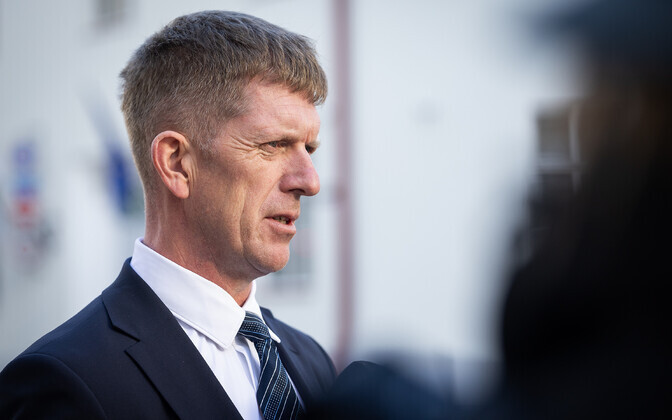
Minister of Defense Martin Herem told ERR that the issue of prisoners of war has been dealt with for two years already.
"While until now this was regulated primarily within the Defense Forces, starting with how prisoners are captured, how they become prisoners and how they are transported to rear areas, keeping them somewhere for an extended period required a division of responsibilities within the state. That means dividing responsibilities with the Ministry of Justice and detention institutions, assigning them tasks and regulating their obligations. We have also drawn on and learned from Ukraine's experience," said Herem, who is the former commander of the Estonian Defense Forces.
He said there is nothing extraordinary about preparing such a draft regulation and that it is simply a natural development.
"We are developing our national defense step by step and addressing increasingly detailed issues. Should we find ourselves in a military conflict, there will undoubtedly be prisoners of war, and we must be prepared for that," Herem said.
Earlier this year, the Dutch armed forces tested a new new prisoner-of-war camp design capable of of holding up to 2,000 captured Russian soldiers in the event of a large-scale conflict, Dutch media reported in June.
--
Follow ERR News on Facebook and Twitter and never miss an update!
Editor: Helen Wright


