New defense minister to start by analyzing EDF inventory accounting
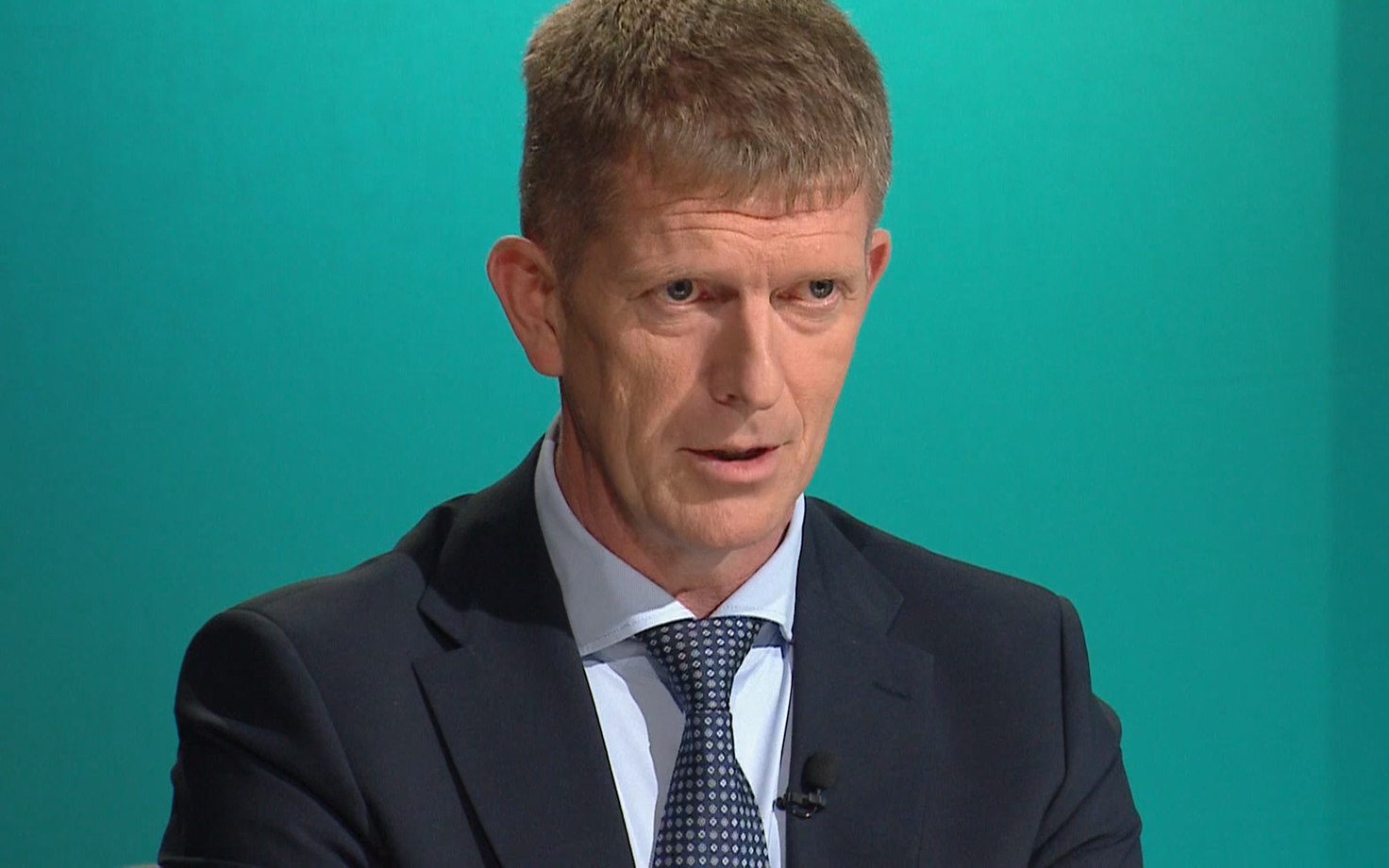
Income Defense Minister Martin Herem told ERR that his first priority is to understand the Defense Forces' inventory accounting process and devise new solutions to improve the situation.
"The very first thing I want to get a clearer picture of is the entire inventory accounting process, so I can understand which elements are preventing us from doing it properly. Then we can start removing those obstacles one by one. I know that some processes are already underway at the Ministry of Defense, but I have almost no understanding of them and it is extremely important that I do not start dismantling solutions that are already working," Herem said.
According to Herem, what is currently being described as disorder in the Defense Forces is the fact that its inventory accounting does not comply with accounting rules.
"The reasons for this disorder need to be identified. If we have been unable to resolve this for several years, perhaps things need to be done differently. I cannot say yet what that would entail, but I repeat that we need to look at the entire process from beginning to end and identify the bottlenecks. Because right now, if the EDF is indeed carrying out additional inventories, those inventories do not improve the system in any way. They provide assurance that the items that were there a month ago are still there, but they do not improve the system," Herem said.
"I still believe that we cannot continue with the old system and that in order to adopt a new system — perhaps one used in the civilian sector — we may need to change our own procedures," he added.
Herem said he believes Auditor General Janar Holm's current criticism stems from the fact that Holm does not see the situation improving.
Fear is greater if people do not know what might happen
Herem said his goal as minister is certainly not to stoke fears of war, but to provide accurate information that would ensure the country and society are prepared. In his view, there are three key issues in national defense.
"I have talked about strategic depth and I think we need to establish very quickly where we stand in the Baltic Sea — whether the Baltic Sea constrains us or whether it is actually our route to the West. Today, 60 percent of our trade and 80 percent of Finland's trade passes through it, so we should understand what happens in a crisis, what happens during a war, whether that route remains available or not. And that message needs to reach businesses, other countries, investors — everyone," Herem said.
"The next point is the Baltic Defense Line. This is not just about digging trenches; it encompasses everything from obstacles to hospitals, including energy and communications. It includes accommodation and catering. We also need to get a clear picture of this and communicate it to businesses, both as a task and, in fact, as an opportunity to survive in the event of a crisis or war. These are lessons from Ukraine," Herem said.
"We need to start talking about these things very quickly, right now. And I have a feeling that this would actually help businesses and perhaps encourage investment. Because today, fears arise mainly because people do not know what might happen and they do not know what the solutions are. When people know all of this, they are not as anxious," he added.
Herem said he could not yet name the new permanent secretary of the Ministry of Defense because no one had yet agreed to take the position. He said the permanent secretary could be someone with a background at the ministry.
"These are people who work there today or who have worked there in the past. And I would rule out Kusti Salm right away, so no one starts discussing that possibility — there is no point. Let me put it this way: as of today, I definitely rule that out," Herem said.
--
Editor: Marcus Turovski, Aleksander Krjukov
Source: "Esimene stuudio"


