Estonians still returning bottles despite unchanged 10-cent deposit
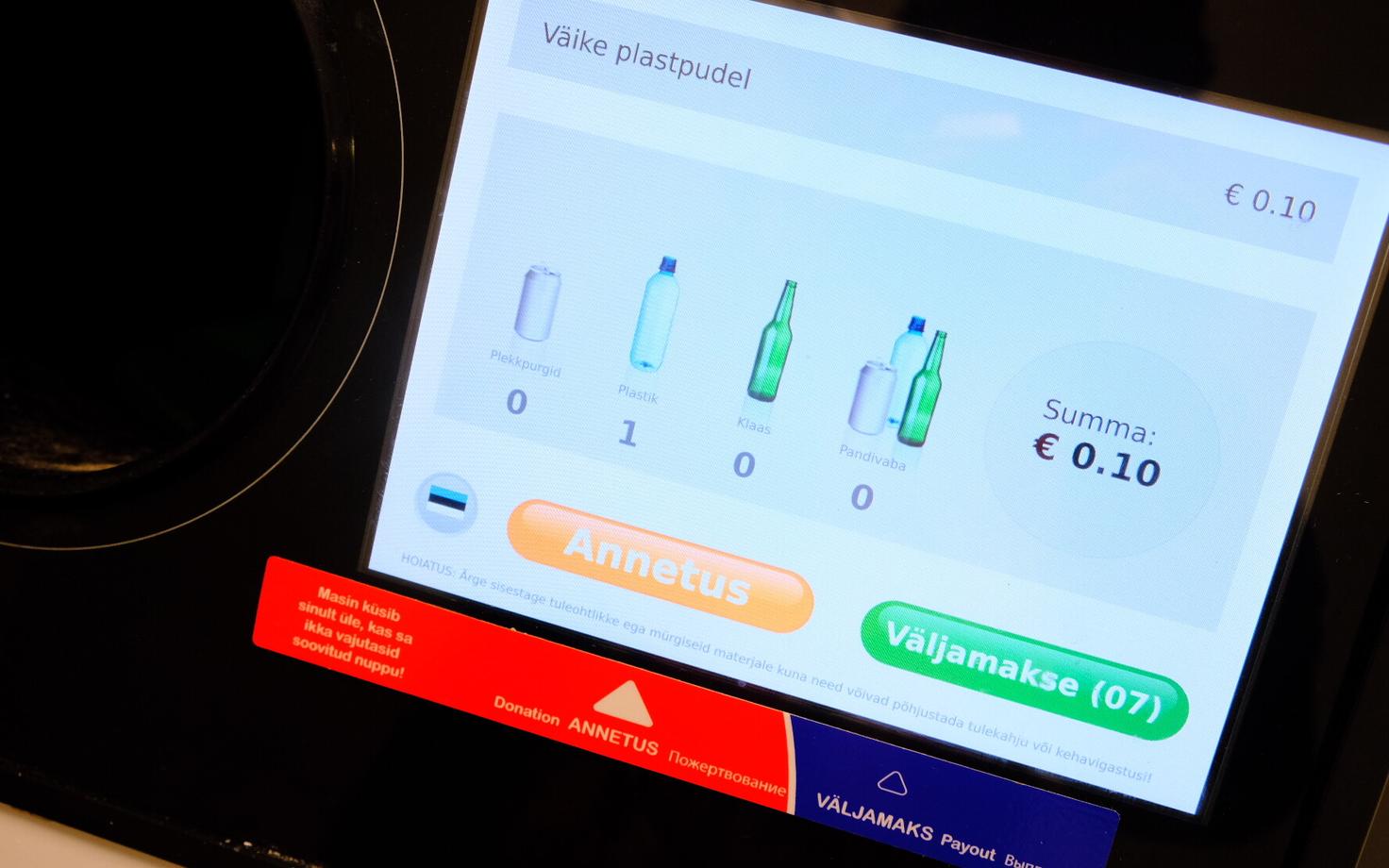
People in Estonia continue to return bottles at high rates despite the 10-cent deposit losing value to inflation, giving the state little incentive to raise the fee.
Eesti Pandipakend collected more than 355 million single-use containers last year, about 1 percent more than in 2024. Return rates reached 86 percent for glass, 91 percent for metal and 88 percent for plastic.
The deposit was last changed in 2015, when rates for different types of beverage containers were standardized at 10 cents. Since then, prices have risen significantly, but bottle return rates have remained high despite the deposit staying at 10 cents.
Dagny Repp, head of packaging waste at the Climate Ministry's Circular Economy Department, said there is no need to raise the deposit amount while return rates remain stable.
"We should consider changing the deposit if return rates start to noticeably dip," she said.
Some deposit containers never make it back to bottle-return machines because they are thrown in regular trash or recycling, damaged or, as Repp noted, taken out of Estonia, such as when visitors from abroad take purchased beverages with them.
Others may not be reflected in the statistics until later, as bottles can be purchased one year and returned the next.
Bottle return service provider Eesti Pandipakend posted €55.5 million in revenue and a net profit of €2.15 million last year.
Most of its sales revenue comes from deposits on containers placed on the market, followed by revenue from selling packaging waste and handling fees paid by packaging companies.
--
Editor: Karin Koppel, Aili Vahtla


