Auditor general: Pension hikes won't hinge on state budget being passed
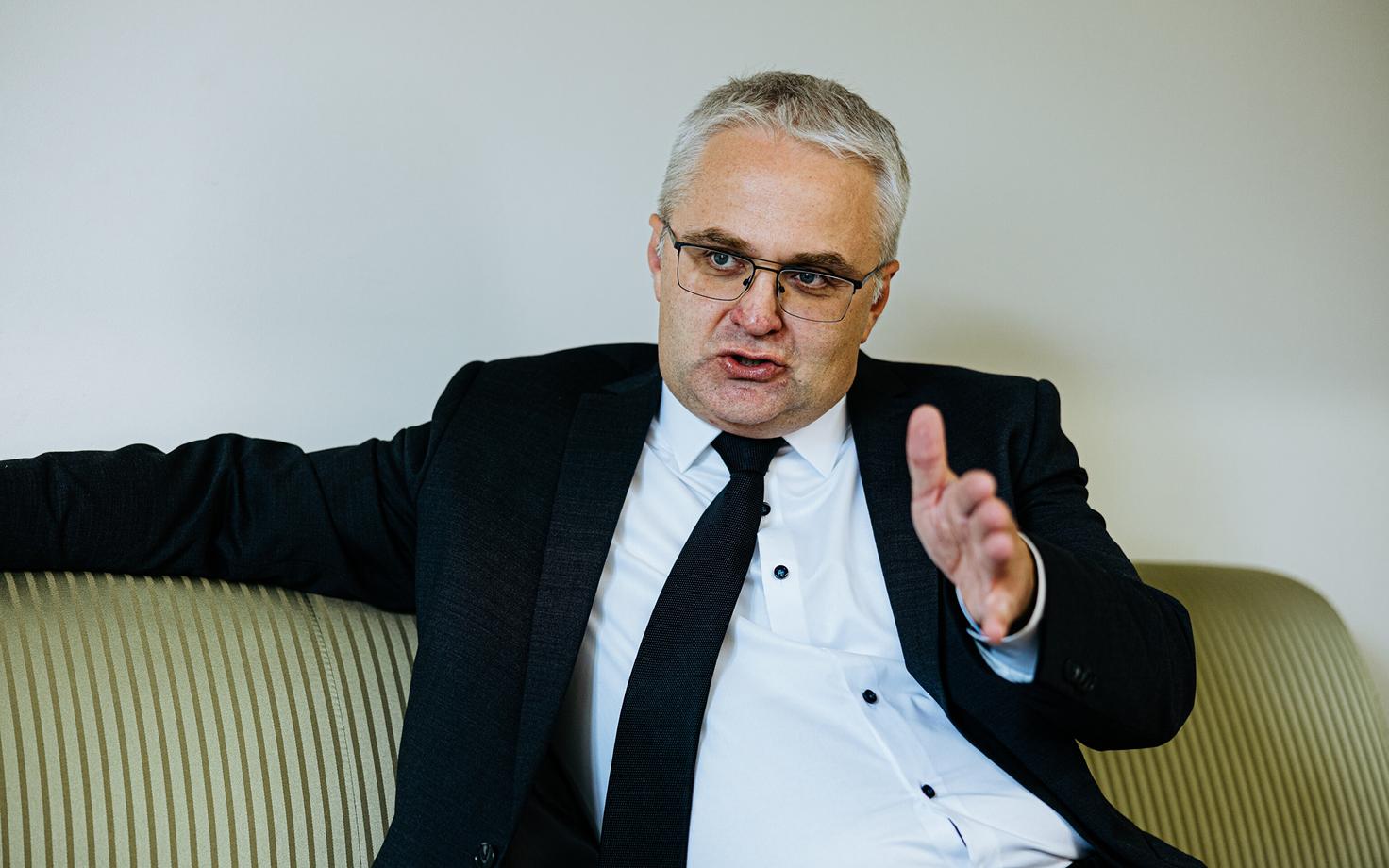
Pensions in Estonia will rise next year even if the Riigikogu fails to pass the 2027 state budget in December, says Auditor General Janar Holm.
Holm rejected claims by governing politicians that pensions and pay raises for senior public officials would be jeopardized if the budget is not approved.
Speaking on Vikerraadio's "Uudis+" on Monday, Holm explained that pensions are indexed each year on April 1 under the State Pension Insurance Act, making the annual increase a legal obligation independent of the state budget.
"To the best of my understanding, the pension amount does not depend on whether the state budget is adopted," he said.
The same applies to pay increases for senior public officials because those are also required by law. However, planned raises for teachers could be affected, as they are not statutory obligations and cannot be distributed without an approved budget.
"But as far as pensions are concerned, based on my understanding, I'd say that pensions are clearly a statutory expense and do not hinge on the passage of next year's state budget," Holm reiterated.
State won't grind to a halt
Holm explained that if the Riigikogu doesn't pass the 2027 budget, the Estonian government will have to use the previous year's budget as its basis, checking whether each expense was included and limiting monthly spending on it to one-twelfth of the amount allocated for that purpose in the previous year's budget.
He said that could affect investments, while new spending not included in the previous year's budget would not be able to go ahead until the new budget is approved.
If the budget bill allocates less for a particular expense than the previous year's budget, he added, spending must also stay within the lower proposed amount.
"The budget should still be passed, as the state operates on the basis of that budget," the auditor general said, but emphasized that the country will not grind to a halt if the Riigikogu doesn't pass it in time.
The Constitution and other laws, he noted, provide various mechanisms for handling such situations.
--
Editor: Mirjam Mäekivi, Aili Vahtla


