Southeastern Estonia inks pledge for more Võro and Seto in schools
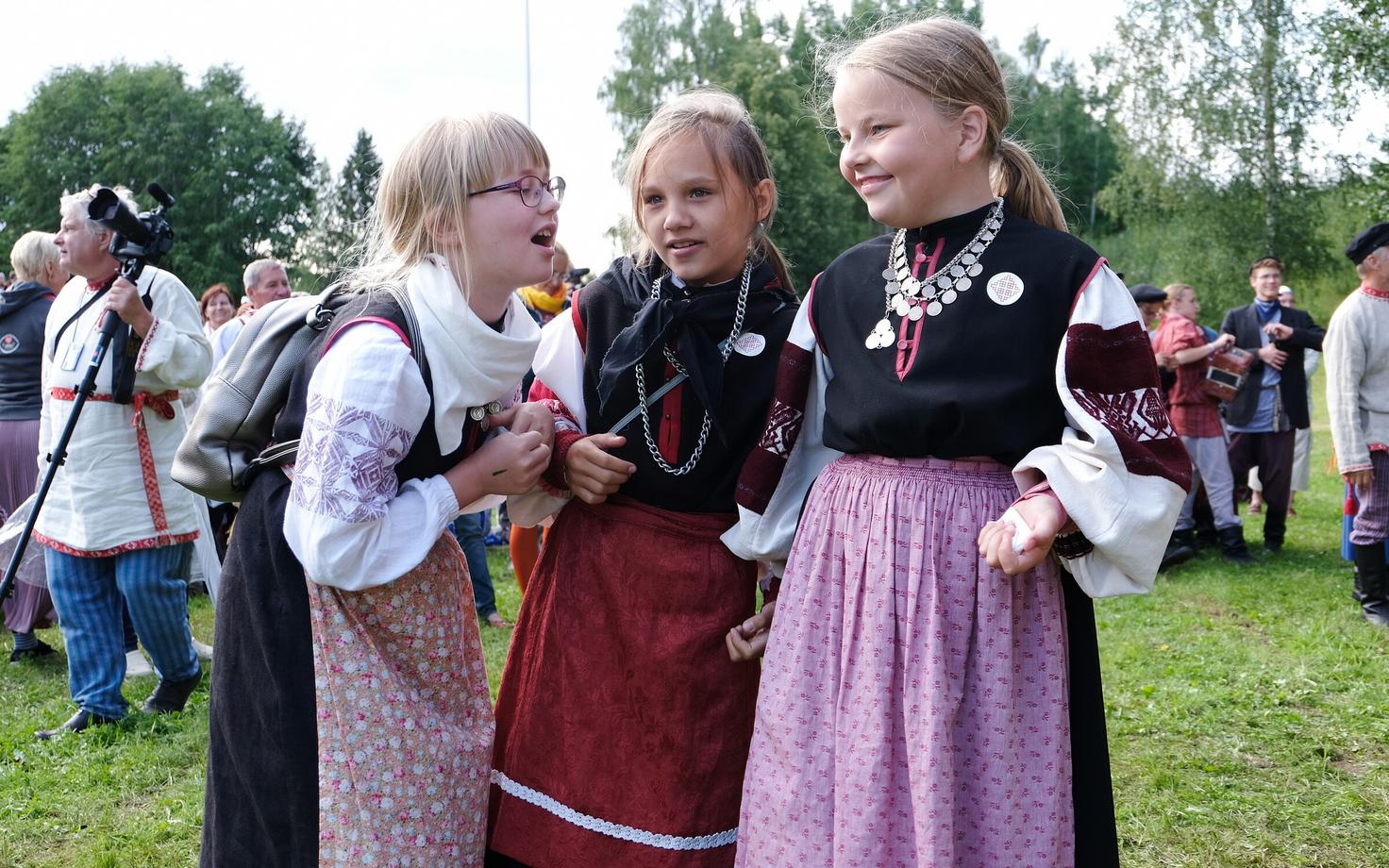
As the nationwide shift to Estonian-language education picks up, southeastern leaders and organizations have pledged to give Võro and Seto a bigger role, including in schools.
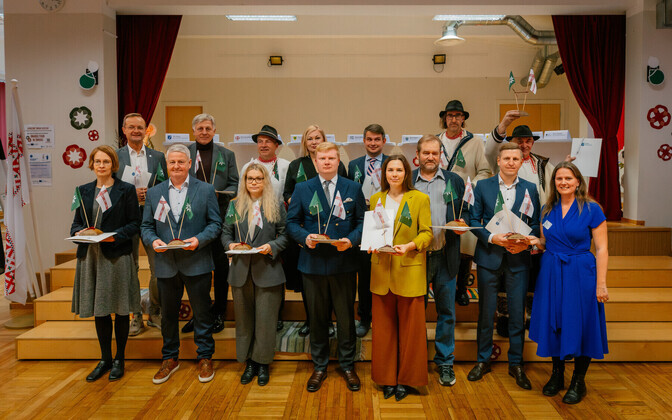
Late last month, 15 municipalities and organizations signed the joint Uma lepe agreement at a seminar at Võru Kreutzwald School. Among the signatories are nine municipalities in Võru, Põlva and Valga counties.
Võru County Development Center (VAK) board member Tiit Toots hailed it as a historic moment for the Vana-Võromaa and Setomaa regions, noting that the municipalities and organizations involved are committing to preserve the local Võro and Seto languages and cultures.
"To my knowledge, no such broad cooperation agreement has ever been signed by these parties before either," Toots continued. "Together we are making it clear that the Võro and Seto languages and cultures matter to us, and that we want to preserve them and pass them on to future generations."
Schools and kindergartens will be central to that effort, bringing Võro and Seto into everyday classrooms.
Põlva Mayor Maris Neeno said she was pleased to see so much of the region willing to stand and work together like this.
"The Võro and Seto languages are our home and our memory, so I'm glad every local government in Põlva County is joining the agreement too," Neeno said on their behalf.
15 full immersion kindergartens
The Uma lepe agreement sets a 2030 target for at least 20 percent of instruction in Võru County schools and 25 percent in kindergartens to be in Võro or Seto.
It also aims to increase the number of full immersion Seto- or Võro-language kindergarten classes to at least 15, expanding on the handful that already exist in Setomaa Municipality and Võru.
Municipalities in Põlva and Valga counties will expand local-language and cultural education as well.
Schools, kindergartens and teachers will receive training, mentoring and teaching materials in support of these efforts, while local governments, cultural institutions and language experts likewise strengthen their cooperation.
Local efforts backed by bigger institutes
The Uma lepe agreement was signed by the municipalities of Võru, Rõuge, Setomaa and Antsla and the city of Võru in Võru County; Kanepi, Räpina and Põlva in Põlva County; and Valga Municipality. Other signatories include the Võro Institute, Seto Institute, Võrumaa Development Center and Setomaa Union.
The Institute of the Estonian Language (EKI) and the University of Tartu's Institute of Estonian and General Linguistics joined as partners.
University institute director Ann Veismann said the university would continue researching both languages and supporting their use in their traditional regions, contributing to Estonia's linguistic diversity as a whole.
"Both Võro and Seto are taught at the university, and interest in them is high," Veismann said.
It's not just linguistics students taking these courses either. "Students in other majors are taking them as electives too," she added.
--
Editor: Aili Vahtla


