'World's only volunteer cyber reserve' drills Tallinn Airport defense
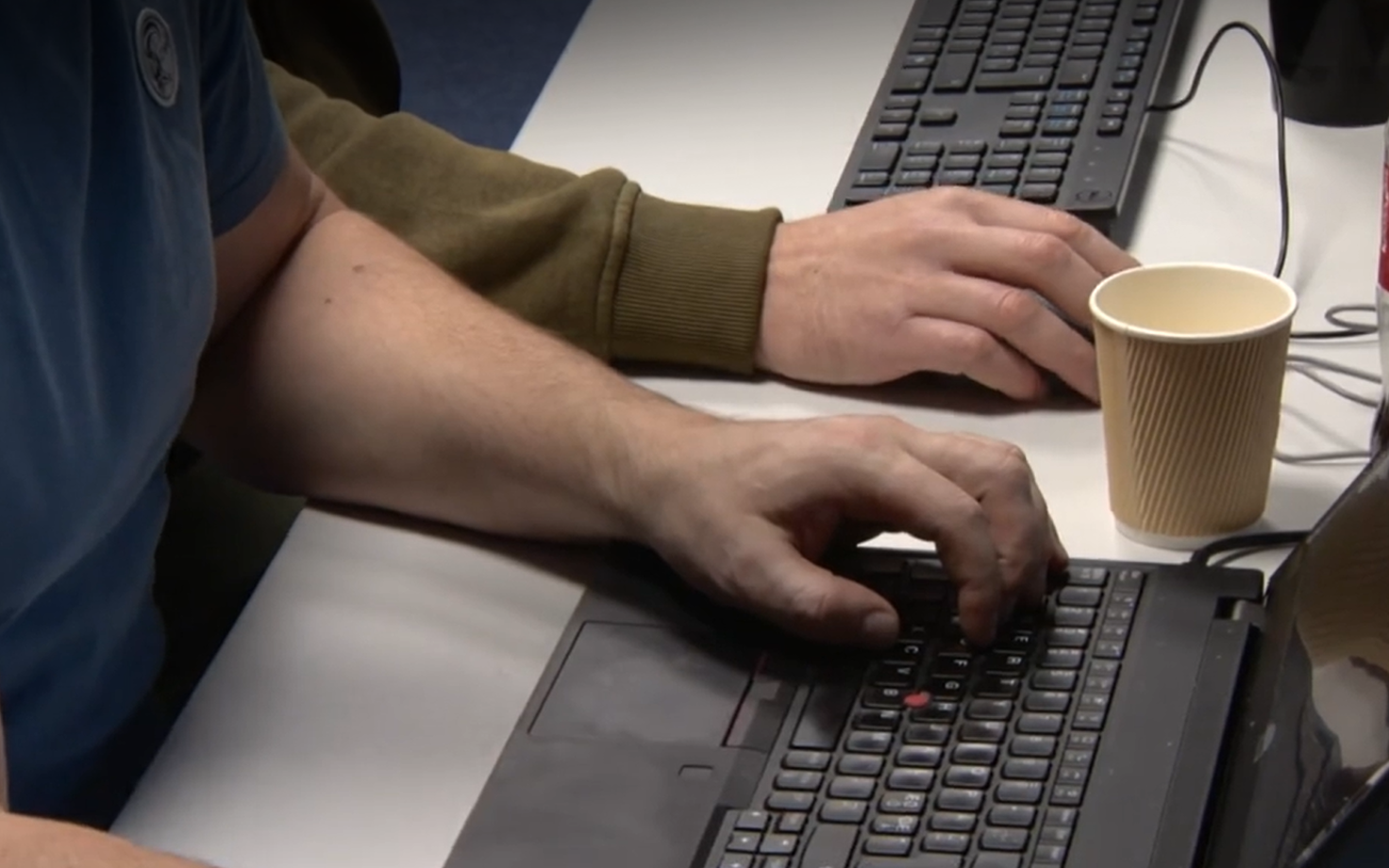
Volunteers have been rehearsing this week how to keep Tallinn Airport running during a large-scale cyber attack, with a scenario of check-in and baggage systems being down.
Volunteers have been rehearsing this week how to keep Tallinn Airport running during a large-scale cyber attack, with a scenario of check-in and baggage systems being down.
The volunteer IT specialists come from Estonia's cyber reserve, and this week's exercise is the fifth of its kind involving a critical infrastructure operator; it tested a situation in which hundreds of passengers are left without their baggage at a time when flights are delayed or canceled.
This was the fifth exercise for the state Information System Authority's (RIA) cyber reserve in cooperation with an Estonian critical infrastructure operator. No comparable network of volunteer IT specialists exists elsewhere in the world, "Aktuaalne kaamera" reported.
Members of RIA's cyber reserve worked through a set scenario: the passengers cannot check in, and the baggage system is not working. Whereas in real life, resolving an attack of this kind could take a week; in the exercise each team was given just one day.
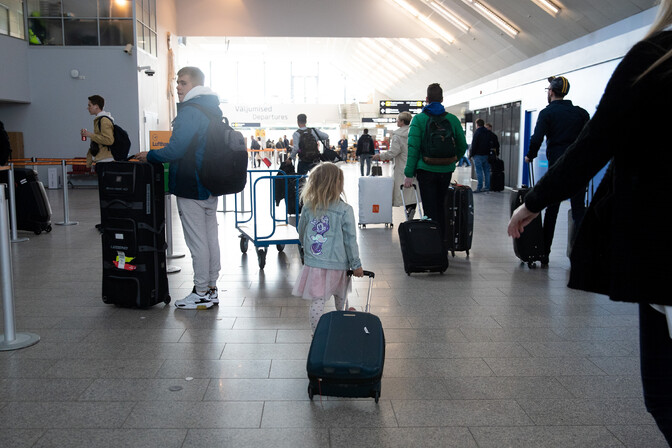
In the scenario: "Hundreds of air passengers are left essentially without luggage, luggage does not reach the plane, real people's lists do not reach the airlines, real people have to be checked by hand," said RIA chief expert Armani Pogosjan.
Pogosjan explained how flights are delayed or canceled and compensation claims follow, in the case. This need not be abstract either – an actual cyber attack affected passengers much closer to home as recently as this year. "A few months ago there was a very similar attack in our neighboring country Latvia. A few years ago there was an even bigger attack at Dublin Airport," he noted.
In any case, Estonian critical service providers face cyber attack attempts every day. Most are repelled, and incidents with impact are rare — though Selver's refrigeration systems hacked earlier this month is a high profile recent exception.
Riivo Tuvike, CEO of Tallinn Airport, said all major and well-known infrastructure companies are potential targets in the current security situation, meaning airports are no different.
"The growth began when Russia attacked Ukraine. Perhaps what has now happened with AI has simply increased the number of these attacks. Because it is easier and cheaper to do, there are also more of them."
Despite having just a day to resolve things, the exercise was judged to have been a success.
--
Follow ERR News on Facebook and Twitter and never miss an update!
Editor: Andrew Whyte, Johanna Alvin
Source: 'Aktuaalne kaamera'


