Attorney: Police should not be given right to confiscate scooters without court order
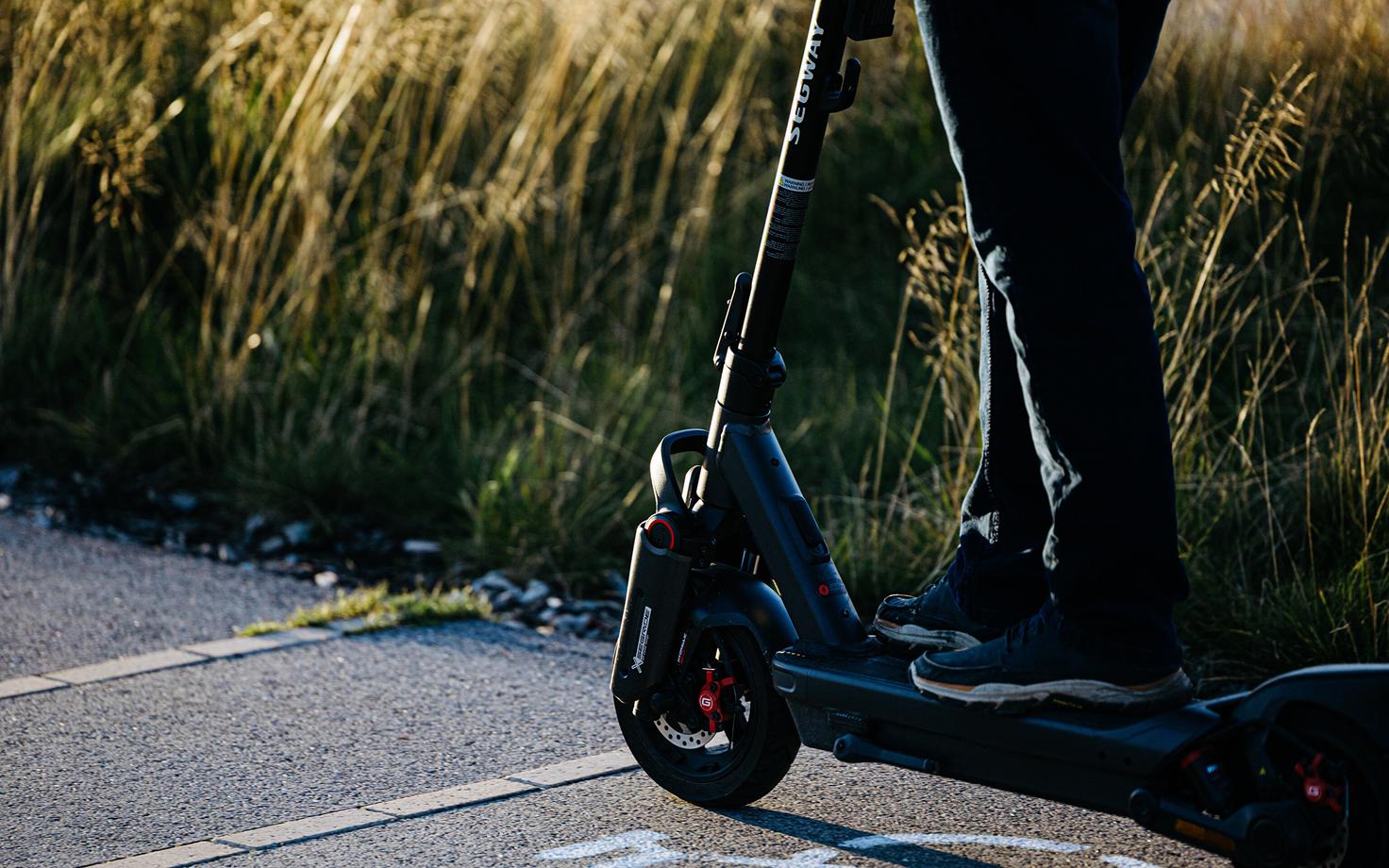
Police should not be allowed to confiscate noncompliant personal light electric vehicles without court approval, as doing so would seriously infringe on property rights, Sorainen attorney Marcus Niin told ERR.
ERR reported Monday that amendments to the Traffic Act awaiting their second reading in the Riigikogu would give police the authority to confiscate electric scooters that do not meet legal requirements without a court order. Currently, such personal light electric vehicles can only be confiscated with court approval, but so far, courts have not granted a single request.
Attorney at law Marcus Niin criticized the proposal, noting that one important principle that must be taken into account is the inviolability of private property.
"This is an important principle for us and it can only be restricted in circumstances expressly provided for by law and generally in exchange for compensation. In other words, our legal system does not allow property to simply be taken away without compensation," Niin said.
Another consideration is that confiscation constitutes a very serious infringement of property rights, he added.
"Confiscation means property is permanently taken away without any compensation. Under the current legal framework, the Penal Code provides that confiscation can be ordered by a court and that authority should remain with the courts. Otherwise, if we start giving the executive branch the power to decide at its own discretion whether to seize someone's property, it could lead to serious infringements of rights and considerable public resentment," Niin said.
"In the longer term, this could also set a dangerous precedent. If we make a concession here, where will the next situation arise in which someone decides that, for one reason or another, the authorities should be given the power to confiscate property?" he added.
Even if compensation were paid for confiscated property, the police should not be the ones making that decision. Instead, Niin argued, the decision about what to do with the property should remain with its owner, in keeping with property rights and legal principles.
According to Niin, this is a fundamental question of whether the executive branch should be given the authority to interfere significantly with an individual's property rights when that power currently rests solely with the courts.
The attorney added that if courts have so far refused to allow police to confiscate personal light electric vehicles that do not meet legal requirements, the solution cannot be to create a legal shortcut allowing police to confiscate property directly.
According to Niin, the proposal is not made any more acceptable by the fact that the bill would require police to assess the circumstances of each case and determine whether confiscation is necessary.
"It's understandable that they want to create a system that gives officers discretion, but this question should not be left to police officers in the first place. It is such a fundamental and important matter that the decision on whether to take away someone's property should remain with the courts," he said.
--
Editor: Marcus Turovski, Marko Tooming