PPA: Nothing extraordinary about right to confiscate electric scooters

Police should be allowed to confiscate electric scooters that are banned from public roads without court approval, as similar powers already exist for other prohibited items, a senior police official said.
Confiscating electric scooters that are banned from public roads is nothing unusual, as police and various government agencies already have the right to confiscate items whose possession or use is prohibited by law, Sirle Loigo, head of the Police and Border Guard Board's traffic enforcement unit, told ERR.
"For example, the Weapons Act allows us to confiscate bladed weapons and firearms that are prohibited for civilian use. But we're also talking about smuggled cigarettes, radar detectors and devices used to manipulate tachographs. We also confiscate illegal drugs. This [confiscation] power is nothing unusual, but it's important to understand that it applies to items whose use is illegal under Estonian law."
Loigo clarified that the proposal does not concern all electric scooters or small mopeds, but only vehicles whose use is prohibited.
"In other words, vehicles that do not qualify as either light electric vehicles or small mopeds based on their technical specifications. They do not meet the requirements and cannot be registered as mopeds or motorcycles because they do not meet the technical standards. These are vehicles that are prohibited from being used on public roads."
She explained that the ban applies to vehicles capable of reaching speeds of 85 kilometers per hour or more, for example. "At that point, we're no longer talking about a light electric vehicle. A light electric vehicle has a power output of one kilowatt, a manufacturer-specified maximum speed of 25 kilometers per hour, no seat and is designed to carry one person."
Loigo said there are many prohibited vehicles on the roads and that the legislative amendment is needed to curb their growing numbers.
"The biggest problem today is that a large number of minors are riding these prohibited vehicles. They have been involved in very serious traffic accidents, including fatal ones. To prevent this trend from growing, the state has taken the position that just as we do not allow firearms prohibited for civilian use, we should take the same approach to vehicles whose use is prohibited."
Asked why confiscation decisions should be made by the police rather than a judge, Loigo said there was no need to burden the court system with decisions concerning items whose possession or use is illegal in Estonia.
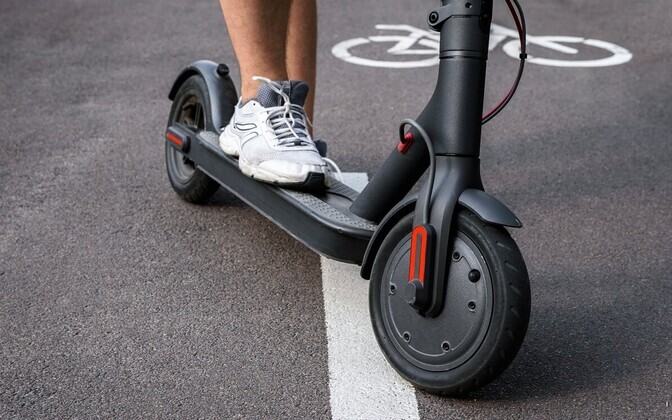
"Judicial discretion is needed in situations where confiscation is decided based on the individual or the offense they have committed. For example, when it comes to drunk drivers, courts can confiscate their vehicles today and will continue to do so in the future. But that is a matter of judicial discretion because the motor vehicle is registered and permitted on public roads. The judge must weigh whether or not to confiscate the vehicle used to commit the offense. And if it is confiscated, the purpose is to prevent that person from committing further offenses with that particular vehicle. But the expansion of confiscation powers currently being proposed concerns vehicles that are not permitted on public roads in the first place."
ERR reported Monday that a proposed amendment to the Traffic Act would give police the authority to confiscate electric scooters that do not meet legal requirements. Currently, such vehicles can only be confiscated with court approval, but courts have not granted a single confiscation request to date. Since the proposal became public, it has drawn criticism from lawyers as well as former Prosecutor General Andres Parmas. Parmas argued that such a significant infringement on property rights should remain a matter for the courts to decide.
--
Editor: Marcus Turovski, Urmet Kook