Hospital chief concerned about how to make treatment more accessible
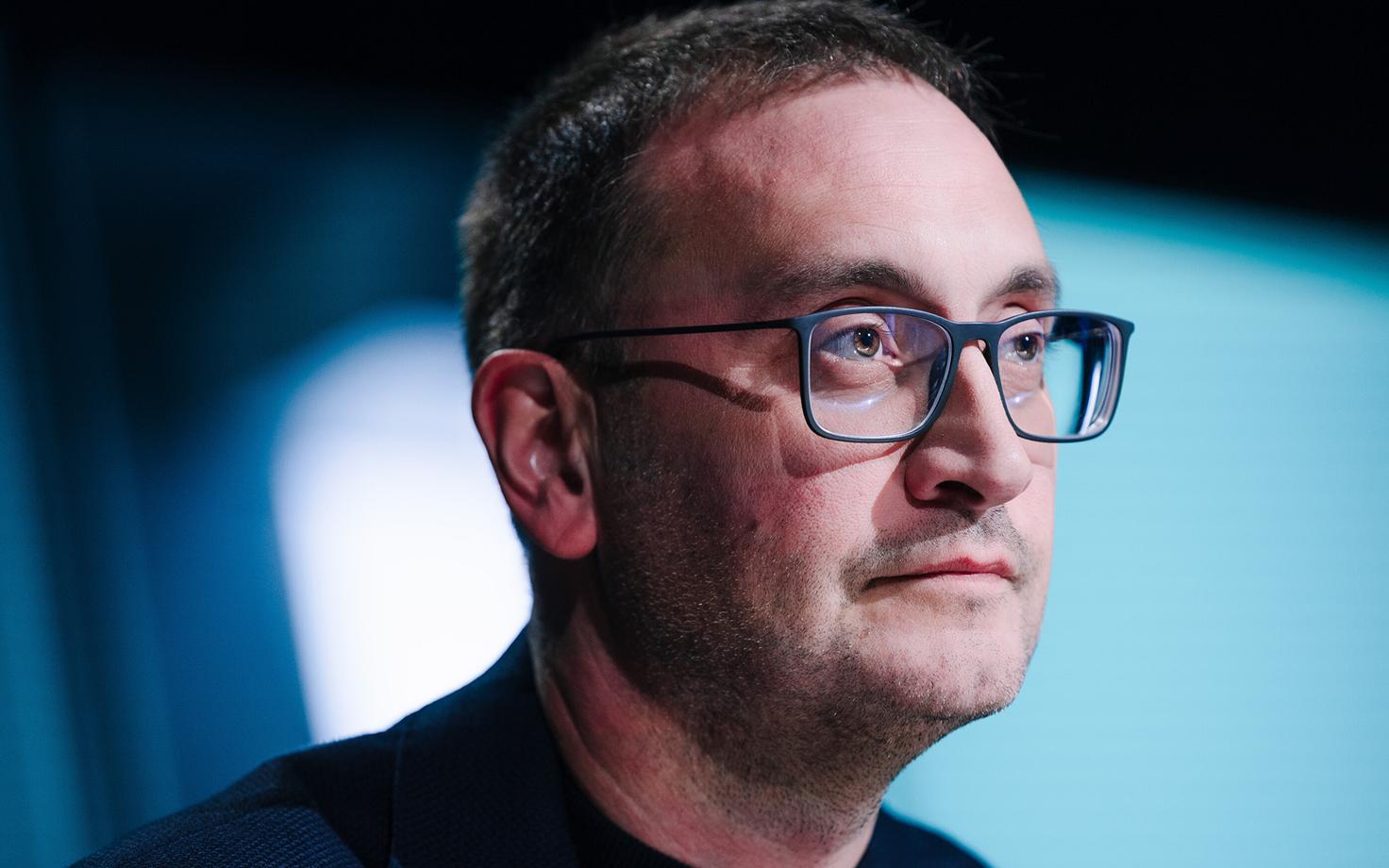
Nearly 10 percent of Estonia's healthcare needs — almost 300,000 cases of treatment — are unfunded, the new head of the country's largest hospital says.
Jarno Habicht of North Estonia Medical Center (PERH) says funding has risen sharply but goes on infrastructure, equipment and salaries, and that he looks at the access problem with concern.
The National Audit Office's latest report found Estonia still has major problems with access to healthcare and that waiting lists are longer than the rules allow.
"Indeed, the National Audit Office's latest annual report pointed out that we have nearly 10 percent of healthcare needs that are unfunded, which means almost 300,000 cases of treatment," Habicht said.
He said it matters who those people are, where they live and what services they need.
He acknowledged the investment made so far: "Infrastructure has been invested in over recent years, and I think that when we walk around hospitals in Europe and then return to Estonia, we can feel proud."
But treatment is also getting more expensive — energy and other input prices affect hospitals as they do everyone else, and medicine supply chains are another factor.

Despite healthcare funding rising by 70 percent since 2019, fewer appointments are taking place. "Some of [the funding] goes into technology as we want to provide modern treatment at all times." Another component is wages, in an effort to stem the flow of healthcare staff to higher-paying countries such as Finland and Norway.
Despite its situation, Ukraine, too, is boosting funding. "I looked at Ukraine's healthcare funding this morning, for example, and we talk so much about the need to invest in defense, but what Ukraine has done for next year - they are increasing their healthcare funding by over 17 percent next year. Maybe for the same reasons, investing more in salaries for doctors and nurses; in medicines to make them more accessible," Habicht added.
He also noted that efficiency and cost-cutting are not the same thing, and that efficiency sometimes means investing to improve quality of life.
The warning comes days after a National Audit Office analysis found nearly 110,700 people on waiting lists without a permanent family doctor, up from 72,500 four years ago. Retirements are set to outpace new entrants, and more than half of list-holding family doctors are now 60 or older. The same audit found Estonia's healthcare funding model unsustainable. Politicians agree existing money must be used better while disagreeing on whether more is needed. Social Affairs Minister Karmen Joller (Reform) says additional funding is necessary but "we need to look very carefully at ensuring that money reaches the patient." Riina Sikkut (SDE), a former social affairs minister, argues a political decision on raising tax revenue for health is unavoidable, with the over-75 share set to double. The audit also flagged how many reforms stall before implementation — integration of health and social care has been analysed for nearly 10 years, with rollout planned for next summer. Riina Solman of Isamaa called this "a nice idea but without the money to implement it."
--
Follow ERR News on Facebook and Twitter and never miss an update!
Editor: Andrew Whyte, Marko Tooming
Source: "Esimene stuudio", interviewer Johannes Tralla


