Parties differ on how to secure more money for health care
A recent audit by the National Audit Office found Estonia's health care funding model is unsustainable, prompting broad agreement among politicians that resources must be used more effectively, even as they disagree on whether additional funding is needed and how to secure it.
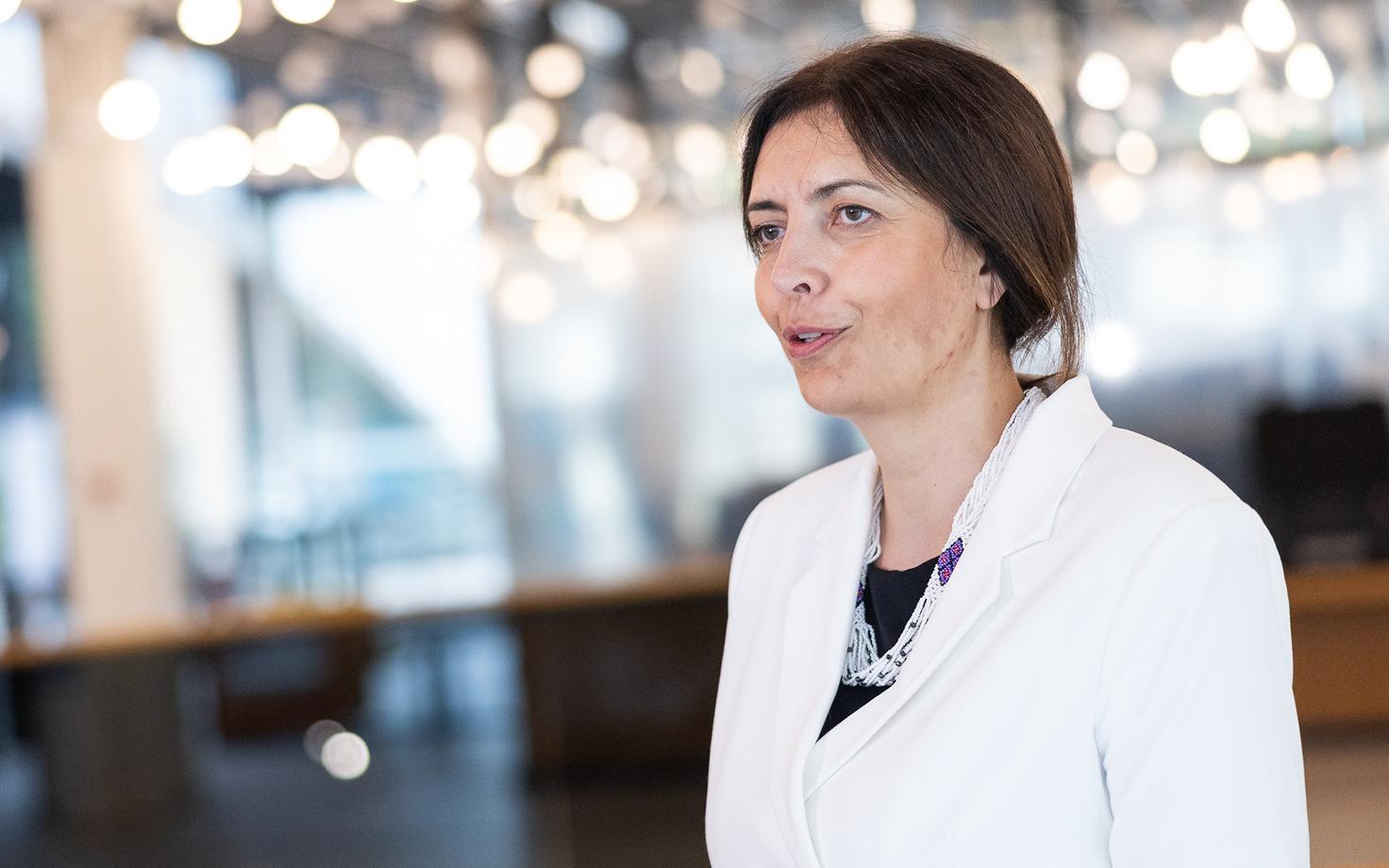
Before allocating more money to health care, the way existing resources are used must be changed, Minister of Social Affairs Karmen Joller (Reform Party) said. Drawing on her experience as a family physician, she sees how part of the budget is sometimes spent on the wrong processes, failing to direct patients to the care they actually need.
"Where the money goes definitely needs to be reviewed, and simply injecting more money into a system where the deficit keeps growing is certainly not a magic solution. Additional funding is needed, I agree with that, but we need to look very carefully at ensuring that money reaches the patient," Joller said.
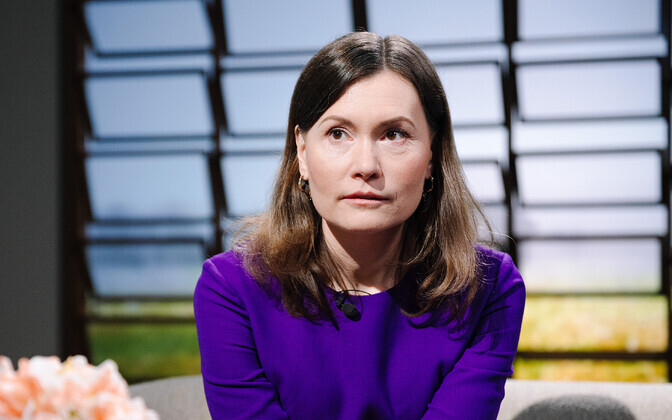
Former Health Minister Riina Sikkut (Social Democratic Party) said additional funding is essential and will require a political decision.
"I don't see how we can squeeze more out of the current system by saying there will be no additional funding and people should simply work more, better and faster, especially in a situation where the share of people aged 75 and over is set to double in our society. We will definitely need more resources to ensure they receive modern treatment. Finding money is a much easier problem than finding and training health care professionals. So a political decision is needed on how to gradually increase tax revenue directed to health care. One proposal is to do this for children, just as the state contributes to the Health Insurance Fund on behalf of non-working pensioners," Sikkut said.
Another option that could help direct funding more effectively would be to partially link financing to patient experience. The idea is supported by the Reform Party, the Social Democrats and Isamaa.
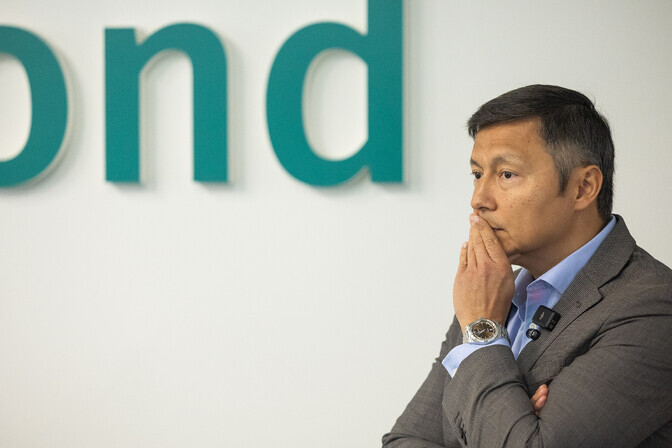
Center Party chairman Mihhail Kõlvart, however, does not consider the idea feasible.
"I don't think this idea is workable because every evaluation is subjective. Subjective evaluations create the risk of disputes, which in turn creates more tension and problems than solutions. What really needs to be reviewed is which areas are priorities and where resources need to be directed. We need to further develop health care information systems," Kõlvart said.
The National Audit Office's latest audit also pointed to the large number of reforms and development plans that often fail to make it into practice. For example, options for integrating the health care and social care systems have been analyzed for nearly 10 years, and implementation of the reform is planned to begin next summer. The Social Democrats and the Center Party see potential savings from the change, while Isamaa argues that a lack of funding will prevent it from succeeding.
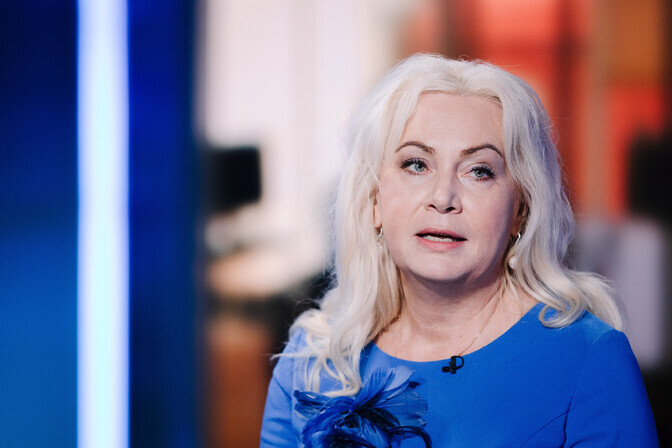
"In principle, it is right that we want to prevent problems, but once again it turns out to be a nice idea without money to implement it," said Isamaa Vice Chair Riina Solman. "This has become almost endemic in Estonia. We produce attractive projects for desk drawers, strategies for desk drawers, even building designs for desk drawers. We spend enormous effort, energy, vision and noble ideas on them, but they never become reality because we cannot afford to carry them out. The Health Insurance Fund's deficit, which is already a leaking bucket, will only grow larger if we do not review other spending lines, find savings there and organize services in a way that avoids duplication."
--
Editor: Aleksander Krjukov, Argo Ideon


