Estonia plans care coordinators to stop patients returning to hospital

Estonia will introduce care coordinators from May 2028 to help people with extensive care needs manage at home, after the Riigikogu social affairs committee discussed the reform.
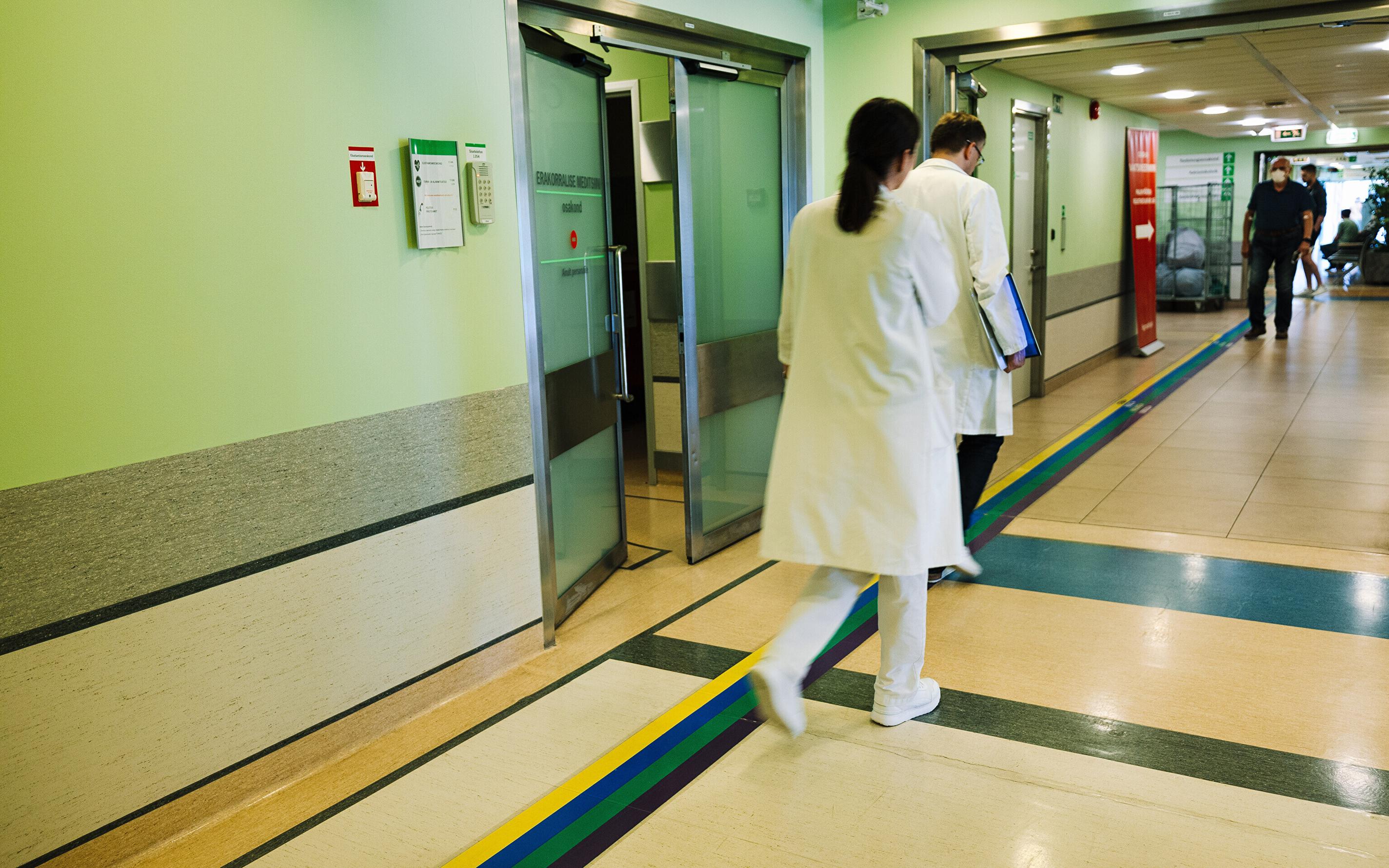
Ten coordinators already work in two hospitals and three family medicine centers in Ida-Viru County, funded by the EU's Just Transition Fund until 2027, with pilots in five counties.
Individuals will be entitled to refuse help from a care coordinator; success will be measured by fewer emergency visits and hospitalizations, proponents say.
Tarmo Tohver, board chair at Ida-Viru Central Hospital, told "Aktuaalne kaamera": "People who receive hospital treatment complete their treatment and then, a short time later, they are back in the emergency department."
Tohver said the coordinator's job is to find the services patients need so they do not end up in hospital as emergency cases.
In Ida-Viru County, the Just Transition Fund covers staff salaries and the software needed to access patient data until 2027, and Tohver hopes the Ministry of Social Affairs will have implemented the reform by then.
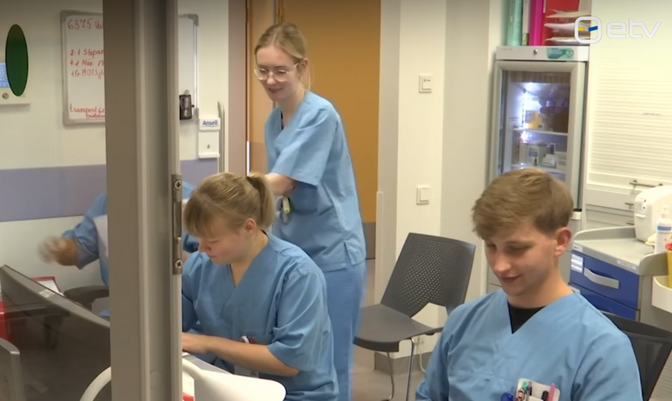
Eesti 200 MP Irja Lutsar, a member of the social affairs committee and virologist, said bringing health and social services together is realistic, but questioned the timetable. "If we are talking about the time frame, then perhaps the original time frame is not realistic, because several analyses are still underway," Lutsar said.
Lutsar said Monday's meeting revealed very different understandings across counties of what a care coordinator's job involves. The ministry confirmed the reform remains on schedule.
Coordinators will draw up a plan for each person setting out what treatment or social assistance they need.
Annika Lai, deputy secretary general for health at the Ministry of Social Affairs, said: "A very important part of this is also the person's own plan," which included not only what the individual plans to do to maintain and improve their health, but also their family members' input.
Lai cited Viljandi Hospital's PAIK project clinical study, which assigns a coordinator to high-risk patients, as evidence the approach works. PAIK found emergency hospitalization costs fell by 32 percent, Lai said.
Ongoing health reforms sit against a Health Insurance Fund forecasting nearly €2.7 billion in expenditure next year and aiming for balance by 2030, with the deficit falling from about €90 million to €44 million. The funding squeeze has already forced choices: Minister of Social Affairs Karmen Joller (Reform) dropped a plan for state payments covering children's healthcare rising to €109 million by 2032, leaving it to the next government. And a national healthcare quality system is still being planned, after a study found patients rate Estonian care at about six out of ten and only 200 of 1,600 providers have reported patient safety incidents.
--
Follow ERR News on Facebook and Twitter and never miss an update!
Editor: Andrew Whyte, : Johanna Alvin
Source: "Aktuaalne kaamera"