Kalev Stoicescu: Notes for the future defense minister
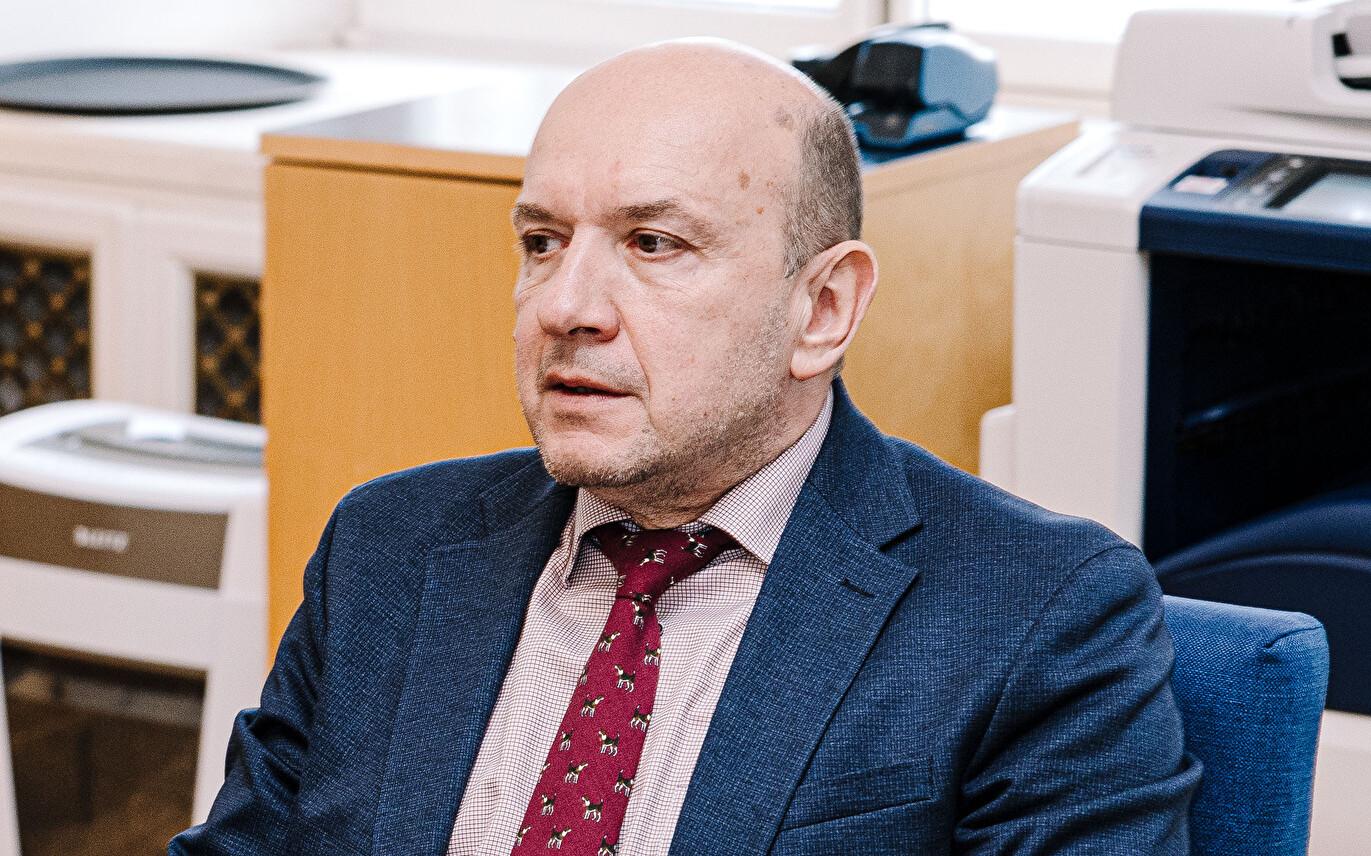
National defense is not above criticism, but given the geopolitical situation, political unity on strengthening national defense is absolutely essential, writes Kalev Stoicescu.
At long last, there has been a genuine recognition that the systemic shortcomings and problems in the defense sector, which the National Audit Office has pointed out year after year, are very serious. Recognition alone, however, is not enough unless there is a fundamental change in attitude. Without such a change, it will not be possible to successfully resolve either existing problems or those that may arise in the future.
The next defense minister must, of course, have experience in national defense, but must also be able and willing to strengthen civilian control. Without it, things cannot be put right.
The Riigikogu performs its oversight function most effectively through the National Defense Committee, which specializes in national defense issues. The State Budget Control Select Committee, chaired by (opposition Isamaa leader — ed.) Urmas Reinsalu, has taken the reins, but both this and numerous previous examples show that the committee is driven by a clear desire to put on a political show, which tends to create even more confusion and tension rather than resolve issues.
A change in attitude means having the desire and willingness to genuinely cooperate with the National Audit Office to resolve accounting-related problems. The Ministry of Defense must immediately draw up an appropriate plan setting out all the problems identified by the National Audit Office and how they will be resolved. It must also include specific deadlines. There is no point in drawing up a plan without deadlines because that would render the promises made meaningless.
The Ministry of Defense, the agencies under its administration and the National Audit Office must report regularly to the Riigikogu National Defense Committee, for example every three months. This reporting must, of course, cover implementation of the plan until it has been completed. The next defense minister must be able to get this entire process, for which the minister is responsible, underway before the Riigikogu elections.
A calm working environment must be restored. Military personnel do not interfere in politics, just as politicians must not interfere in the Defense Forces' day-to-day military activities. The Ministry of Defense, the Defense Forces, the Estonian Center for Defense Investments (RKIK) and the National Audit Office must work together professionally and in good faith to eliminate shortcomings of every kind, rather than sweep them under the rug. We are not talking about the interests of government agencies or political parties, but about the vital interests of the country.
The most precious things that must be preserved are faith in our country and its national defense, as well as the will to defend it. These are more valuable than all the artillery shells and drones in the world.
Everyone within the Ministry of Defense's area of administration must understand that (military) national defense does not consist solely of Defense Forces and Defense League units, weapons and ammunition, other military equipment and supplies and military infrastructure — all of which enjoy a high level of satisfaction and trust — but also, in a broader sense, accounting, including procurement, transactions, (advance) payments, asset accounting and much more. This other side must be in impeccable order as well, just like the first.
Professional military personnel obviously do not need to be accountants, but professional accountants, warehouse managers, accounting staff and others must perform their jobs properly and in accordance with the rules and regulations that apply throughout the country. No exceptions have been made for anyone.
Day-to-day politics and political infighting must not be allowed to intrude into national defense from every direction, particularly during an election campaign. The national defense sector is not taboo or above criticism, but given the geopolitical situation, political unity in strengthening national defense — and not merely on spending 5 percent of GDP — is absolutely essential. Constructive, substantive criticism aimed at solving problems, on the other hand, must be accepted.
--
Editor: Marcus Turovski



