Estonia's state budget talks enter final stretch as deficit target looms
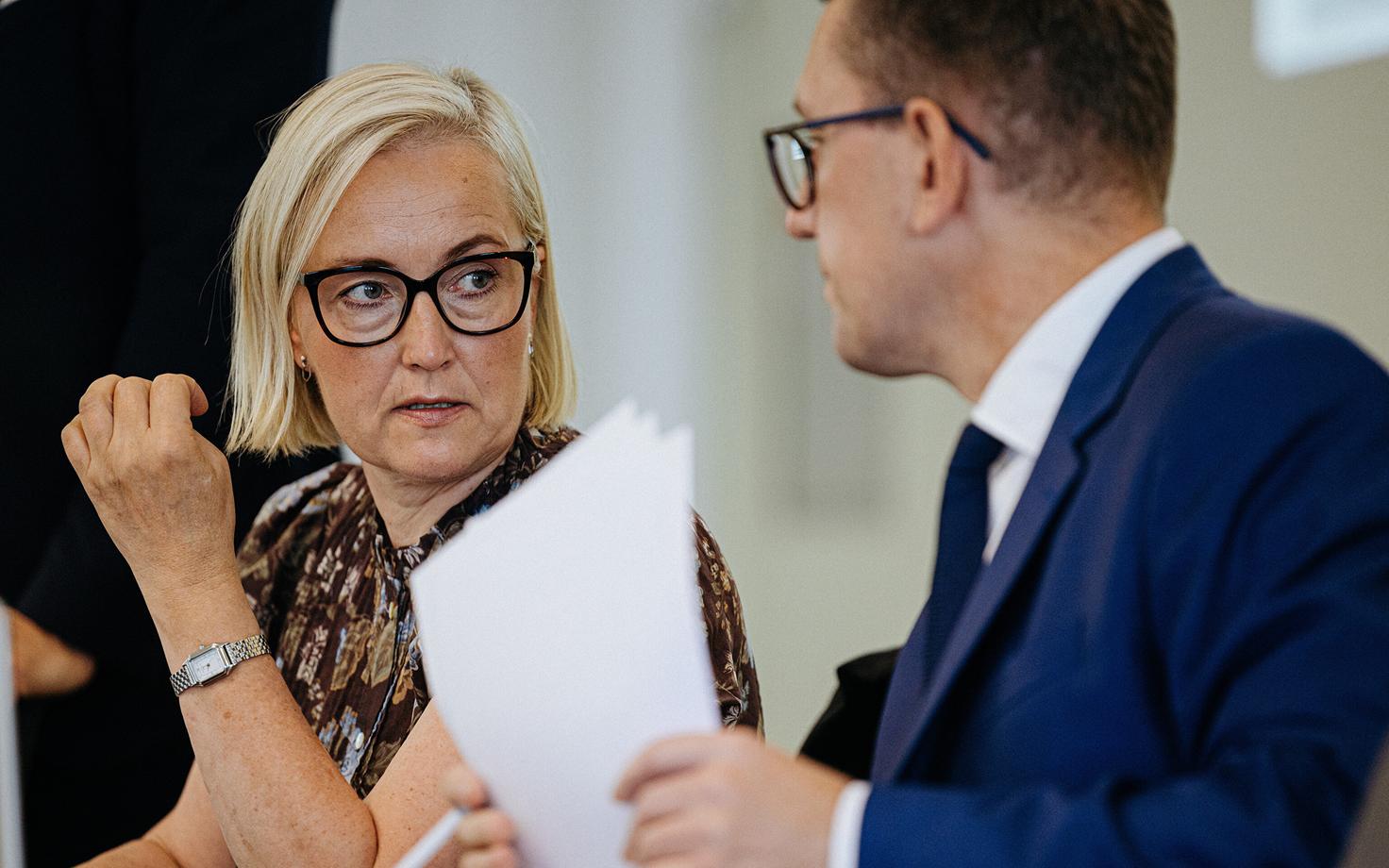
Estonia's government is aiming to wrap up 2027 state budget talks next week, with ministers weighing spending needs against a target to cut the budget deficit to 4 percent.
Prime Minister Kristen Michal (Reform) said Thursday that this year's budget process has been made especially tough by competing demands for funding.
"Budgeting is always a matter of wants and possibilities, and the two rarely line up," Michal said, adding that while drawing up the state budget is never easy, some years are still much harder than others.
"And this year is proving to be particularly difficult," he admitted.
The prime minister said the government is now close to reaching an agreement and expects to finalize the budget by next Thursday, when Finance Minister Jürgen Ligi (Reform) returns from Dublin.
A key issue in the talks this year has been the deficit. The Finance Ministry's initial forecast put next year's deficit at 4.9 percent of GDP, later improving to 4.4 percent; the government is now aiming to bring it down to 4 percent.
"I think we're getting pretty close to reaching that," Michal said.
'Keep your expectations low'
Minister of Education and Research Kristina Kallas (Eesti 200) said budget talks remain tense because expectations for higher wages and benefits are high across the board.
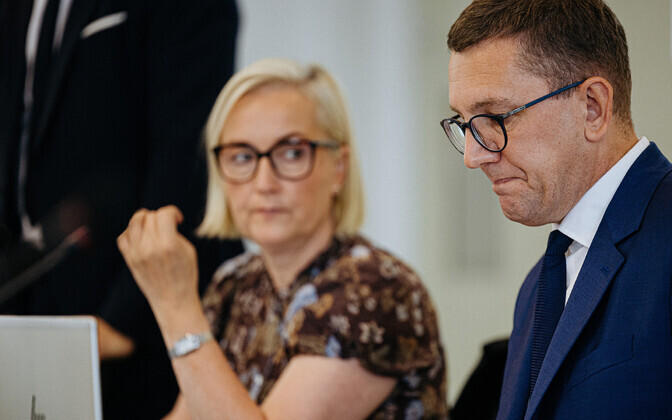
At the same time, she continued, Fiscal Council and Bank of Estonia economists have warned that the rate at which Estonia's debt is growing is unsustainable. The government therefore has to balance keeping society running with making sure the country doesn't spiral deeper into debt.
"This task is more difficult than it has been in previous years," Kallas said.
The minister said the government has set a goal of curbing the projected growth in debt while ensuring essential services continue. Given those constraints, she urged people not to expect major increases in wages or benefits.
"We can't let society and other spheres grind to a halt — children still have to get to school," Kallas said. "We can't allow the war to leave entire generations without an education, so I would keep expectations for wage and benefit hikes in this budget low."
She reiterated that budget talks are still ongoing, with an agreement expected next week.
'There are a lot of things we want'
Speaking to ERR Thursday, Culture Minister Heidy Purga (Reform) likewise admitted that budget talks remain difficult, with the culture sector facing many competing needs.
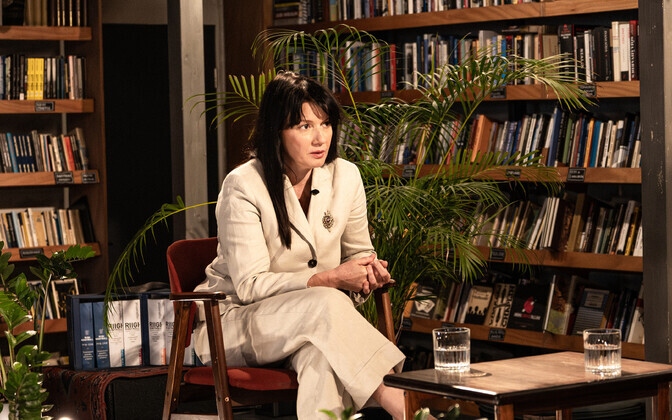
"There are a lot of things we want, and the situation in culture is tense," Purga said, adding that children and young people are among the priorities in ongoing budget negotiations — not just in culture, but for Estonia as a whole.
When asked to elaborate, she said she couldn't yet provide details, but indicated that the issue would become clearer once budget talks are concluded next week.
Purga also said the ministry has been pushing for its priorities and needs in the negotiations, calling such disputes a natural part of the budget process, but declined to indicate whether there is any chance cultural workers' minimum salary could go up.
One issue already potentially settled is a proposed €92.2 million in EU funding for culture, sports and integration, however Purga stressed that that money has not yet been secured.
She explained that the government has agreed on the priorities and amounts Estonia plans to seek from EU funds, with applications expected to be confirmed by the end of the year.
"It is first and foremost a proposal," the culture minister stressed. "We don't have that money yet."
--
Editor: Johanna Alvin, Aili Vahtla




