PM: Estonia ready to immediately close border in case of Russian mobilization
Estonia is preparing for possible security risks if Russia declares a general mobilization, with Prime Minister Kristen Michal saying the country could close its border immediately if the threat assessment warrants it.
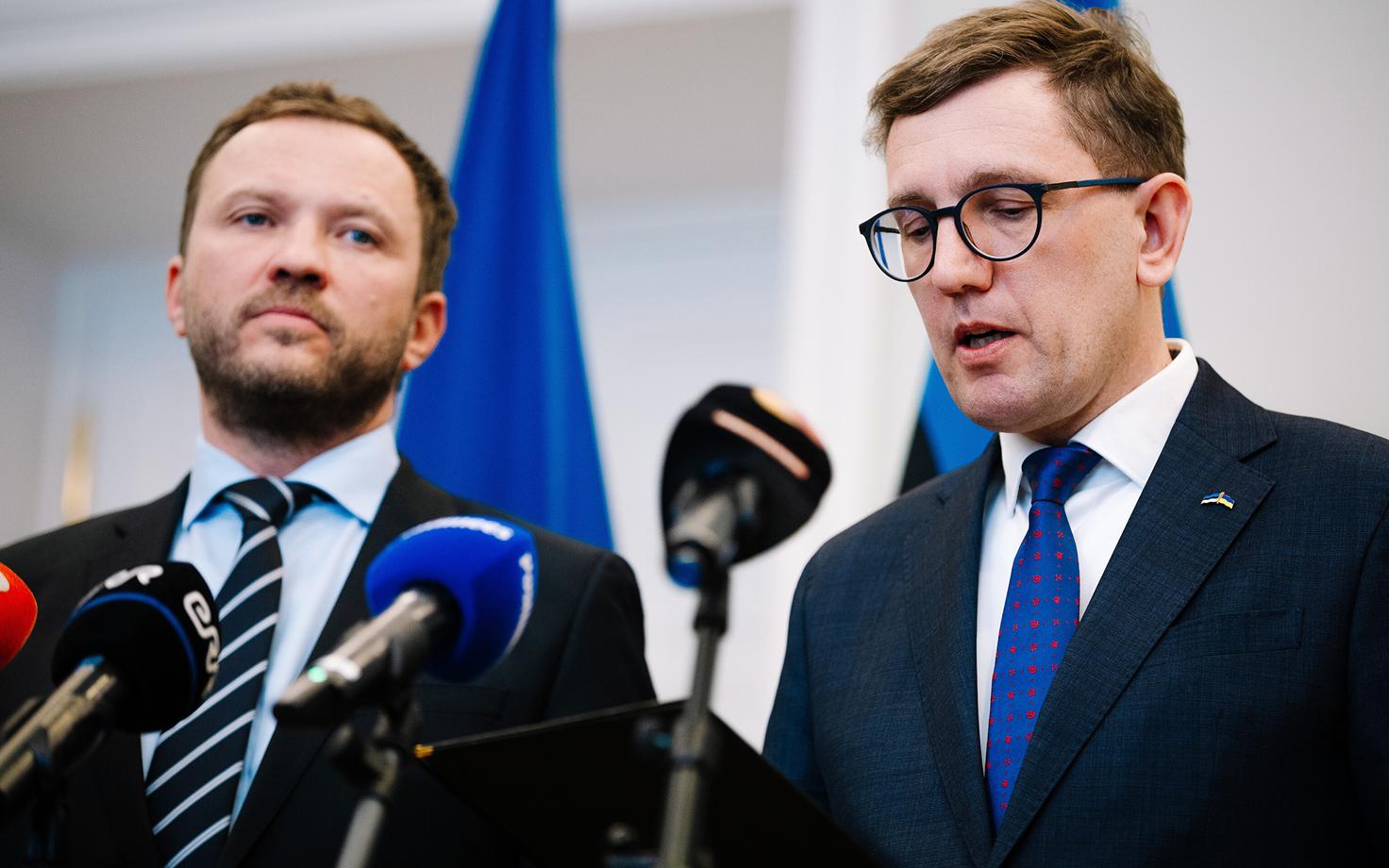
Foreign Minister Margus Tsahkna said Thursday that Estonia is preparing for various scenarios if Russia declares a general mobilization, after a file titled "Cabinet memo: Russian Federation mobilization" appeared in the government's document register.
Tsahkna said the security cabinet regularly discusses potential Russian actions and how Estonia should respond, adding that a general mobilization would significantly increase domestic tensions in Russia.
Prime Minister Kristen Michal stressed at the press conference that it is important to have regular updates on the security situation.
"There is nothing mysterious or extraordinary about this. It is no news to anyone that things are going very badly in Russia. There isn't a single healthy part of their economy and 30,000 to 40,000 men are killed or wounded every month. At some point, they will have to take steps to keep the war going and NATO and European Union countries need to be prepared for those steps and communicate accordingly. That is what we discussed. Dealing with the details and specific measures is the job of the relevant agencies and these will also be presented to the public at the appropriate time," Michal said.
If Russia were to announce a general mobilization, the border could be closed immediately, Michal confirmed.
"Different steps will be taken depending on the threat assessment. The border can also be closed immediately, as we have done on occasion when there have been troublemakers at border crossing points. The Police and Border Guard Board (PPA) and the interior minister are aware of this and we have the capability to close border crossing points very quickly. Since mobilization could change the threat assessment, we will take appropriate steps depending on whether it happens and what form it takes. When it comes to measures concerning the border, the principle of reciprocity always applies," the prime minister said, adding that border crossing point opening hours have already been reduced and full customs checks introduced.
Tsahkna said everyone in Europe needs to monitor rising internal tensions in Russia.
"Everyone understands that if, for example, blanket compulsory mobilization is announced for a certain age group, it will significantly increase internal tensions in Russia. This is part of our routine work — we need to anticipate different decisions, assess the threat picture and be prepared. As the prime minister said, for example, closing the border is a decision the government can make very quickly, depending on the threat assessment," Tsahkna said.
The foreign minister said the threat of mobilization is in fact a much broader concern and does not affect Estonia alone.
"Frankly, I think Estonia is much better prepared for potential threats or tensions than the rest of Europe. What we have discussed — and what Estonia is also doing across Europe within the Nordic-Baltic framework — is the fact that last year the Schengen Area issued 650,000 visas to Russian citizens who came here. That pressure could certainly increase. We don't have a problem with this in Estonia because we don't let these people in anyway, but we need to recognize the situation and educate our European partners about the threat that rising internal tensions in Russia pose to European security," Tsahkna said.
Estonia has taken the lead on visa-related issues across Europe. For example, a visa ban on combatants has become part of sanctions decisions at both the European Commission and member-state levels.
"But this practice of continuing to issue visas is completely incomprehensible to us. People in Estonia would find it hard to imagine, but some countries continue to hand out these visas and that pressure will certainly increase. We don't know who these people are who are coming into Europe more broadly," Tsahkna stressed.
The foreign minister added that there are also legal aspects related to visas and that Russian citizens living in Estonia or elsewhere in Europe need to understand that, legally, a mobilization order also applies to them or their children.
"A person in Russia might think that mobilization is coming, so they'll flee to Europe and say that this gives them grounds for international protection. It does not," Tsahkna said.
--
Editor: Johanna Alvin, Marcus Turovski