Estonian PM: Herem knows where he has more work to do as defense minister
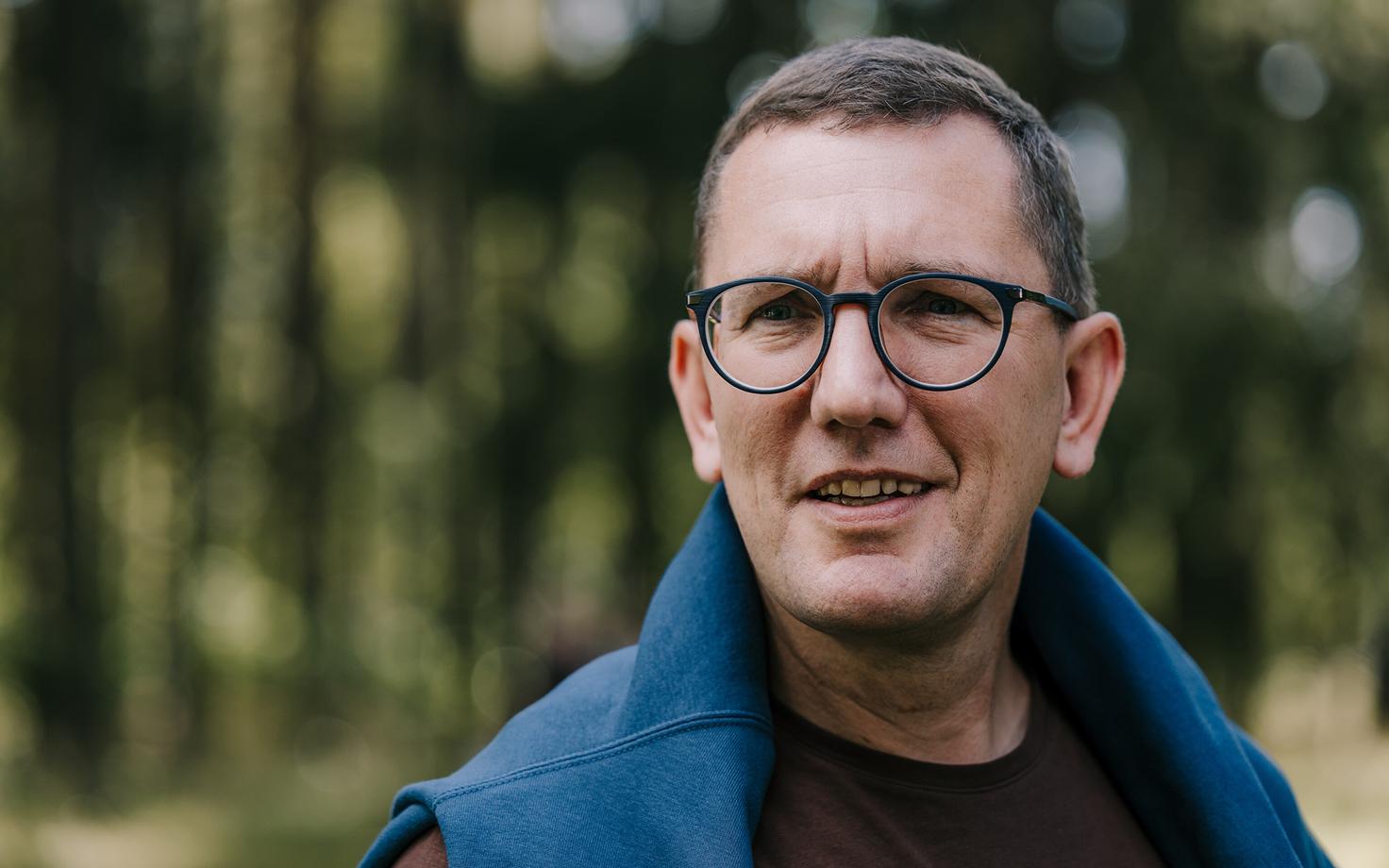
Amid critics' concerns about the appointment, Prime Minister Kristen Michal (Reform) says Herem knows where he still has work to do as Estonia's next defense minister.
Quite a few former generals have said Martin Herem becoming defense minister concerns them, citing for one thing that he's coming from the defense industry and still has continued close ties to it, creating a clear risk of conflict of roles. How much of a risk do you see here, and how do you plan to prevent it?
Avoiding a potential conflict of interests or roles here is quite simple: all financial interests must be left at the Defense Ministry door when you walk in. In a small country, I think it's reasonable to work closely with defense industry companies at this level, as long as all those interactions are properly documented and added to the lobbying register.
The government has also sought to maintain close ties with the Estonian Defense and Aerospace Industry Association (EKTL) to help the defense industry grow. There can be both advantages and disadvantages to that, but when it comes to a minister, of course I expect their financial interests to stay at the door. Martin Herem has also said they will.
How can you ensure that?
We have several mechanisms for that. There are formal procedures for checking how those interests have been relinquished, and we also have law enforcement agencies that have been very thorough in handling these matters.
With the Estonian Defense Forces' (EDF) stockpile problems being one issue raised in the National Audit Office's report, another criticism is that the new defense minister was himself involved in those problems and is now expected to fix them. How do you envision someone who was part of that situation now being able to fix it?
I think it's important for people to distinguish between two problems identified in the NAO report.
One concerns the five percent GDP we spend on defense — specifically, how the EDF's assets and stockpiles have been managed. Martin Herem has said both on Estonian Public Broadcasting and elsewhere that he tried to put things in order, and he succeeded in some areas, but not in all. That needs to be fixed, and Martin Herem, [EDF Commander Lt. Gen.] Andrus Merilo and everyone else all agree on that.
The second issue concerns procurements at the Estonian Center for Defense Investments, or ECDI. These are the ammunition procurements made for Ukraine with European funding, and [ECDI director general] Elmar Vaher is currently working to put that area in order.
Both areas need to be put in order. Herem knows where he succeeded and where he still has more work to do. An outside partner should definitely be brought in too.
The government's decisions made two things clear: first, those in charge must clearly be held accountable, and second, an outside partner needs to be brought in to restore public trust in the sector.
Another point of criticism is that things are being done too hastily. In other words, we've ended up with these current procurement issues because things have been rushed. Meanwhile, Martin Herem has once again been talking about the need to "hurry, hurry, hurry," and there has also been talk of intelligence being politicized somehow. How can that be avoided?
No one can change the fact that things are urgent, of course. Even our opponents all say that when it comes to defense procurements and operations, what Ukraine has needed has had to be procured in a race against time and Russia.
The same older ammunition was procured that Ukraine has been using to defend itself against Russia. It hasn't been easy, and as we've seen, there have also been fraudsters or at least substandard goods involved.
Of course the background checks need to be better, and that's ultimately still the job of the people involved in procurement or working at the procurement agency. That is not the role of the minister as a politician.
And yet, a minister resigned over this.
As I've said, [outgoing Defense Minister Hanno Pevkur (Reform)] certainly wasn't personally at fault, but he took political responsibility for it. The permanent secretary was responsible for the management, which is pretty logical.
One condition Martin Herem has allegedly asked for is that he be able to make decisions as quickly as possible. There has been talk of laws and various mechanisms. How could that work when it's largely the Riigikogu, not a single minister, that handles legislation?
I think you've clearly understood the current legal framework correctly, and as an MP, I can confirm that is indeed how it works.
What Herem asked for — and what we are definitely aligned on — is that defense spending stay at 5 percent and not be allowed to fall below that. That's been my initiative as well. It's an initiative of the government coalition, and given the threat posed by Russia, I think it's only right. That's the first thing.
The second thing he asked for was political support for reforms, so that things could be put right exactly as the NAO has called for. He also asked that any changes needed to improve the effectiveness of national defense be made. I think that is perfectly natural.
But legislation is a public process: if the government submits something, it then goes to parliament, where it is debated before parliament makes a decision about it.
He isn't joining the Reform Party, though. You're implementing the government's policy and he'll be a member of the government, yet in a sense, he won't be, because he isn't a party member.
His message was that in becoming defense minister, he didn't want joining a political party to be a requirement, and I accepted that. Where he chooses to join in the future is up to him. He's very clearly stated that he hasn't ruled out joining a party or running in elections. That is his decision, and I respect it.
Whose policy will he be pursuing, then? Martin Herem's policy, Reform Party policy or the government's policy?
The government is a collegial body and pursues a single policy — the policy of the Government of the Republic. Any proposals submitted to parliament are decided collectively by the government.
There has also been speculation about whether people like Veiko-Vello Palm and Kusti Salm will take up posts at the Defense Ministry. Has Martin Herem given you any indication of what his team will look like and who will be on it?
He has said he doesn't think it's likely either of the two aforementioned people will be joining the Defense Ministry — or, to put it more directly, that they won't.
As for the rest, he'll certainly need to find himself a good permanent secretary and a solid team. I'll definitely help as much as I can, but that team will ultimately have to come to the Defense Ministry.
What do you make of the Social Democrats (SDE) and other parties saying the way Kaimo Kuusk was dismissed was unlawful?
There is no other way to remove a permanent secretary from office. The same legal basis has been used for the secretaries general of the Ministry of Agriculture and Ministry of Justice. It is the only legal basis for the government to dismiss a permanent secretary: a failure of cooperation.
That was the basis for his dismissal, and it wouldn't have made much difference who the next defense minister would be. Both government coalition parties had already included accountability for those in charge among the relevant points of their decisions last week.
We discussed it within the cabinet and said we wanted to see what accountability there would be for those in charge. The outcome would have been the same regardless of who became minister.
--
Editor: Johanna Alvin, Aili Vahtla


